

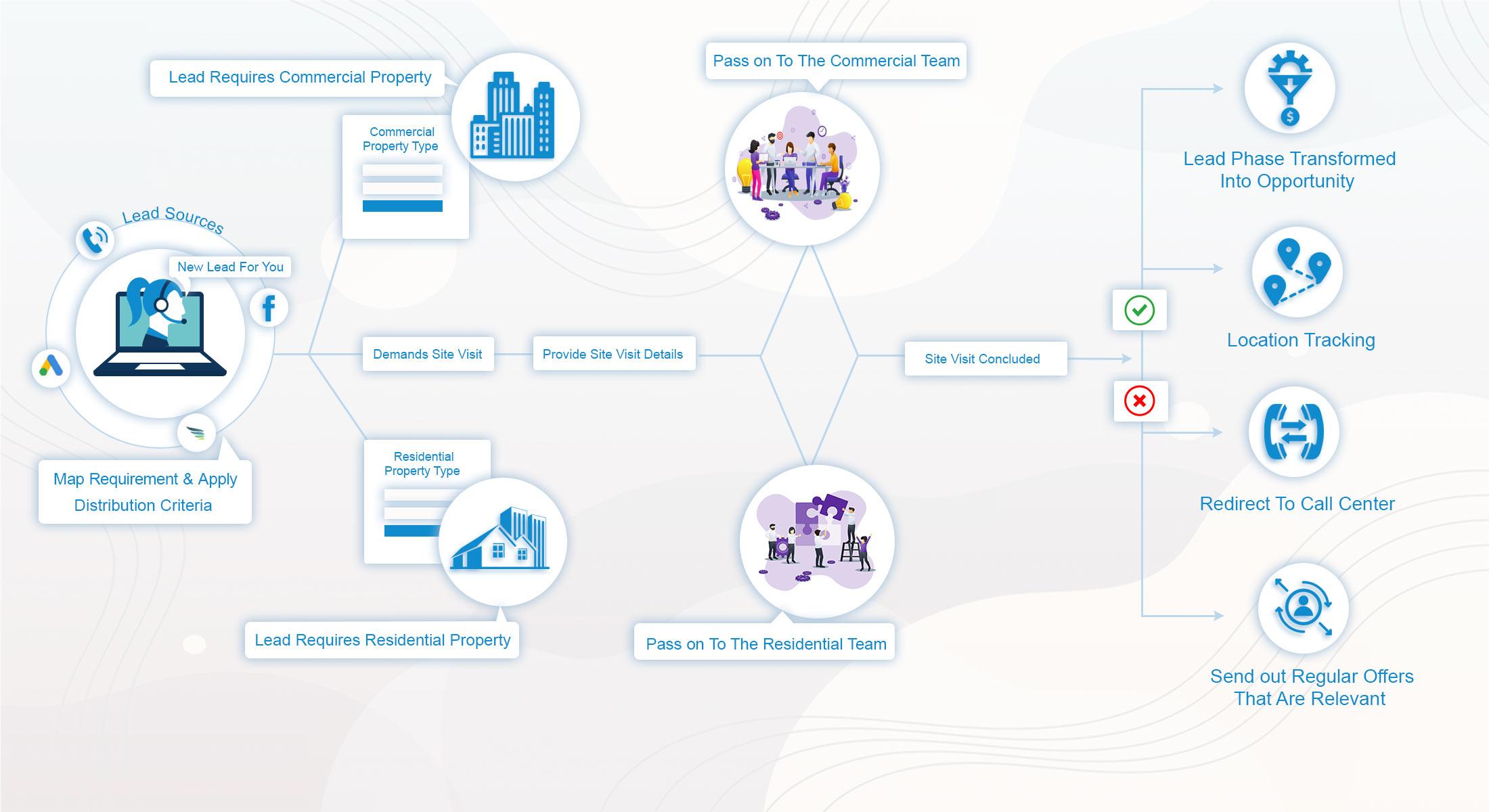
In the rapidly evolving landscape of the real estate industry, the integration of artificial intelligence (AI) and automation technologies is redefining traditional practices and reshaping the very essence of property transactions. As businesses strive to enhance efficiency, improve customer experiences, and adapt to an increasingly competitive market, the adoption of these advanced tools is no longer a luxury but a necessity. This article explores the transformative impact of AI and automation on the real estate sector, highlighting key innovations, emerging trends, and the strategic implications for industry stakeholders. From streamlining operations to providing data-driven insights, we will delve into how these technologies are not only optimizing workflows but also paving the way for a more agile and responsive real estate market. As we navigate this new frontier, understanding the role of AI and automation becomes crucial for professionals seeking to stay ahead in an era defined by technological advancement and shifting consumer expectations.
Table of Contents
- Emerging Technologies Revolutionizing Property Management
- Enhancing Customer Experience Through AI-Driven insights
- Streamlining Transactions with Automation and Smart Contracts
- Future-Proofing Real Estate Investments with Predictive Analytics
- In Summary
Emerging Technologies Revolutionizing Property Management
in recent years, the adoption of AI and automation has revolutionized property management, streamlining operations and enhancing tenant experiences. Smart property management systems are now leveraging machine learning algorithms to predict maintenance needs before they escalate into costly repairs.By analyzing data patterns, property managers can identify maintenance trends and allocate resources more effectively, reducing operational costs and increasing tenant satisfaction. Additionally, AI-driven chatbots are enabling 24/7 tenant support, resolving common inquiries instantly, and freeing up human staff to focus on more complex issues.
Moreover, automation tools are transforming traditional leasing processes. Digital platforms allow prospective tenants to schedule viewings, complete applications, and sign leases online without the need for face-to-face interactions. This not only expedites the leasing process but also collects valuable data that can be used to tailor marketing strategies effectively. Property managers can benefit from the seamless integration of these technologies to gather insights on tenant behaviour, allowing for better decision-making that fosters a more responsive and tenant-centric approach to property management.
Enhancing Customer Experience Through AI-Driven Insights
In the ever-evolving landscape of real estate, understanding customer behavior and preferences has become paramount. By leveraging artificial intelligence, businesses can gain deep insights into customer needs, enabling them to tailor experiences that resonate on a personal level. AI algorithms analyze vast datasets—from browsing history to social media interactions—helping agents predict what properties will capture a client’s interest. With this facts, companies can proactively provide personalized recommendations and relevant content, ensuring potential buyers and renters feel understood and valued.
additionally, utilizing AI-driven chatbots enhances customer engagement by offering instant support and information, fostering a sense of reliability and efficiency. These digital assistants are available 24/7, capable of answering inquiries related to property listings, scheduling viewings, or even providing market analysis. This level of accessibility can significantly improve customer satisfaction and retention. Furthermore, through predictive analytics, real estate companies can identify trends and patterns that inform strategic decisions, such as which neighborhoods to target for new developments or where to allocate marketing resources effectively.
Streamlining Transactions with Automation and Smart Contracts
The advent of automation and smart contracts is revolutionizing the real estate sector, enabling faster, more efficient transactions while reducing operational costs. By utilizing blockchain technology, key processes can be simplified, allowing for secure and obvious interactions between parties. An automated transaction system minimizes the potential for human error and fraud, ensuring that each step in the buying or selling process is executed flawlessly. This instant delivery mechanism serves not only to speed up transactions but also enhances buyer confidence through the robust security features inherent in smart contracts.
Implementing these technologies brings several benefits to stakeholders in the real estate industry, such as:
- Enhanced Transparency: Every transaction is recorded on the blockchain, providing a complete audit trail.
- Cost Efficiency: Reduced need for intermediaries translates to lower fees and faster processing times.
- Improved Accessibility: Anyone with internet access can participate in property transactions, breaking down geographic barriers.
Furthermore, as we strategically align these tools with traditional practices, real estate firms can leverage data analytics to inform better decision-making. Below is a succinct comparison of traditional transactions versus automated transactions:
| Traditional Transaction | Automated Transaction |
|---|---|
| Multiple intermediaries | Direct peer-to-peer transactions |
| Manual verification processes | Smart contracts execute automatically |
| Lengthy processing times | Instant confirmations |
In essence, the integration of automation and smart contracts in real estate transactions paves the way for a more agile, secure, and user-centric approach, ultimately redefining the landscape of property dealings.
Future-Proofing Real Estate Investments with Predictive Analytics
In the rapidly evolving landscape of real estate investment,leveraging predictive analytics is becoming crucial for ensuring sustainable growth and mitigating risks. Real estate professionals can harness the power of data-driven insights to anticipate market trends, optimize property performance, and make informed decisions. By integrating advanced algorithms and machine learning techniques,investors can identify lucrative opportunities,assess risks more effectively,and enhance their portfolio management strategies. This submission of technology enables players in the real estate sector to move beyond traditional methods and align their growth trajectories with future demands.
To fully capitalize on the advantages of predictive analytics, real estate stakeholders should focus on several key areas:
- Market Trend Analysis: Utilizing historical data to forecast property values and demographic shifts.
- Investment Risk Assessment: Evaluating potential hazards by analyzing economic indicators and local infrastructure developments.
- Tenant Behavior Prediction: monitoring patterns to improve retention rates and occupancy levels.
- Portfolio Diversification Strategies: Using analytics to balance risk across different types of properties in various locations.
| Benefit | Description |
|---|---|
| Enhanced Decision-Making | Data-driven insights leading to more strategic investment choices. |
| Operational Efficiency | Streamlined processes through automation of repetitive tasks. |
| Competitive Advantage | Staying ahead of market changes and competitor activities. |
In Summary
the integration of AI and automation into the real estate sector marks a pivotal shift in how industry professionals operate and strategize for the future. As we have explored, these technologies not only enhance efficiency and accuracy but also empower stakeholders to make informed decisions based on real-time data and predictive analytics. whether through streamlining property management or refining the buying and selling processes, AI and automation are revolutionizing traditional practices, paving the way for a more dynamic and responsive real estate market.
As these advancements continue to evolve,it is indeed imperative for real estate professionals to embrace these tools,adapting to the changing landscape to remain competitive. The future of real estate is undoubtedly intertwined with technology; thus, those who harness these innovations will not only navigate current challenges with greater ease but also unlock new opportunities for growth and success. As we look ahead, one thing is clear: the transformation of the real estate industry is just beginning, and the potential for AI and automation is limitless.