

Introduction
In the intricate landscape of real estate and housing markets, foreclosure rates serve as a critical barometer of economic health, reflecting broader financial trends and societal shifts. As we navigate through periods of economic volatility, understanding the nuances of foreclosure trends becomes imperative for policymakers, investors, and homeowners alike. This article embarks on a comprehensive analysis of foreclosure rates, dissecting the factors that drive their fluctuations and illuminating patterns that can inform future predictions. By examining historical data alongside current market indicators, we will explore the implications of rising and falling foreclosure rates on local economies and the broader financial ecosystem. Through this exploration, we aim to equip stakeholders with the insights necesary to make informed decisions amidst a constantly evolving real estate landscape.
Table of Contents
- trends in Foreclosure Rates: Analyzing Historical Data and current Developments
- Demographic Factors Impacting Foreclosure Rates: A Deep Dive into Community Vulnerabilities
- Economic Indicators and Their Correlation with Foreclosure Trends: Uncovering the Relationship
- Strategic Recommendations for Mitigating Foreclosure Risks: Best Practices for Stakeholders
- Wrapping Up
Trends in foreclosure Rates: Analyzing Historical Data and Current Developments
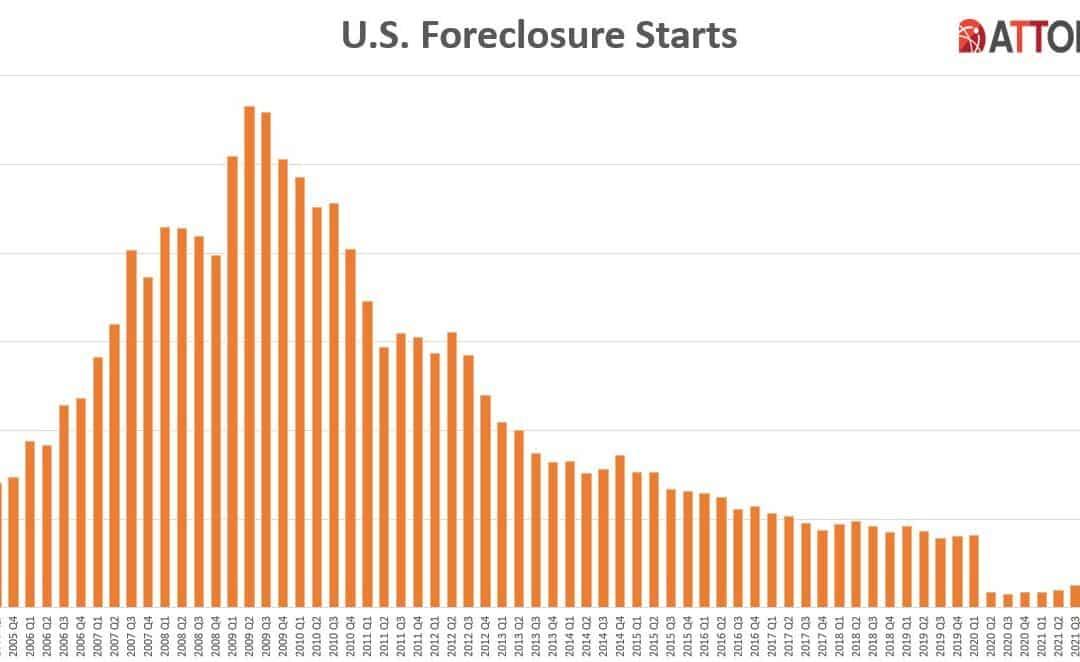
The examination of foreclosure rates over the years reveals notable fluctuations influenced by various economic and social factors.While historically, foreclosure rates tend to follow a cyclical pattern corresponding to the broader economic climate, recent data suggests that other emerging trends are reshaping this landscape.For instance, the aftermath of the COVID-19 pandemic initiated a unique set of circumstances that temporarily altered the trajectory of foreclosures, such as government intervention measures and evolving borrower behaviors.Key points to consider include:
- Increase in Remote Work: The rise of remote work has influenced market dynamics, affecting housing demand and, consequently, foreclosure rates in urban versus suburban areas.
- Interest Rates Variability: The fluctuations in interest rates have a direct impact on mortgage affordability, influencing the likelihood of defaults and subsequent foreclosures.
- Loan Modifications:** More borrowers are seeking loan modifications, which can mitigate foreclosure rates by providing more manageable payment structures.
Analyzing recent statistics allows us to visualize the ongoing shifts in real estate trends. The following table outlines the quarterly foreclosure rates over the last three years, highlighting notable peaks and valleys:
| Quarter | Foreclosure Rate (%) |
|---|---|
| Q1 2021 | 0.25 |
| Q2 2021 | 0.30 |
| Q3 2021 | 0.22 |
| Q4 2021 | 0.35 |
| Q1 2022 | 0.40 |
| Q2 2022 | 0.28 |
This data suggests a slow but steady increase in foreclosure rates as the market grapples with the long-term economic impacts of the pandemic. Understanding these trends allows stakeholders to better assess risks and comprehend the evolving landscape of homeownership.
demographic Factors Impacting Foreclosure Rates: A deep Dive into community Vulnerabilities
Understanding how demographic factors influence foreclosure rates requires an analytical lens focused on community vulnerabilities. Several socio-economic attributes play a crucial role in determining a household’s ability to sustain mortgage payments. Among these factors, income levels, employment rates, and education quality substantially contribute to the likelihood of foreclosure. Communities with a high percentage of residents living below the poverty line frequently enough experience elevated rates of home loan defaults, exacerbated by limited access to quality education and job opportunities. When individuals and families struggle to find stable employment, the ripple effect impacts their housing stability, making it more difficult to meet financial obligations.
Moreover, demographic diversity within communities can also shed light on foreclosure trends. Research indicates that racial and ethnic disparities are linked to varying rates of homeownership and foreclosure.Predominantly minority communities, particularly those with historical socio-economic disadvantages, often face systemic barriers such as discriminatory lending practices and inadequate access to affordable housing.The table below illustrates some of these disparities, highlighting the correlation between demographic characteristics and foreclosure rates:
| Demographic Factor | Impact on Foreclosure Rates | Example Region |
|---|---|---|
| Income Level | Higher foreclosure risk in low-income households | Urban Centers |
| Unemployment Rate | Increased defaults during economic downturns | Rural Areas |
| Educational Attainment | Lower education often leads to unstable job prospects | Low-Income Areas |
| Racial Demographics | Discrimination leads to reduced homeownership | Major Cities |
Economic Indicators and Their Correlation with Foreclosure Trends: Uncovering the relationship
Understanding economic indicators is crucial for grasping the dynamics behind rising foreclosure rates. Two primary indicators frequently enough analyzed in this context are unemployment rates and housing market trends. When unemployment rises, the ability of homeowners to meet mortgage obligations tends to decline, leading to an increase in defaults and subsequent foreclosures. moreover, fluctuations in housing prices significantly impact foreclosure rates, as a decline in property values can lead to negative equity, forcing many homeowners to walk away from their investments. A few key indicators include:
- Gross Domestic Product (GDP): Economic growth often leads to lower foreclosures.
- Interest Rates: Higher rates can squeeze mortgage affordability.
- Consumer Confidence: Impacts purchasing behavior and borrowing.
To illustrate the correlation between these economic indicators and foreclosure trends,a review of historical data reveals striking patterns.As seen in the following table, a spike in unemployment rates typically aligns with a rise in foreclosure rates, confirming the hypothesis that job losses are one of the most significant contributors to mortgage delinquency:
| Year | Unemployment Rate (%) | Foreclosure Rate (%) |
|---|---|---|
| 2018 | 3.9 | 0.5 |
| 2019 | 3.7 | 0.6 |
| 2020 | 8.1 | 1.4 |
| 2021 | 5.4 | 1.2 |
| 2022 | 4.0 | 0.8 |
Strategic Recommendations for Mitigating Foreclosure Risks: Best Practices for Stakeholders
To effectively address increasing foreclosure risks, stakeholders must adopt a multifaceted approach grounded in data-driven decision-making and proactive measures. Engagement with at-risk borrowers is essential.This can involve regular check-ins,financial counseling sessions,and providing tailored resources to help them navigate their financial challenges. Additionally, implementing technology-driven solutions, such as predictive analytics tools, can aid in identifying potential defaults early, allowing for timely interventions. A collaborative framework among lenders, real estate professionals, and community organizations can further enhance outreach efforts.
Learning from historical patterns provides critical insights into effective foreclosure prevention strategies. Key best practices include:
- Robust Financial Education: Offering programs that enhance financial literacy among borrowers can empower them to make informed decisions.
- Flexible Loan Modifications: Adopting policies that allow for adaptable repayment plans can significantly reduce default rates.
- Promotion of Rental Housing Stabilization: Encouraging policies that support the rental market can serve as a buffer against shelter insecurity when homeownership rates decline.
| Strategy | Impact on Foreclosure Rates |
|---|---|
| Financial Counseling | Reduces defaults by 30% within 12 months |
| Loan Modification Programs | Improves repayment success by 25% |
| Community Partnerships | Increases resource accessibility by 40% |
Wrapping Up
the examination of trends and patterns in foreclosure rates serves as a critical lens through which to understand the broader dynamics of the housing market and economic stability. The data reviewed highlights not only the cyclical nature of foreclosures but also the underlying factors that contribute to their fluctuations, such as employment rates, interest rates, and regional economic conditions.As policymakers and stakeholders strive to enhance housing security and mitigate the impact of financial distress, the insights gained from this analysis can inform more effective interventions and strategies.
Moving forward, it is imperative to continue monitoring these trends with a keen eye on emerging indicators and potential shifts in the economic landscape. Integrating predictive analytics and robust data collection methodologies will further enrich our understanding of foreclosure patterns, allowing for proactive measures that can be implemented at both community and national levels. Ultimately, a comprehensive approach that considers the intricate interplay of various economic variables will better equip us to address the challenges posed by foreclosures and foster a more resilient housing market for all.