

Navigating the storm: Strategies for Thriving During Real Estate Market Downturns
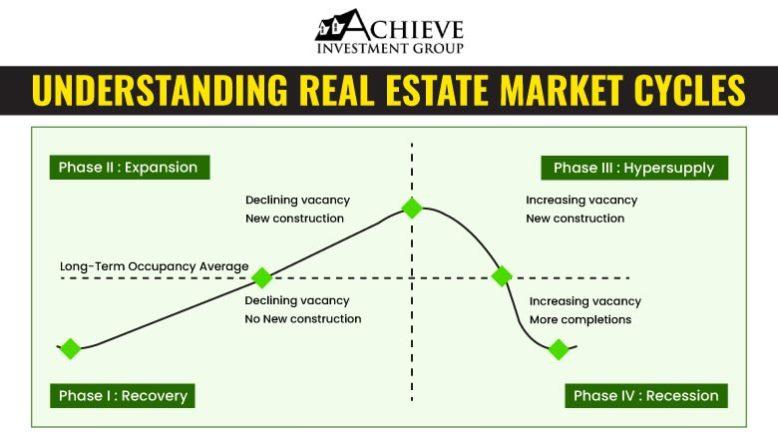
The real estate market is a dynamic entity,characterized by its cyclical nature and susceptibility to a myriad of economic influences. While periods of growth and rising property values can inspire confidence and optimism, downturns can engender uncertainty and challenge even the most seasoned investors. As economic indicators shift and consumer sentiment fluctuates, it becomes imperative for real estate professionals and investors alike to develop strategies that not only mitigate risks but also position themselves for potential opportunities. This article delves into proven tactics for navigating the complexities of a declining market, offering insights into market analysis, investment diversification, and tactical property management. By embracing a proactive approach and leveraging analytical tools, stakeholders can not only weather the storm of a downturn but emerge stronger on the other side.
Table of Contents
- Understanding Market Indicators and Timing for Strategic Decisions
- Diversifying Investment Portfolios to mitigate Risk in Downturns
- Leveraging Financing Options to Maximize Opportunities During Recessions
- Implementing Effective Property Management Practices for long-term Resilience
- The Conclusion
Understanding Market Indicators and Timing for Strategic Decisions
In the complex world of real estate, understanding market indicators is paramount for making informed strategic decisions, especially during downturns. Various indicators can provide insights into market conditions. Investors should closely monitor the following factors:
- Interest Rates: Fluctuations can substantially influence purchasing power and investment attractiveness.
- The Unemployment Rate: Rising unemployment can lead to decreased demand for housing and lower prices.
- Housing Supply and Demand: An oversupply may lead to lower prices, while high demand can sustain values.
- Sales Volume Trends: A decline in sales volume often signals a weakening market.
- Consumer Confidence indices: Higher confidence typically correlates with increased buying activity.
By analyzing thes indicators,businesses can better time their entry and exit strategies in the real estate market. Furthermore, employing a data-driven approach allows for a nuanced understanding of potential risks and opportunities. A simple analysis might look like this:
| Indicator | Current Status | implication |
|---|---|---|
| Interest Rates | 4.5% | May reduce buyer affordability |
| Unemployment Rate | 6.8% | Potential decrease in demand |
| Sales Volume | Down 15% | Signal of a market slowdown |
Ultimately, combining these indicators with ancient data can create a thorough strategy. Keeping a watchful eye on these market metrics equips real estate professionals to navigate downturns more effectively,ensuring sustainability and resilience in their investments.
Diversifying Investment Portfolios to Mitigate Risk in Downturns
During challenging economic times, diversifying investment portfolios becomes crucial for maintaining financial stability. Investors should consider various asset classes, which can help cushion the impact of downturns in any single market. Real estate, stocks, bonds, and alternative investments should be examined and balanced to align with one’s risk tolerance and investment goals. To optimize your portfolio, focus on the following diversification strategies:
- Geographic Diversification: Invest in properties across different markets to reduce exposure to local economic downturns.
- Property Type Diversification: Consider a mix of residential, commercial, and industrial properties to tap into various sectors of the economy.
- Investment Vehicle Diversification: Explore real estate investment trusts (REITs) or crowdfunding platforms, which can offer a buffer against customary real estate market fluctuations.
Additionally, regularly re-evaluating and rebalancing your portfolio is vital to adapt to changing market conditions. This proactive approach can help identify underperforming assets or sectors that may pose greater risks in uncertain times. maintaining a strategic allocation can mitigate potential losses and ensure that you are positioned to take advantage of new opportunities as thay arise. Below is a simplified table illustrating potential asset allocations for a balanced real estate investment portfolio:
| Asset Class | Suggested Allocation (%) |
|---|---|
| Residential Properties | 30 |
| Commercial Properties | 25 |
| Real Estate Investment Trusts (REITs) | 20 |
| Bonds | 15 |
| Alternative Investments | 10 |
Leveraging financing Options to maximize Opportunities During Recessions
During economic downturns, savvy investors can exploit various financing options to create opportunities that may not be apparent during stable market conditions. Alternative lending solutions, such as private equity firms or crowdfunding platforms, frequently enough become more accessible when traditional banks tighten their lending standards. Additionally, implementing bridge loans can provide short-term financing to secure properties before permanent financing is in place, allowing investors to capitalize on reduced pricing while minimizing competition. Utilizing these flexible financing mechanisms can lead to beneficial positions in the real estate market.
furthermore, pairing financing strategies with creative deal structuring can further enhance investment viability. Options such as seller financing or lease options can reduce upfront costs and provide more favorable terms. By leveraging equity from existing properties,investors can fund new acquisitions without needing extensive cash reserves. consider presenting your options in a table for easier visualization:
| Financing Option | Advantages |
|---|---|
| Private Equity | Less stringent requirements, faster access to capital |
| Bridge Loans | Fast financing for immediate opportunities |
| Seller Financing | Lower upfront payment, possibly no bank involvement |
| Equity Financing | frees up cash for other investments |
Implementing Effective Property Management Practices for Long-term Resilience
To ensure long-term resilience in property management, adopting strategic practices is essential, notably during turbulent market times. Triumphant property management goes beyond routine maintenance; it involves proactive measures that safeguard investments and enhance tenant satisfaction.Key practices include:
- Regular Property Assessments: Conduct periodic evaluations to identify maintenance needs and potential improvements, thereby avoiding costly repairs in the future.
- Tenant Engagement: Foster strong relationships with tenants through open communication and prompt responses to their concerns, which can enhance retention rates.
- Flexible Leasing Options: Offer diverse lease terms to accommodate varying tenant needs, ensuring higher occupancy rates even in downturns.
Moreover, leveraging technology can transform property management into a more agile and efficient process. Utilizing property management software enables real-time tracking of finances, maintenance requests, and tenant communications. Incorporating the following technologies can prove beneficial:
- Data Analytics: Analyze market trends and tenant behavior to make informed decisions about rental pricing and property amenities.
- virtual Tours: Use virtual showings to attract remote prospects, broadening the tenant pool regardless of physical limitations.
- Automated Communication: Employ automated systems for reminders and updates to ensure tenants stay informed without overwhelming your management team.
The Conclusion
As we conclude our exploration of strategies for navigating real estate market downturns, it is essential to recognize that adaptability and foresight are key drivers of success in any economic climate.By employing a diversified investment approach, maintaining liquidity, and understanding market indicators, real estate professionals and investors can position themselves not just to survive, but to thrive amidst uncertainty.
Staying informed about market trends, leveraging technology for data analysis, and building strong relationships within the industry can provide a competitive edge during challenging times. While downturns are frequently enough seen as periods of risk, they can also present unique opportunities for innovation and growth.
In closing, a proactive and informed strategy can mitigate the impact of downturns and help navigate the complexities of the real estate landscape. As we move forward, remember that the most resilient organizations are those prepared to adapt, pivot, and seize opportunities—even in the face of adversity.