

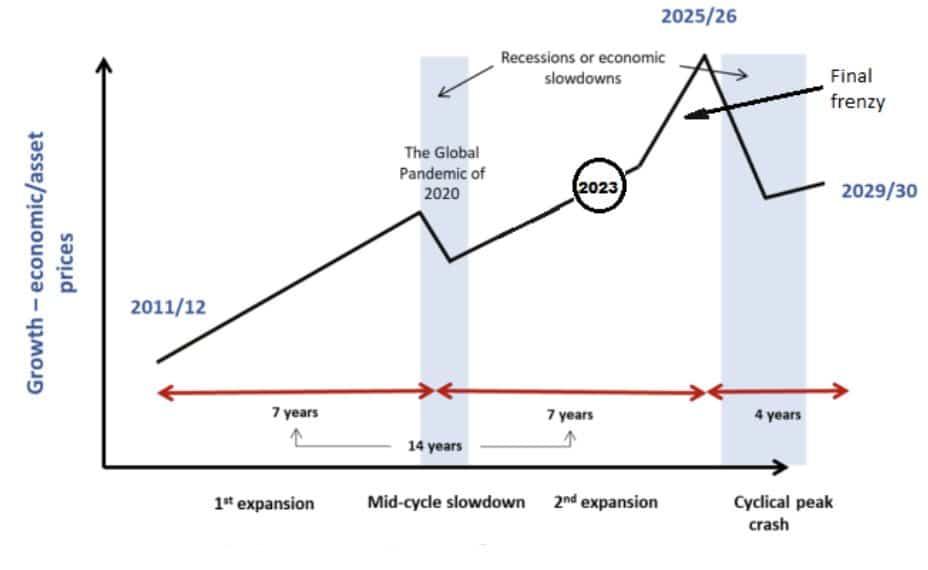
In an ever-fluctuating economic landscape, understanding the intricacies of real estate market cycles has become essential for investors, homeowners, and industry professionals alike. As property values soar and plummet in response to a myriad of factors—from shifting demographics and interest rates to global economic pressures—the ability to decode these cycles is not just beneficial; it’s pivotal. This article delves into the fundamental patterns that define real estate market fluctuations, offering insights into how these cycles can inform strategic decisions and long-term planning. By examining historical trends and current data, we aim to equip our readers wiht the knowledge to navigate this complex terrain and position themselves for success in a dynamic marketplace.
Table of Contents
- Understanding the Phases of Real Estate Market cycles
- Identifying Key Indicators of Market Trends
- Strategies for Navigating Different Market Conditions
- Long-term Investment Approaches for Sustainable Growth
- Concluding Remarks
Understanding the phases of Real Estate Market Cycles
The real estate market is characterized by a cyclical nature, typically divided into four key phases: expansion, peak, contraction, and trough. During the expansion phase, demand for properties increases, leading to rising home prices and construction activity as more investors seek to capitalize on the growing market. This phase is fueled by favorable economic conditions such as low interest rates, job growth, and increased consumer confidence. As supply struggles to keep up with demand, inventory levels begin to dwindle, further driving up prices and attracting even more investors.
As the market transitions to the peak phase,prices reach their highest point,and the market becomes increasingly competitive. With sellers commanding premium prices, buyers may face challenges in securing properties, leading to frustration and a slowdown in transactions. This saturation often prompts a shift towards the contraction phase, characterized by declining sales and stagnant or falling prices as supply begins to outpace demand. Homebuilders typically scale back new projects, while potential buyers adopt a more cautious approach. Many markets eventually hit a trough, where prices stabilize at their lowest levels, allowing for a new opportunity for the cycle to begin again as investment returns spark interest in the real estate sector.
Identifying Key Indicators of Market Trends
Recognizing signs of market movements is essential for making informed real estate decisions. Investors and analysts often focus on several critical factors to gauge trends, including:
- Supply and Demand: Monitoring the balance between housing availability and buyer interest can indicate upcoming price shifts.
- Interest Rates: Changes in mortgage rates directly affect purchasing power and overall market activity.
- Employment Rates: A robust job market boosts consumer confidence, leading to increased home purchases.
- Consumer Sentiment: Assessing how buyers perceive the market can provide foresight into potential buyer activity.
Understanding these indicators can definitely help identify patterns and predict possible future changes in the market. by analyzing regional data, investors can make comparisons across various markets. A table showcasing recent trends may reveal meaningful insights:
| Indicator | Current Status | Trend Direction |
|---|---|---|
| Average Home Prices | $350,000 | ↑ |
| Inventory Levels | Low | ↓ |
| Unsold Listings | 5% | ↓ |
| Consumer Confidence Index | 80 | ↑ |
Strategies for Navigating Different Market Conditions
As real estate markets fluctuate, it’s crucial for investors and homeowners alike to adjust their strategies accordingly. During a seller’s market, characterized by high demand and low inventory, buyers may need to act quickly and strategically. Consider the following approaches:
- Research comparable sales in the area to strengthen negotiation positions.
- Get pre-approved for financing to streamline the purchasing process.
- Remain flexible with certain property features to widen your options.
Conversely, in a buyer’s market, where supply outstrips demand, there are opportunities for more favorable terms. Investors can leverage this to their advantage by focusing on the following tactics:
- Thoroughly inspect properties to identify potential repairs and negotiate lower prices.
- Explore different neighborhoods that may not be on the mainstream radar.
- Consider long-term investment strategies when selecting properties, as the market may recover.
| Market Condition | Investor Strategy | Buyer approach |
|---|---|---|
| Seller’s Market | Act quickly and competitively | Be prepared with financing |
| Buyer’s Market | Negotiate and find hidden gems | consider long-term potential |
Long-Term Investment Approaches for Sustainable Growth
investing in real estate requires a nuanced understanding of the market cycles that dictate growth trajectories.By studying these cycles, investors can better allocate resources and time their acquisitions for superior long-term gains. The key patterns frequently enough observed include the expansion phase, where property values see a steady increase due to economic growth and rising demand; the peak phase, characterized by high prices and a potential oversaturation of the market; the contraction phase, where prices begin to drop as demand wanes; and finally the trough phase, presenting opportunities to acquire undervalued properties. Recognizing these phases allows investors to adopt strategies that align with the overall economic landscape.
To ensure sustainable growth,it’s essential to focus on factors that contribute to a resilient investment strategy. Here are some recommended approaches:
- diversification: Spread investments across different locations and property types to mitigate risks.
- research: Stay informed about local market trends and economic indicators that signal shifts in cycles.
- Long-Term Holding: Prioritize holding properties through market fluctuations to capitalize on appreciation over time.
- Cash Flow Management: Ensure consistent rental income to maintain positive cash flow, nonetheless of market conditions.
- Value-Add Strategies: Invest in renovations or improvements that can increase property value in any cycle phase.
| Market Phase | Characteristics | Investor Action |
|---|---|---|
| Expansion | Increased demand, rising prices | Invest in high-demand areas |
| Peak | High prices, market saturation | Consider selling or holding |
| contraction | Declining prices, reduced demand | Look for bargain investments |
| Trough | Low prices, potential for recovery | Invest in undervalued properties |
Concluding Remarks
understanding the intricate patterns of real estate market cycles is essential for investors, homeowners, and industry professionals alike. As we have explored, these cycles are influenced by a multitude of factors, including economic indicators, consumer behavior, and broader global trends. By decoding these key patterns, stakeholders can make informed decisions that align with market dynamics, ultimately leading to more strategic investments and successful outcomes. As we move forward, staying attuned to these cycles will be crucial in navigating the ever-evolving landscape of real estate. Weather you are considering your first home purchase or looking to expand your investment portfolio, knowledge of these cycles can empower you to seize opportunities and mitigate risks effectively. As we continue to monitor these developments,one thing remains clear: a proactive approach to understanding market trends will always be an invaluable asset in the real estate arena.