

As the landscape of home financing evolves, adjustable rate mortgages (ARMs) have emerged as a compelling option for a diverse array of borrowers. With their initial lower interest rates and potential for important cost savings, ARMs present both attractive opportunities and inherent risks. This article undertakes a comprehensive analysis of the risks and benefits associated with adjustable rate mortgages, examining their function within the broader context of the housing market and interest rate habitat. We will delve into the mechanics of ARMs, explore the implications of rate adjustments over time, and evaluate the potential impacts on borrowers’ financial well-being. By providing a nuanced understanding of ARMs, we aim too equip prospective homeowners and financial professionals alike with the essential insights needed to make informed decisions in an increasingly complex mortgage landscape.
Table of Contents
- Understanding Adjustable Rate Mortgages and Their Structure
- Evaluating Market Conditions and Their Impact on Interest Rate Changes
- analyzing Borrower Profiles: Who Should Consider an Adjustable Rate Mortgage
- Strategic Recommendations for Managing Risks in Adjustable Rate Mortgages
- The Way Forward
understanding Adjustable Rate Mortgages and Their Structure
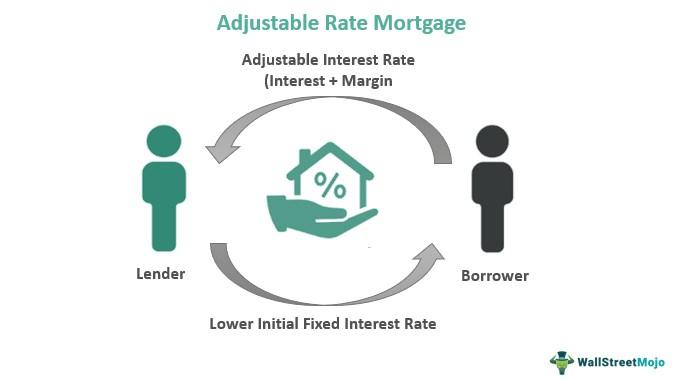
Adjustable Rate Mortgages (ARMs) are financial products with interest rates that can fluctuate over time, typically following a designated index. The structure of an ARM typically includes an initial fixed-rate period,which can range from a few months to several years,during which the interest rate remains constant. After this initial period, the loan converts to an adjustable rate, leading to periodic rate adjustments based on current market conditions. This transition can substantially impact monthly payments, making it essential for borrowers to understand the specific terms, including:
- Initial Rate Period: Duration of the fixed-rate phase.
- Adjustment Frequency: How frequently enough rates are recalibrated (e.g., annually, semi-annually).
- Index: Benchmark interest rate that influences rate adjustments (e.g., LIBOR, SOFR).
- Margin: Additional percentage added to the index rate to determine the new interest rate.
The appeal of ARMs lies in their potential for lower initial rates compared to traditional fixed-rate mortgages.Though, this advantage carries inherent risks. As market conditions change, borrowers may experience rate hikes that lead to considerable increases in monthly payments. It is indeed crucial to evaluate such risks in light of personal financial circumstances and long-term plans. Key factors that should be considered include:
- Potential Payment Increases: Estimate future payments based on worst-case scenarios.
- Long-Term Financial Planning: Ability to accommodate possible future expenses.
- Market Trends: Anticipated movements in interest rates and economic indicators.
Evaluating Market Conditions and Their Impact on Interest Rate Changes
Market conditions play a crucial role in shaping interest rate fluctuations, which afterward influence the viability of adjustable-rate mortgages (ARMs). Factors such as inflationary trends, economic growth, and monetary policy decisions by central banks can lead to significant shifts in interest rates. As an example,in a robust economic environment with rising inflation,lenders may increase rates to mitigate risk and maintain profitability. Conversely, during periods of economic contraction, a central bank might reduce rates to stimulate borrowing and spending. This dynamic underlines the importance for potential ARM borrowers to closely monitor broader economic indicators and their implications on future monthly payments.
Understanding how these market conditions impact interest rates can help potential borrowers make informed decisions about ARMs versus fixed-rate loans. Key indicators to consider include:
- Central Bank Policies: Actions from institutions like the Federal Reserve can create ripple effects on the mortgage market.
- Inflation Rates: Sustained increases in inflation may lead to higher interest rates.
- Employment Statistics: A healthy job market can foster higher interest rates due to increased consumer spending.
To better illustrate the relationship between market conditions and interest rates, the following table presents a correlation analysis:
| market Indicator | Typical Effect on Interest Rates |
|---|---|
| High Inflation | Increases |
| Strong Economic Growth | Increases |
| Recession | Decreases |
| Stable Employment | Variable |
This ongoing interplay between market fluctuations and interest rates should serve as a critical consideration for anyone contemplating the adoption of an adjustable rate mortgage, ensuring borrowers are adequately prepared for potential changes in their financial commitments over time.
Analyzing Borrower Profiles: Who Should Consider an Adjustable rate Mortgage
When assessing whether an adjustable rate mortgage (ARM) is a suitable financial option, it’s essential to identify specific borrower profiles that stand to benefit from its unique structure. First-time homebuyers, especially those who may not have substantial capital for a sizable down payment, often find ARMs advantageous due to their lower initial interest rates. This can make owning a home more accessible in a competitive market, allowing these individuals to enter the housing sector before prices rise further.Additionally, borrowers planning to sell or refinance within a set period—typically before the initial fixed-rate period lapses—can take advantage of the lower introductory rates without risking future rate increases.
Moreover, investors looking to finance properties for rental or resale can leverage ARMs strategically. They typically aim for high cash flow and may benefit from taking on a lower initial mortgage rate to maximize their return on investment. Similarly, individuals expecting an increase in income over the coming years, such as those in industries with annual pay raises or career advancements, might also consider an ARM. They may feel cozy with the risk of fluctuating rates if their income is projected to grow significantly. Here are some borrower profiles that may find ARMs appealing:
- First-time Homebuyers
- borrowers with a Short-Term Housing Strategy
- Real Estate Investors
- Borrowers Anticipating a Rise in Income
In contrast, potential risks associated with ARMs can impose challenges for certain borrower types. Homeowners with limited financial flexibility or those on fixed incomes may find fluctuating rates burdensome,as market conditions could drive monthly payments higher. Likewise, borrowers planning to stay in their home long-term might face increased costs, especially if the market interest rates surpass their initial rate after the fixed period ends. It’s crucial for borrowers to evaluate their financial situation, future plans, and ability to adapt to changing rates before committing to an ARM. A comparison between fixed-rate mortgages and ARMs can further enrich this analysis:
| Mortgage Type | Initial Rate | Rate Adjustment | Long-term Commitment |
|---|---|---|---|
| Fixed-Rate Mortgage | Stable | None | Ideal for Long-term |
| Adjustable Rate Mortgage | Lower | Periodic Adjustments | Better for Short-term |
Strategic Recommendations for Managing Risks in Adjustable Rate Mortgages
Effective management of risks associated with adjustable rate mortgages (ARMs) requires a proactive approach that incorporates both financial education and strategic planning. Homebuyers should begin by thoroughly understanding the terms and conditions of their mortgage agreements. Investing time in financial literacy can empower borrowers to choose the right ARM that aligns with their financial circumstances. Key strategies to consider include:
- Rate Caps: Opt for ARMs that feature rate caps, limiting the amount the interest rate can increase at each adjustment period.
- Fixed-Period ARMs: Consider loans that offer a fixed interest rate for a designated period before transitioning to an adjustable rate.
- Budget Planning: Create a comprehensive budget that anticipates potential increases in monthly payments due to changing interest rates.
Moreover,it is indeed critical to maintain an emergency fund that can cushion the impact of rising payments. Regularly monitoring interest rate trends and economic forecasts can definitely help borrowers anticipate changes and adjust their financial strategies proactively. Engaging with a financial advisor can provide tailored advice, ensuring the borrower’s decisions remain aligned with long-term objectives. Implementing these recommendations can significantly mitigate the risks associated with fluctuations in adjustable rate mortgages:
| strategy | Description |
|---|---|
| Rate Lock | Secure a lower interest rate before it adjusts. |
| Refinancing options | Explore refinancing to a fixed-rate mortgage if rates become unfavorable. |
| Financial Forecasting | Utilize tools to project future payments and prepare accordingly. |
The Way Forward
navigating the intricacies of adjustable rate mortgages (ARMs) necessitates a thorough understanding of their inherent risks and benefits. while ARMs can offer initial lower interest rates and potential savings, borrowers must remain acutely aware of the long-term implications associated with fluctuating payments and market volatility. Conducting a comprehensive risk assessment, coupled with diligent financial planning, is crucial in determining whether an ARM aligns with an individual’s financial objectives and risk tolerance. Ultimately, informed decision-making, grounded in meticulous analysis of loan terms, interest rate indices, and future market conditions, will empower borrowers to make strategic choices that enhance their financial well-being.as the mortgage landscape continues to evolve, ongoing education and adaptive financial literacy will be key to leveraging the opportunities presented by adjustable rate mortgages while mitigating the associated risks.