

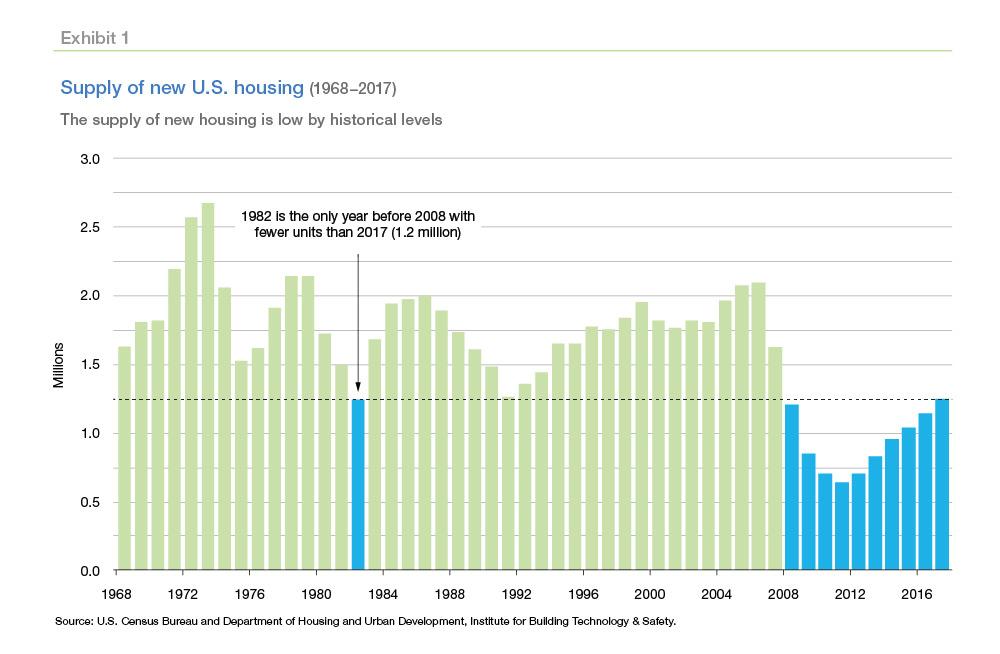
In the wake of evolving economic conditions and shifting societal norms, the housing market has emerged as a focal point of analysis for policymakers, investors, and homebuyers alike.As populations fluctuate and urbanization accelerates, understanding the intricate dynamics of housing supply and demand has become increasingly critical. This article delves into the current trends shaping these dynamics, examining the interplay between various factors such as interest rates, demographic shifts, and governmental policies. By analyzing recent data and projections, we aim to uncover the underlying patterns that are influencing housing availability and affordability, providing stakeholders with valuable insights to navigate today’s complex housing landscape. Through a rigorous exploration of these trends, we seek to illuminate the challenges and opportunities that lie ahead, informing strategic decision-making in an ever-changing environment.
Table of Contents
- Examining the Influences of Economic Factors on Housing Demand Trends
- Assessing Geographic Variations in Housing Supply Constraints
- Evaluating the Role of Government Policies in Shaping Market Dynamics
- Strategies for Mitigating Supply Shortages and Enhancing Affordability
- The Way Forward
examining the Influences of Economic Factors on Housing demand Trends
The relationship between economic factors and housing demand is multifaceted, shaped by a variety of indicators that reflect the overall health of the market. Key influences include interest rates,employment levels,and consumer confidence. When interest rates are low, financing becomes more affordable, encouraging potential buyers to enter the housing market. Conversely, high rates can stifle demand as mortgage costs rise. Employment levels significantly impact disposable income, and stable job markets typically foster increased housing demand, while economic downturns lead to uncertainty, resulting in heightened hesitancy among buyers.
Additionally, demographic trends and government policies play crucial roles in shaping demand. A growing population often signifies a need for more housing, while urbanization trends can drive demand for city-level properties. government incentives, such as tax credits or subsidies for first-time homebuyers, can stimulate interest and accelerate transactions. the following table summarizes some economic indicators and their potential effects on housing demand:
| Economic Indicator | Effect on housing Demand |
|---|---|
| Interest Rates | Lower rates increase affordability,boosting demand. |
| Employment Rates | Higher employment fosters confidence, driving demand. |
| Consumer Confidence Index | Higher confidence increases willingness to purchase homes. |
| GDP Growth | Strong growth correlates with higher housing demand. |
Assessing geographic Variations in Housing Supply Constraints
Understanding the variations in housing supply constraints across different regions is paramount for developing effective policies and strategies. These constraints can arise from a multitude of factors, including regulatory frameworks, geographical limitations, and socio-economic conditions. Local zoning laws often dictate the type and intensity of development, while factors such as natural disasters or urban sprawl can significantly hinder new constructions. Regions with strict land use policies tend to experience higher supply constraints, which can exacerbate affordability issues and restrict market flexibility.
To quantify these variations, a comparative analysis across key metropolitan areas can be conducted, focusing on critical metrics such as housing permits issued, average time to approval, and land availability.This can be encapsulated in a summary table to illustrate the disparities effectively:
| metro Area | Housing Permits (2023) | Average Approval Time (months) | Available Land (Acres) |
|---|---|---|---|
| City A | 1,200 | 6 | 350 |
| City B | 600 | 12 | 150 |
| City C | 2,000 | 4 | 800 |
Furthermore,examining the socio-economic factors contributing to these constraints provides additional insights. Areas with higher income inequality or lower levels of social capital may find it more arduous to advocate for housing development initiatives. By leveraging comprehensive analyses of supply constraints, policymakers can tailor their approaches to foster sustainable housing solutions that meet diverse community needs.
Evaluating the Role of government Policies in Shaping Market Dynamics
Government policies play a crucial role in influencing housing supply and demand dynamics, particularly through measures designed to stimulate or regulate the market. Zoning laws and regulations can either facilitate new developments or impose constraints that limit building activities, thus affecting the availability of housing stock. For example,when municipalities relax zoning restrictions,they often see an increase in residential construction,leading to a more balanced market where supply can better match demand. Conversely, stringent zoning can create an artificial scarcity of housing, driving prices upward as buyers compete for limited options.
Along with zoning, financial incentives such as tax credits, subsidies, and mortgage assistance also play a important role in shaping outcomes in the housing market. These policies are designed to encourage home ownership and stimulate investment in residential properties. when government entities implement effective financial interventions, they can influence purchasing behaviors, resulting in shifts in demand. The following table summarizes how various policies directly impact housing market dynamics:
| Policy Type | Effect on Supply | Effect on Demand |
|---|---|---|
| Tax Credits | Increases development incentives | Encourages first-time homebuyers |
| Zoning Reforms | Boosts housing inventory | Reduces competition for existing homes |
| Subsidies | attracts developers | Improves affordability for buyers |
| Interest Rate Policies | Indirect effect based on lending | Affects mortgage accessibility |
Strategies for Mitigating Supply Shortages and Enhancing Affordability
In light of the ongoing challenges in housing supply and demand, several effective strategies can be employed to mitigate supply shortages and enhance affordability. Firstly, stakeholders should consider leveraging technology to streamline the construction process. Integrating Building Information Modeling (BIM) and prefabrication techniques can significantly reduce construction times and costs. Additionally, establishing public-private partnerships can facilitate access to necessary funding and resources to expedite housing development projects. Involving community organizations in planning can also yield insights into local needs and preferences, enhancing the relevance and efficiency of new housing initiatives.
Furthermore, adjusting zoning laws to allow for greater density can play a critical role in increasing housing stock without extensive new land acquisition. This can include allowable accessory dwelling units (ADUs), upzoning in urban centers, and transforming underutilized commercial spaces into residential properties. additionally, implementing community land trusts can provide a sustainable framework for affordable housing while maintaining community control over local resources. Below is a simple table summarizing these strategies:
| Strategy | Description |
|---|---|
| Technology Integration | Utilizing BIM and prefabrication to reduce costs and time. |
| Public-Private Partnerships | Collaborative funding and resource access for housing projects. |
| Zoning Adjustments | Policy changes to allow for higher density and ADUs. |
| Community Land trusts | Establishing local control to ensure long-term affordability. |
the Way Forward
the intricate dynamics of housing supply and demand reveal a landscape marked by both challenges and opportunities.our analysis underscores the crucial interplay between economic indicators, demographic shifts, and policy responses that shape the housing market. as we navigate through fluctuating interest rates, evolving consumer preferences, and regulatory changes, it is indeed clear that stakeholders—ranging from investors and developers to policymakers—must adopt a nuanced approach to understand and anticipate market trends. The insights gleaned from this exploration not only illuminate the current state of housing but also pave the way for strategic decision-making in the face of ongoing volatility. Moving forward, a commitment to data-driven strategies and adaptive practices will be essential for effectively addressing the evolving housing needs of our communities, ensuring both sustainability and accessibility in a rapidly changing environment. It is imperative that we continue to monitor these trends and remain agile to foster a resilient housing market that can withstand future challenges.