

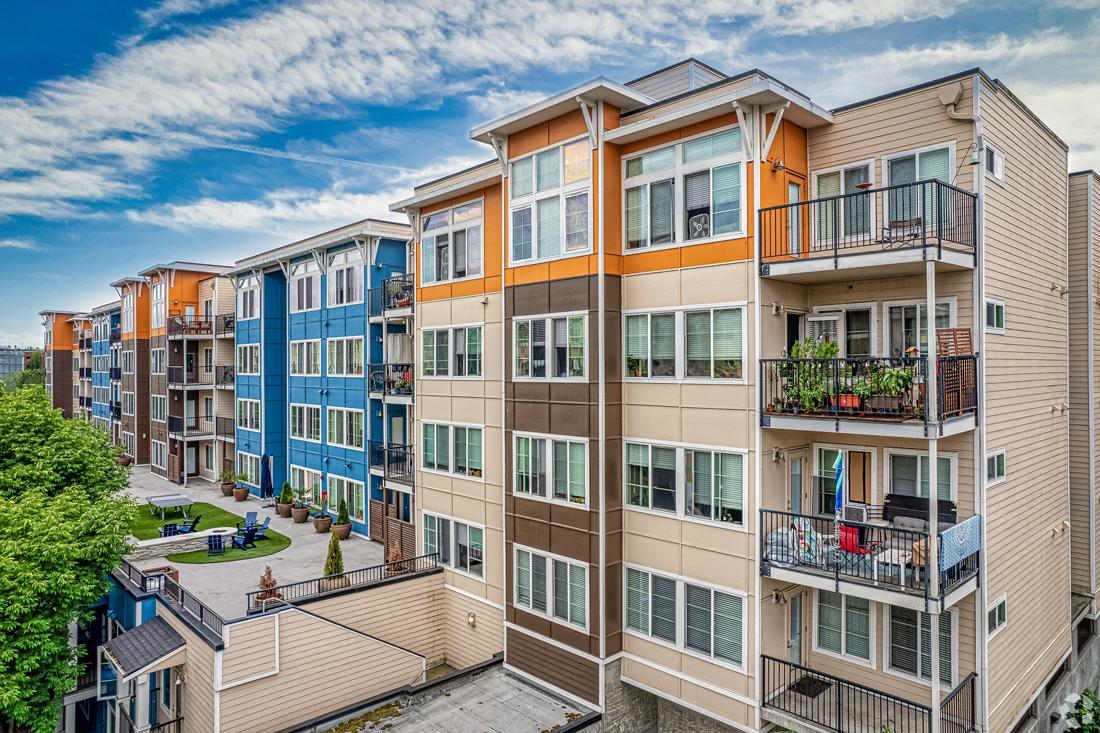
In an age where urban landscapes are rapidly evolving, the quest for affordable housing has become a critical issue for cities around the globe. As populations swell and economic disparities widen, the dream of secure, affordable living spaces is slipping further out of reach for manny individuals and families. Urban centers, frequently enough the heartbeat of innovation and opportunity, are increasingly becoming battlegrounds for accessibility and inclusivity. This article seeks to explore innovative and viable solutions to the pressing challenge of affordable housing in urban environments.From policy reforms and community-driven initiatives to sustainable building practices and smart city technologies, we will delve into a range of strategies that hold the potential to reshape urban living for the better.Join us as we envision a future where affordable housing is not just a dream but a reality for all.
Table of Contents
- Exploring Innovative Design Approaches for Sustainable Urban Housing
- Addressing Financing Models to Make Affordable Housing Accessible
- Leveraging Community Engagement to Foster Inclusive Neighborhoods
- Policy Recommendations for Supporting Affordable Housing Initiatives
- Concluding remarks
Exploring Innovative Design Approaches for Sustainable Urban Housing
As urban populations continue to grow, the need for affordable and sustainable housing solutions becomes increasingly urgent. Innovative design approaches are emerging that marry functionality with environmental stewardship, offering new pathways for urban housing. Some of the most compelling strategies include:
- Modular Construction: Utilizing prefabricated components to reduce waste and construction time, while also allowing for greater customization.
- Green Roofs and Walls: Incorporating vegetation into building designs not only enhances aesthetic appeal but also improves air quality and temperature regulation.
- Adaptive Reuse: Transforming old buildings into residential spaces preserves cultural heritage and minimizes resource consumption associated with new construction.
- Energy-Efficient Technologies: Implementing sustainable systems such as solar panels and energy-efficient appliances reduces utility costs and environmental impact.
Collaboration between architects, urban planners, and community stakeholders is essential in realizing these design concepts. By involving local residents in the planning process,we can ensure that the created spaces not only meet functional needs but also foster a sense of community and belonging. A structured approach to assess these housing developments can be visualized as follows:
| Design Approach | Benefits | Challenges |
|---|---|---|
| Modular Construction | Cost-effective, reduces construction waste | Public perception and zoning regulations |
| Green Roofs | Enhances biodiversity, provides insulation | Initial investment and maintenance requirements |
| Adaptive Reuse | PRESERVES heritage, minimizes waste | Structural integrity concerns |
| energy-Efficient Technologies | Lower energy bills and carbon footprint | Higher upfront costs |
Addressing financing Models to Make Affordable Housing Accessible
To create sustainable models for financing affordable housing, it is essential to explore a diverse range of funding sources and innovative financial mechanisms. Collaborative partnerships between public entities, private developers, and non-profit organizations can harness resources and expertise. Consider the following strategies:
- Tax Incentives: Implementing tax credits can motivate developers to invest in affordable housing projects.
- Microfinance Options: Providing small loans to individuals or families can empower them to secure homes without conventional banking hurdles.
- Social Impact Bonds: These can attract private investment for public projects, ensuring shared duty in housing advancement.
Moreover, utilizing technology in financing can streamline processes and reduce costs, making housing more accessible. For instance, digital platforms can facilitate crowd-funded investments and allow community members to participate in housing projects actively. A extensive approach might include:
| Innovation | Description |
|---|---|
| Blockchain Solutions | Enable obvious transactions and secure ownership records. |
| Shared Equity Models | Allow homeowners to share the financial burden with investors or developers. |
Leveraging Community Engagement to Foster Inclusive Neighborhoods
Building strong and inclusive neighborhoods requires the active participation of community members in the planning and development process. By fostering an environment where residents feel empowered to voice their opinions and share their ideas, we can create vibrant spaces that cater to the diverse needs of all individuals. This can be achieved through:
- Community Workshops: Organizing sessions where locals can gather to discuss their visions and concerns about housing.
- Focus Groups: Engaging different demographic groups to ensure their perspectives inform housing solutions.
- surveys and Feedback Forms: Gathering quantitative and qualitative data on community needs and priorities.
Moreover, leveraging technology can enhance engagement efforts, allowing residents to contribute remotely and increasing participation rates. Online platforms can be utilized to facilitate discussions, share resources, and inform the public about housing initiatives. Implementing transparent interaction channels and regular updates can foster trust and collaboration within the community. Consider creating a simple table to summarize potential channels for engagement:
| Engagement Channel | benefits |
|---|---|
| Social Media | Wide reach and real-time interaction |
| community Events | Face-to-face connections and relationship building |
| Online Portals | Accessibility and convenience for feedback |
Policy Recommendations for Supporting Affordable Housing Initiatives
To cultivate a thriving urban environment, it is essential for local governments and policymakers to prioritize sustainable and innovative strategies for affordable housing.Emphasizing the need for collaboration between public and private sectors, initiatives could include:
- Incentivizing Developers: Provide tax credits or subsidies to developers who commit to building affordable housing units.
- zoning Reforms: Revise zoning laws to allow for mixed-use developments and higher density housing, which can lower construction costs and increase supply.
- Community Land Trusts: Support the establishment of community land trusts that enable local residents to gain ownership and equity in land developments, preserving affordability.
Additionally, the integration of technology and data can play a crucial role in advancing these initiatives. By leveraging data analytics, cities can better assess housing needs and allocate resources accordingly. Recommended approaches include:
- Smart Housing Solutions: Invest in technologies that promote energy efficiency and lower operational costs, making affordable housing more accessible.
- Public-Private Partnerships: Foster partnerships that enable innovative financing strategies and the sharing of resources among stakeholders.
- Transparent Data Sharing: Implement open data platforms that provide insights into housing availability, pricing trends, and demographic shifts to inform policy decisions.
Concluding Remarks
envisioning affordable housing solutions for urban living isn’t just a necessity; it’s an imperative for fostering sustainable and vibrant communities. As we navigate the complexities of increasing urbanization, we must prioritize innovative strategies that address the diverse needs of our growing populations. Collaboration between policymakers, developers, and community members is essential to create adaptable living spaces that are not only affordable but also conducive to a high quality of life.
The journey toward equitable urban housing may be challenging, but the potential rewards — stronger communities, reduced inequality, and enhanced well-being — are well worth the effort. As we look toward the future,let’s embrace the opportunity to reimagine our cities as places where everyone,regardless of their income,has a place to call home.
Thank you for joining us in this exploration of affordable housing solutions. We encourage you to engage in discussions, share your thoughts, and advocate for policies that promote inclusive urban living. Together, we can build a brighter, more inclusive future for all.