

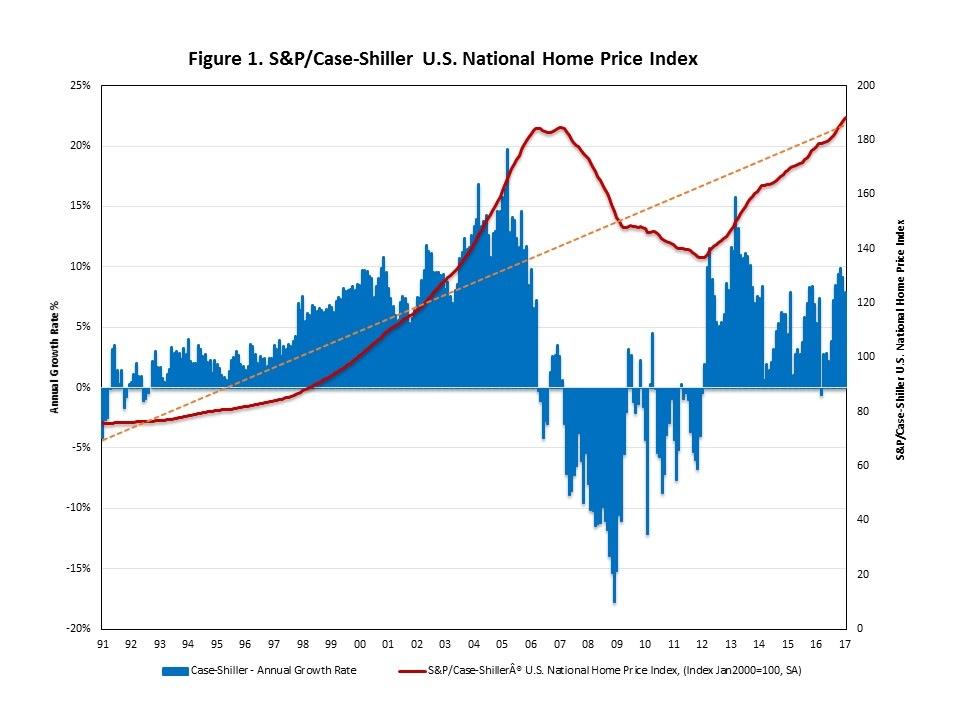
In recent years, the real estate market has captured headlines across the globe, with prices soaring to unprecedented heights in many regions. For both prospective homebuyers and seasoned investors, understanding the intricate web of factors that contribute to rising real estate prices is essential. This phenomenon can seem perplexing, influenced by a complex interplay of economic indicators, demographic trends, and governmental policies. In this article,we’ll delve deep into the key elements driving the surge in property values,exploring how supply and demand dynamics,interest rates,location desirability,and even socio-economic shifts play pivotal roles. Whether you’re looking to buy your first home, sell an investment property, or simply enhance your market knowledge, gaining insight into these trends will empower you to make informed decisions in this ever-evolving landscape. Join us as we unpack the underlying causes of this meaningful real estate trend and what it may mean for the future.
Table of Contents
- Analyzing Supply and Demand Dynamics in the Housing Market
- The Impact of Economic Indicators on Real Estate Valuations
- Exploring Policy Changes and Their Effects on Housing Affordability
- Strategic Recommendations for Buyers and Investors in a Booming Market
- In Summary
Analyzing Supply and Demand Dynamics in the housing Market
In today’s evolving housing market, understanding the intricate relationship between supply and demand is crucial for grasping why real estate prices continue to surge. several factors are at play: the decreasing availability of affordable housing, rising construction costs, and demographic shifts. A lack of new housing developments has intensified competition among buyers, leading to bidding wars that push prices higher. In addition,the increasing cost of materials and labor means that builders are hesitant to take risks in developing new properties,creating a bottleneck in supply.
Moreover,macroeconomic trends significantly impact demand. As interest rates fluctuate,their effect on mortgage affordability can either stimulate or cool off buyer interest. Other elements contributing to this dynamic include:
- Population Growth: An influx of residents into urban areas drives up demand for housing.
- Remote Work Trends: The rise of remote work has led many to seek larger homes in less densely populated areas.
- Investment Opportunities: Real estate remains a favored asset for investment, further inflating demand.
Understanding these factors is pivotal for potential buyers, sellers, and investors as they navigate through the complexities of the housing market.
The Impact of Economic Indicators on Real Estate Valuations
The relationship between economic indicators and real estate valuations is complex and multifaceted. As the economy fluctuates, various indicators signal potential shifts in the housing market. Key factors include:
- Interest Rates: Lower rates generally make mortgages more affordable,driving up demand and consequently,property values.
- employment Rates: High employment correlates with increased purchasing power among consumers,enhancing the demand for residential and commercial real estate.
- Gross Domestic Product (GDP): A rising GDP often indicates economic growth, fostering confidence and stimulating real estate investments.
Moreover, regional indicators can also play a significant role in shaping market dynamics. Trends specific to an area, such as population growth and local economic conditions, impact how properties are valued.For instance, a table highlighting regional metrics can illustrate how diffrent areas respond uniquely under similar economic conditions:
| Region | Population Growth (%) | Unemployment Rate (%) | Average Home Price ($) |
|---|---|---|---|
| urban Area A | 3.5 | 4.1 | 450,000 |
| Suburban Area B | 2.1 | 3.8 | 350,000 |
| Rural Area C | 1.0 | 5.5 | 200,000 |
Exploring Policy Changes and Their Effects on Housing Affordability
Recent policy changes have had a significant impact on housing affordability, often exacerbating the challenges faced by potential homebuyers. Government interventions, such as adjustments in financing options or tax incentives for developers, can create ripples throughout the market.When policies favor the construction of high-end rental units or push for zoning reforms that prioritize profitability over affordability, the supply of reasonably priced housing tends to dwindle.Key factors to consider include:
- Increased land costs: Zoning regulations can inflate land values, pushing developers toward higher-priced projects.
- Interest rate fluctuations: Changes in mortgage rates can either facilitate or hinder home purchases, directly affecting demand.
- Housing supply constraints: Legislative hurdles can slow down construction, leading to a gap between supply and demand, particularly for affordable units.
Moreover, the effects of these policy changes are often interconnected with broader economic indicators. As an example, the implementation of policies aimed at stimulating the economy can inadvertently lead to increased investment in luxury real estate, diverting funds from affordable housing initiatives. To illustrate the consequences of various policy decisions on housing, the table below summarizes the relationship between specific policies and their outcomes:
| Policy Change | Short-term Effect | Long-term Effect |
|---|---|---|
| Tax Credit for Affordable Housing | Increased affordability | More low-income housing stock |
| Zoning Reforms for High-Rise Buildings | Reduced immediate supply | Higher rents in urban areas |
| Subsidies for First-Time Homebuyers | Boosts homeownership rates | Potential market saturation |
strategic Recommendations for Buyers and Investors in a Booming Market
In a thriving real estate market, buyers and investors must adopt a proactive approach to seize opportunities. To navigate this dynamic landscape successfully, consider the following strategies:
- Conduct Thorough Market Research: Understanding local trends, property values, and emerging neighborhoods is crucial. Utilize real estate platforms and engage with local experts to gain insights.
- Diversify Investments: Don’t limit yourself to a single asset type; explore residential, commercial, and mixed-use properties to spread risk and maximize potential returns.
- Leverage Financing Wisely: Capitalize on favorable mortgage rates while ensuring you understand the terms and long-term implications of your financing choices.
Furthermore, timing and adaptability can significantly enhance investment success. here are additional considerations for buyers:
| Action Item | Timing Consideration |
|---|---|
| Monitor Market Indicators | Regularly check housing starts, interest rates, and employment figures. |
| Attend Open Houses | Visit properties early and frequently to gauge demand and make informed offers. |
| Build Relationships | Network with local realtors and investors to stay ahead of trends. |
By remaining informed and adaptable, buyers and investors can effectively position themselves to capitalize on the current market boom while minimizing risks associated with price volatility.
In Summary
navigating the complexities of rising real estate prices requires a comprehensive understanding of the myriad factors at play. From economic trends and housing supply constraints to demographic shifts and government policies,each element contributes to the ever-evolving landscape of the housing market. As potential buyers, investors, or policymakers, staying informed and adaptable will be key to making strategic decisions in this dynamic habitat.
As we continue to witness fluctuations in real estate prices, it is essential to approach the market with a critical mindset and a long-term perspective. Whether you’re looking to buy your first home, expand your property portfolio, or simply gain insight into market trends, being equipped with knowledge is your greatest asset. Keep following our blog for ongoing analysis,tips,and insights to help you navigate these changes with confidence. Thank you for reading, and we look forward to connecting with you in future discussions!