

In today’s dynamic real estate market, understanding the true value of a property is paramount for investors, homeowners, and industry professionals alike. Accurately assessing property value goes beyond mere intuition or surface-level analysis; it requires a meticulous approach grounded in market trends, economic indicators, and the unique characteristics of the asset in question. As property values fluctuate with economic cycles, technological advancements, and shifting consumer preferences, having a extensive toolkit for valuation becomes increasingly vital.This article delves into the essential insights and methodologies that will empower stakeholders to navigate the complexities of property assessment with confidence and precision, ensuring informed decision-making in an ever-evolving landscape. Whether you are a seasoned investor or a first-time buyer, mastering the fundamentals of property valuation can lead to smarter investments, better negotiating positions, and ultimately, greater financial success.
Table of Contents
- Understanding the key Factors Influencing Property Valuation
- Utilizing Comparable Sales for Accurate Market Analysis
- incorporating Property Condition and Upgrades in Value Assessment
- Navigating Economic Indicators and Their Impact on Real estate Pricing
- Closing Remarks
Understanding the Key Factors Influencing Property Valuation
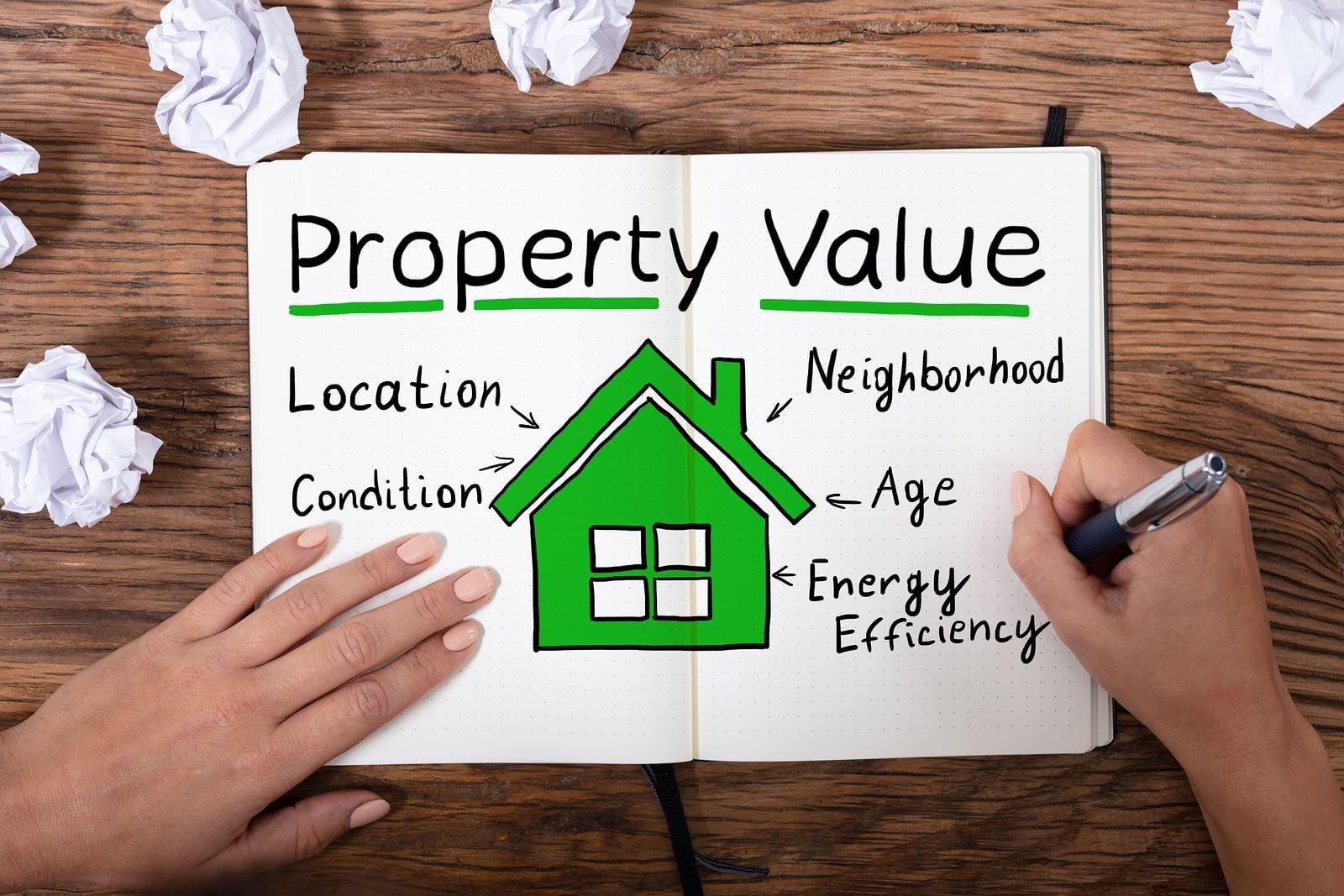
Several factors play a critical role in determining the value of a property, each of which contributes to its overall appeal and market price. Location is arguably the most influential element; properties situated in desirable neighborhoods or near key amenities such as schools, parks, and shopping districts typically command higher prices. Additionally, property size and layout significantly affect valuation, as larger homes with functional floor plans generally attract higher interest and investment. Other relevant aspects include age and condition of the property, which encompass not only the design but also the potential for future maintenance costs and renovations.
Market trends also exert considerable influence over property valuations. Understanding the reality of supply and demand within a specific area will provide insights into the current market conditions. Economic factors, such as regional employment rates and interest rates, can shift buyer enthusiasm and generate fluctuations in property values. Moreover, characteristics such as zoning laws and future advancement plans in the vicinity can enhance or detract from property values, making it essential to evaluate these elements thoroughly when assessing worth.
Utilizing Comparable Sales for Accurate Market Analysis
When analyzing property values, leveraging comparable sales is integral to achieving accuracy and reliability in assessments. Comparable sales, frequently enough referred to as “comps,” are properties that have recently sold and share similar characteristics with the property in question. To effectively utilize these metrics, property analysts should consider a range of factors, including location, size, condition, and amenities. This comparative analysis allows for a more informed valuation that mirrors market trends.
Key components to examine when selecting comparable sales include:
- Timeframe: focus on sales that have occurred within the last six months to ensure relevance.
- Proximity: Choose properties located within the same neighborhood or a similar area to maintain market consistency.
- Property Type: Compare similar types of properties (single-family homes, condos, etc.) to avoid skewed results.
- Adjustments needed: Account for differences in size, upgrades, or conditions to refine your valuation accurately.
| Property Address | Sale Price | Sale Date | Square footage |
|---|---|---|---|
| 123 Oak st | $350,000 | Aug 2023 | 1,800 sqft |
| 456 Maple Ave | $375,000 | Jul 2023 | 2,000 sqft |
| 789 Pine Blvd | $340,000 | sep 2023 | 1,750 sqft |
Incorporating Property condition and Upgrades in Value Assessment
When assessing property value,the condition of the property plays a pivotal role in determining its market worth. A well-maintained property typically commands a higher price, while properties showing signs of neglect may deter potential buyers or investors.Key factors in evaluating property condition include:
- Structural Integrity: Inspecting the foundation, roof, and walls for any damage or necessary repairs.
- Interior Finishes: Assessing the condition of flooring, cabinetry, and fixtures to gauge aesthetic appeal.
- Systems Functionality: Evaluating the heating, plumbing, and electrical systems to ensure they meet current standards.
Furthermore, making strategic upgrades can significantly enhance a property’s value. These improvements not only increase visual appeal but also leverage modern standards in energy efficiency and technology. consider the following enhancements that tend to yield high returns:
- Kitchen Remodels: Upgrading appliances and countertops can attract more buyers.
- Bathroom Renovations: Modernizing bathrooms frequently enough adds equity to the property.
- Curb Appeal Improvements: Landscaping, fresh paint, and outdoor lighting can create a positive first impression.
To illustrate the impact of these factors, consider the following table showcasing average ROI for popular home upgrades:
| Upgrade | Average Cost | Average ROI |
|---|---|---|
| Kitchen Remodel | $20,000 | 80% |
| Bathroom Remodel | $15,000 | 70% |
| New Windows | $8,000 | 75% |
By understanding the interplay between property condition, strategic upgrades, and their financial implications, homeowners and real estate professionals can make informed decisions that maximize property value and attract potential buyers.
Navigating Economic Indicators and their Impact on Real Estate Pricing
Understanding economic indicators is crucial for anyone involved in the real estate market, as these metrics offer insights that can directly influence property pricing. Key indicators include interest rates, employment rates, and gross domestic product (GDP). For instance, a decline in interest rates often leads to increased mortgage accessibility, encouraging more buyers to enter the market.In contrast, high unemployment rates can result in decreased purchasing power, perhaps leading to stagnation or a drop in property values. Other factors, such as inflation, can further complicate this landscape, prompting investors to reassess their portfolios based on projected financial changes.
To accurately gauge the impact of these indicators on property values,it’s essential to analyze ancient data alongside current trends. This approach enables investors to identify patterns and make informed decisions. When evaluating properties, consider employing a comparative market analysis (CMA) using tables to keep track of relevant economic indicators and pricing trends in specific locales. Below is a simplified example:
| Indicator | Current Value | annual Change (%) |
|---|---|---|
| Interest Rate | 3.5% | -0.5% |
| GDP Growth rate | 2.0% | +1.0% |
| Unemployment Rate | 4.0% | -0.2% |
Utilizing such data helps in forecasting market conditions, ensuring that stakeholders remain well-informed about the dynamics driving property valuations.moreover, by watching trends closely, investors can anticipate shifts in the market, positioning themselves advantageously in a competitive landscape.
Closing Remarks
accurately assessing property value is a multifaceted endeavor that requires a keen understanding of various factors, including market trends, location dynamics, and property condition.By leveraging the insights outlined in this article, investors, real estate agents, and homeowners alike can navigate the complexities of property valuation with confidence. It is essential to adopt a comprehensive approach that combines both quantitative and qualitative analysis to arrive at precise valuations. As the real estate landscape continues to evolve, staying informed and adaptable will be crucial for making sound investment decisions. Ultimately, a well-informed assessment not only enhances the potential for profitability but also fortifies strategic planning in an ever-competitive market. Equip yourself with these essential insights to ensure that every property valuation you undertake is based on rigorous analysis and informed judgment.