

Introduction
In the ever-evolving landscape of mortgage financing, adjustable-rate mortgages (ARMs) have garnered attention for their potential to offer lower initial interest rates compared with fixed-rate counterparts. However, the appeal of ARMs is accompanied by inherent complexities and risks that require a thorough understanding before making a financial commitment. This article seeks to evaluate the multifaceted risks and benefits associated with ARMs, exploring how factors such as market volatility, interest rate fluctuations, and individual financial situations can influence the overall viability of this type of mortgage. By providing a comprehensive analysis grounded in current economic trends and mortgage lending practices, we aim to equip prospective borrowers, financial advisors, and industry professionals with the critical insights necessary for making informed decisions in today’s dynamic mortgage market.
Table of Contents
- Understanding the Mechanics of Adjustable Rate Mortgages and Their Impact on Financial Planning
- Assessing Interest Rate Fluctuations and Their Long-Term Implications on Mortgage Payments
- Comparative Analysis of Fixed Rate vs. Adjustable Rate Mortgages for Diverse Borrower Profiles
- Strategic Recommendations for Mitigating Risks Associated with Adjustable Rate Mortgages
- Concluding Remarks
Understanding the Mechanics of Adjustable Rate Mortgages and Their Impact on Financial Planning
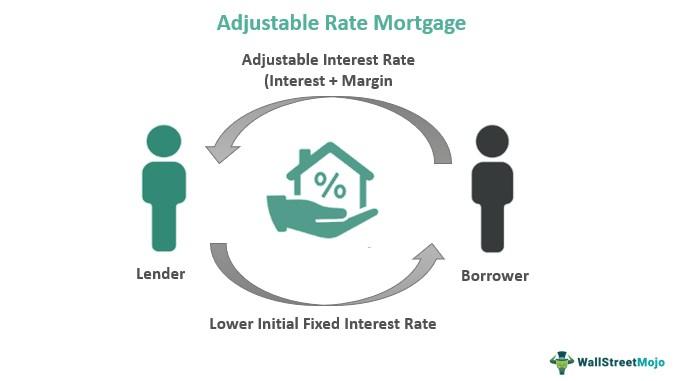
Adjustable Rate Mortgages (ARMs) offer a variable interest rate that can change at specified intervals, typically after an initial fixed-rate period. Understanding how these rates are adjusted is crucial for prudent financial planning. The adjustment period can vary; common intervals include 1, 3, 5, or even 10 years. Once this period ends, the interest rate is recalibrated based on a specific index, such as the LIBOR or the COFI, plus a margin established by the lender. This mechanism allows borrowers to potentially benefit from lower initial rates, but it can also expose them to fluctuating payments. It’s essential to carefully analyze the terms of the ARM—particularly the index, margin, caps, and floors—to comprehend how they will impact future payments.
When considering an ARM, the financial implications can be significant, both positively and negatively. Borrowers may enjoy lower initial payments compared to fixed-rate mortgages, making homeownership more accessible. However, as interest rates adjust, monthly payments can increase significantly, impacting budgeting and financial stability. Here are some factors to consider:
- Initial Rate Period: Understand how long your initial low rate lasts.
- Adjustment Frequency: Know how often rates will change.
- Rate Caps: Investigate limits on how high your rate and payments can go.
- Market Conditions: Monitor economic indicators that may signal rising rates.
Assessing Interest Rate Fluctuations and Their Long-Term Implications on Mortgage Payments
Understanding the dynamics of interest rate fluctuations is crucial for homeowners considering adjustable rate mortgages (ARMs). These mortgages often start with a lower interest rate than fixed-rate loans, making them attractive initially; however, there’s a risk that rates may increase significantly over time. Homebuyers should take into account not just the current rate, but also the potential for future adjustments that can lead to increased monthly payments. It’s essential to analyze various factors such as:
- The Federal Reserve’s monetary policy: Changes in the federal funds rate can signal shifts in mortgage rates.
- Inflation trends: Rising inflation typically leads to higher interest rates.
- Market volatility: Economic downturns can impact interest rates unpredictably.
Evaluating the long-term implications of interest rate changes involves thorough projection modeling. Homebuyers should consider using financial tools and calculators to simulate different scenarios based on various interest rate paths. The following table illustrates a hypothetical scenario for a $300,000 mortgage over 30 years with different initial rates and eventual adjustment outcomes:
| Initial Rate | Rate After 3 Years | Monthly Payment After Adjustment |
|---|---|---|
| 3.0% | 4.0% | $1,432 |
| 3.5% | 5.0% | $1,606 |
| 4.0% | 6.0% | $1,798 |
The potential consequences of rising interest rates can be significant, and homeowners must weigh the short-term benefits of lower initial payments against the long-term risks of escalating mortgage costs. As such, a comprehensive risk assessment is vital in making an informed decision regarding adjustable rate mortgages.
Comparative Analysis of Fixed Rate vs. Adjustable Rate Mortgages for Diverse Borrower Profiles
When comparing fixed rate and adjustable rate mortgages, it is essential to consider various borrower profiles, as each type offers distinct advantages and drawbacks. Fixed rate mortgages are generally preferred by individuals who value predictability and stability in their financial planning. They enable borrowers to lock in their interest rates for the entire loan term, making budgeting easier for those with steady incomes and long-term housing plans. On the other hand, adjustable rate mortgages (ARMs) attract less risk-averse borrowers, particularly first-time homebuyers or those expecting significant income growth. These loans typically start with lower initial rates that adjust periodically, creating potential cost savings in the initial years, which can be advantageous for individuals looking to maximize their financial flexibility in the short term.
Different borrower scenarios highlight key considerations when choosing between these two mortgage types. For instance, a young professional anticipating career advancement may find ARMs appealing due to their lower starting rates, which allow for a smaller initial payment. Conversely, a retiree or someone close to retirement might gravitate towards fixed rate options to avoid the uncertainties of fluctuating payments as they transition into a fixed income. The effectiveness of each mortgage also hinges on market trends; in a rising interest rate environment, fixed rates become notably more attractive—offering security that ARMs do not. An assessment table can help visualize these distinctions:
| Borrower Profile | Preferred Mortgage Type | Key Reason |
|---|---|---|
| Young Professional | Adjustable Rate Mortgage | Lower initial payments |
| Retiree | Fixed Rate Mortgage | Stable, predictable payments |
| First-Time Homebuyer | Adjustable Rate Mortgage | Affordability in early years |
| Long-Term Homeowner | Fixed Rate Mortgage | Longevity of payments |
Strategic Recommendations for Mitigating Risks Associated with Adjustable Rate Mortgages
To effectively manage the risks associated with adjustable rate mortgages (ARMs), borrowers should consider implementing a robust risk mitigation strategy. This involves conducting thorough due diligence, including financial assessments and market trend analyses. Borrowers should evaluate their financial stability and the potential impact of rising interest rates on their payments. Additionally, securing a mortgage with a built-in rate cap can limit exposure to excessive increases, providing a safety net during volatile periods. Other actionable approaches include:
- Fixed-rate refinancing: Transitioning to a fixed-rate mortgage if market conditions become unfavorable.
- Buffer savings: Establishing a dedicated savings fund to cover potential increases in monthly payments.
- Consultation with financial advisors: Engaging with mortgage professionals to reassess mortgage options regularly.
Moreover, it is essential to stay informed about the economic indicators that drive interest rates, such as inflation rates and central bank policies. Borrowers should also be proactive in selecting the appropriate loan type based on their long-term financial goals and risk tolerance. Implementing strategies such as rate locks during favorable conditions could also prove beneficial. Below is a simple comparison of different mortgage types that highlights key factors borrowers should consider when evaluating their options:
| Mortgage Type | Interest Rate Structure | Payment Stability | Potential Risks |
|---|---|---|---|
| Fixed-Rate Mortgage | Constant | High | Higher initial rates |
| Adjustable-Rate Mortgage | Variable | Lower initially, fluctuates | Rate increases |
| Hybrid ARM | Fixed for a set term, then variable | Moderate | Post-fix rate volatility |
Concluding Remarks
the assessment of adjustable rate mortgages (ARMs) necessitates a comprehensive understanding of both the potential benefits and inherent risks associated with these financial instruments. While ARMs can offer initial lower interest rates and increased purchasing power, borrowers must meticulously consider market volatility, potential rate adjustments, and their long-term financial stability. It is imperative for prospective homeowners and investors to conduct thorough due diligence, utilizing financial modeling and scenario analysis to gauge the implications of rate fluctuations on their mortgage obligations. Engaging with qualified mortgage advisors and financial planners is advisable to ensure that decisions align with individual risk tolerance and long-term financial objectives. Ultimately, by carefully weighing the advantages and disadvantages, borrowers can make informed choices that will serve their best interests in the dynamic landscape of today’s housing market.