

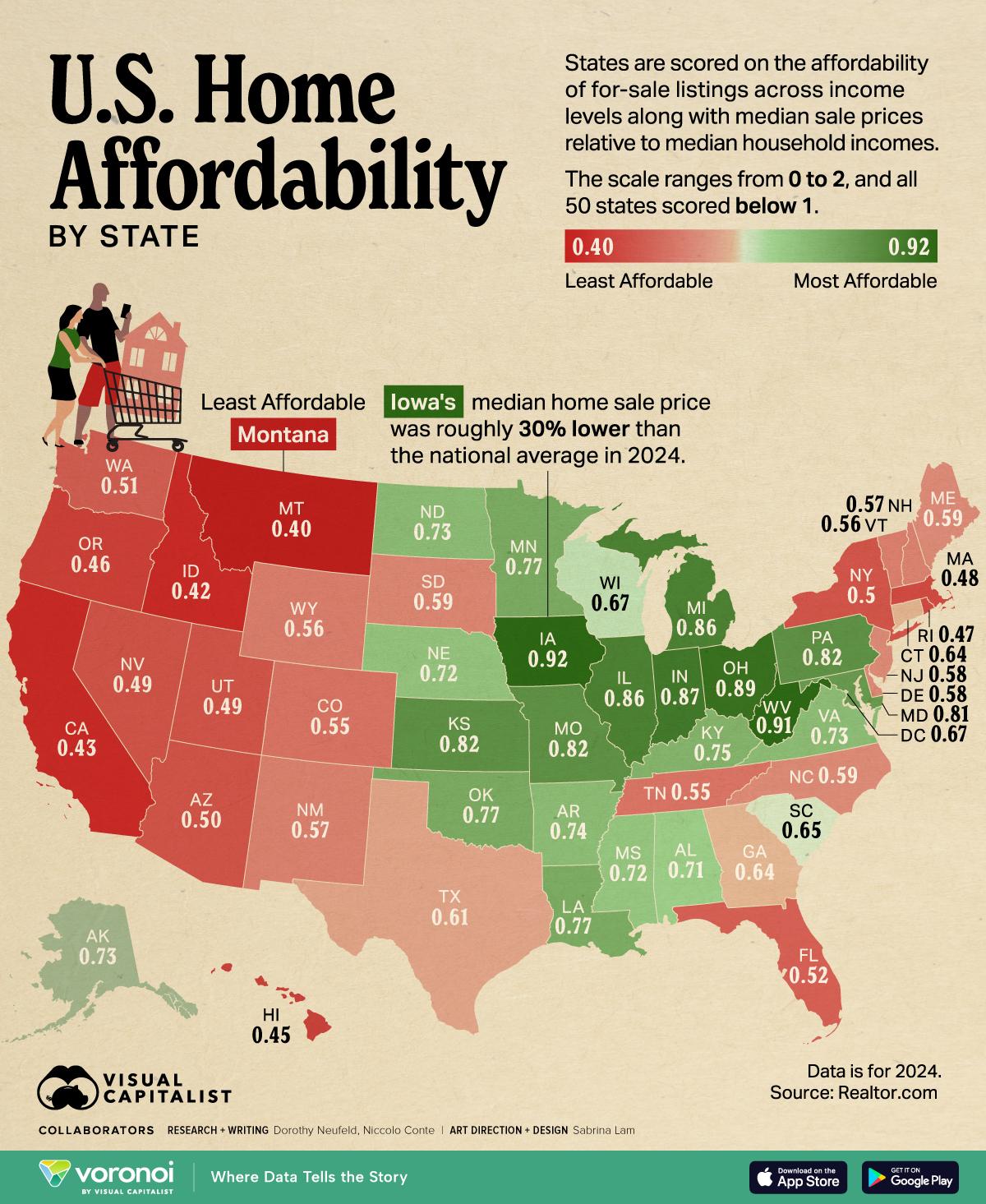
Introduction:
In recent years, the dream of homeownership has become increasingly elusive for many, reflecting a growing crisis in housing affordability that transcends geographic and socioeconomic boundaries. Rising property values, stagnant wages, and limited supply have exacerbated a situation that leaves a meaningful portion of the population grappling with the harsh reality of finding adequate and affordable housing. this phenomenon is not merely a localized issue; it’s a national crisis with rippling effects on communities, economies, and social structures. In this article, we will delve into the multifaceted challenges contributing to the housing affordability crisis today, explore its implications for individuals and families, and discuss potential solutions that coudl pave the way for a more equitable housing landscape. Join us as we navigate through the complexities of this pressing issue, shedding light on the urgent need for action and innovation in the housing sector.
Table of Contents
- understanding the Key Factors Behind the Housing affordability Crisis
- Examining the Impact of economic policies on Housing Markets
- Innovative solutions: How Communities Are Tackling Affordability Challenges
- Empowering Solutions: Recommendations for Policymakers and Homebuyers
- To Wrap It Up
Understanding the Key Factors Behind the Housing Affordability Crisis
The current housing affordability crisis is deeply rooted in a complex array of factors that converge to create a perfect storm for prospective homeowners and renters alike. One of the most significant contributors is the limited housing supply. As urbanization accelerates, cities face an increasingly difficult challenge: the demand for housing far exceeds the rate at which new properties can be developed. This imbalance often leads to escalating prices,pushing potential buyers and renters further from entering the market. Additionally, hurdles such as zoning restrictions and inadequate infrastructure exacerbate these challenges, making it harder to introduce new housing developments in desirable areas.
Another critical factor in this crisis is the rising cost of living, especially post-pandemic. Inflationary pressures have surged, affecting everyday commodities and housing-related expenses. With income growth failing to keep pace with inflation, many individuals find themselves in a precarious position, unable to allocate sufficient funds for housing.Furthermore, the interest rates have seen significant spikes, discouraging potential buyers and making mortgages increasingly unaffordable. The table below summarizes these pressing challenges:
| Factor | Impact |
|---|---|
| Limited Supply | Price surges due to high demand. |
| Zoning Restrictions | Barriers to new developments. |
| Cost of Living | dwindling disposable income for housing. |
| Interest Rates | Decreased accessibility to mortgages. |
Examining the impact of Economic Policies on Housing Markets
As governments worldwide strive to bolster their economies, the repercussions on housing markets can be profound and multifaceted. Various economic policies—be it interest rate adjustments, tax incentives, or housing regulations—play a pivotal role in shaping housing affordability.As a notable example, policies designed to stimulate economic growth can inadvertently led to rising demand for housing. This increase in demand often pushes prices upward, making homeownership out of reach for many potential buyers. Key factors include:
- Interest Rates: Low rates can boost purchasing power but may also inflate demand.
- Tax Credits: Incentives for homebuyers can drive up prices, benefiting sellers more than buyers.
- Zoning Laws: Restrictive regulations can limit supply, exacerbating affordability crises.
Moreover, unintended consequences often arise from well-meaning economic strategies. As an example, when governments implement quantitative easing, although it may provide short-term liquidity, it can also result in greater wealth disparity in real estate.Those already owning property see their assets appreciate rapidly, while first-time buyers find themselves on the sidelines. The following table summarizes some key impacts of different economic policies on housing markets:
| Policy | Effect on Housing Market | Potential Outcomes |
|---|---|---|
| Low Interest Rates | Increased demand for homes | Higher prices, affordability challenges |
| Tax Incentives | Enhanced buyer purchasing power | Price inflation, benefiting sellers |
| Zoning Reforms | Potential increase in housing supply | More affordable options, urban development |
Innovative Solutions: How Communities Are Tackling affordability Challenges
In response to escalating housing costs, communities across the globe are adopting innovative strategies that prioritize affordability and inclusivity. One transformative approach is the implementation of community land trusts (CLTs), which allow residents to collectively own land while keeping housing prices stable. This model not only fosters long-term affordability but also strengthens community ties through shared responsibility and engagement. as more cities explore this land ownership model, key benefits include:
- Stabilized Housing Costs: CLTs remove land speculation, ensuring housing remains affordable for future generations.
- Empowerment: By involving community members in decision-making, clts nurture a sense of ownership and pride.
- Environmental Sustainability: Many CLTs promote green spaces and eco-friendly housing practices.
Additionally, collaborations between local governments and nonprofit organizations are paving the way for innovative financing solutions. For example, inclusionary zoning requires a percentage of new developments to be affordable, concurrently increasing the housing stock and promoting diversity within neighborhoods. Another trend is the use of micro-units, small living spaces that cater to individuals seeking cost-effective solutions without sacrificing quality.This trend is reflected in the following table, showcasing the increasing adoption of these units in major cities:
| City | Percentage of Micro-Units in New Developments |
|---|---|
| New York | 25% |
| Los Angeles | 18% |
| Seattle | 22% |
| San Francisco | 30% |
Empowering Solutions: Recommendations for policymakers and Homebuyers
Addressing the housing affordability crisis requires a multifaceted approach that empowers both policymakers and homebuyers. For policymakers, it’s crucial to implement incentives for affordable housing development. By providing tax breaks or subsidies, local governments can encourage builders to prioritize low and moderate-income housing. Additionally, policymakers should consider reforms to zoning laws that often restrict the creation of multi-family units.This can increase the housing supply, making it easier for individuals to find homes within their budget. Collaboration with community organizations can also help identify specific local needs and tailor solutions accordingly.
On the homebuyer side, education and resources are key. Prospective homeowners should be aware of various financial assistance programs available, including down payment assistance and first-time homebuyer grants. Workshops and informational sessions can demystify the home-buying process, enabling buyers to make informed decisions. Furthermore, connecting homebuyers with trusted financial advisors or mortgage brokers ensures they receive personalized guidance. Providing a clear pathway to homeownership can considerably impact the ability of individuals and families to secure affordable housing in an increasingly competitive market.
To Wrap It Up
the rising crisis of housing affordability is not just a statistic; it’s a deeply affecting reality for millions of individuals and families across the globe. As we’ve explored in this article, various factors contribute to this multifaceted dilemma, from soaring real estate prices and stagnant wages to shifting urbanization patterns and policy shortcomings. Addressing this crisis requires a concerted effort from governments, private sectors, and communities alike. By prioritizing affordable housing initiatives, fostering sustainable urban development, and implementing inclusive policies, we can begin to mitigate the growing divide in housing accessibility.
As we move forward, it’s essential to stay informed, engaged, and proactive in advocating for solutions that ensure everyone has a place to call home. The road ahead may be challenging, but with collective determination and innovative ideas, we have the potential to turn the tide on this pressing issue. Let’s continue the conversation and work together towards a future where housing is a right, not a privilege. Thank you for joining us in this crucial dialog!