

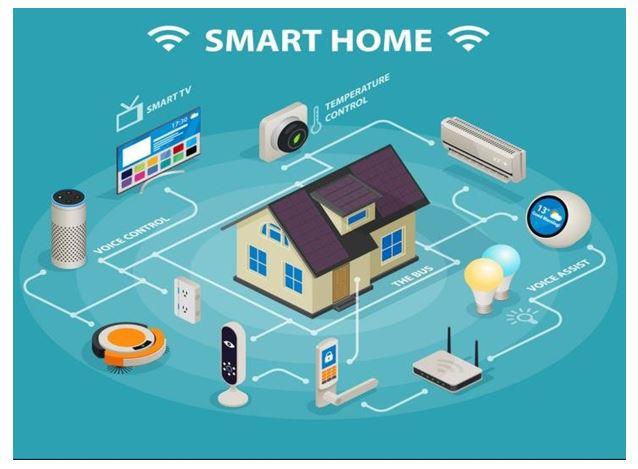
In recent years, the rapid evolution of smart home technology has initiated a profound transformation within the real estate landscape. As interconnected devices and advanced automation become increasingly prevalent in residential settings, they not only enhance the living experience but also generate a wealth of data that is reshaping how real estate professionals assess property value, market trends, and buyer behavior. This article aims to delve into the intersection of smart home integration and real estate analytics, exploring the implications of these technologies on property valuation techniques, investment strategies, and consumer preferences. By systematically analyzing the impact of smart homes, we will uncover new dimensions of data-driven decision-making in real estate, offering valuable insights for industry stakeholders seeking to navigate the complexities of an increasingly digital marketplace. Through this exploration, we will highlight both the challenges and opportunities presented by smart home technologies as they redefine the future of real estate analytics.
Table of Contents
- understanding Smart Home Technologies and Their Integration in Real Estate
- Evaluating the Influence of Smart Home Features on Property Valuation
- data-Driven Insights: Harnessing Analytics for Enhanced Real Estate Decision-Making
- Strategic Recommendations for Stakeholders in Smart Home Integration and Market Adaptation
- Concluding Remarks
Understanding Smart Home Technologies and Their Integration in Real Estate
As smart home technologies gain traction, their integration into real estate is transforming the way properties are analyzed and valued. Smart devices, such as thermostats, security systems, and lighting controls, not only enhance the living experience but also collect valuable data that can influence market trends. These devices offer insight into energy efficiency, security features, and user preferences, thus enabling real estate professionals to assess property value through a more data-driven approach. For example, the integration of a smart home helps to attract potential buyers by demonstrating the value of modern conveniences and sustainability.
Moreover, the influx of data generated by smart home technologies provides a new layer of analytics, allowing for a more nuanced understanding of buyer behavior. Market analysts can now utilize smart technology data to predict trends and determine the desirability of certain features. The emerging analytical frameworks include aspects such as:
- Energy Consumption Patterns – Understanding how energy-efficient a home is.
- Security Features – Evaluating the impact of advanced security systems on home desirability.
- User Engagement - Analyzing how often residents interact with home automation systems.
This complete outlook not only aids in property evaluation but also informs developers and real estate investors about what features are worth incorporating into future projects,effectively guiding market decisions.
Evaluating the Influence of Smart home Features on Property Valuation
The increasing prevalence of smart home technologies is reshaping property valuation methodologies across the real estate sector. Homebuyers are increasingly seeking properties with integrated smart features that enhance convenience, security, and energy efficiency. Consequently, properties equipped with smart devices often command higher market prices. Key smart home features that influence valuation include:
- Smart security systems
- automated lighting and climate control
- Energy management tools
- Smart appliances
These features not only improve the living experience but also promise long-term savings, which can led to a premium during the sale process. A comprehensive analysis reveals that homes with these technologies may sell for 5% to 15% more than comparable properties without smart features, reflecting buyer willingness to invest in modern conveniences.
to quantify the impact of smart features on property valuation, real estate analysts are increasingly employing data analytics tools.By considering factors such as energy efficiency ratings and automated systems, they construct valuation models that capture not only the intrinsic value of properties but also the premium associated with technology-driven upgrades. The following table illustrates average valuation increases attributed to specific smart home technologies:
| Smart Home Feature | average Property Value Increase |
|---|---|
| Smart Security System | +10% |
| Energy Management Tools | +12% |
| Automated Climate Control | +8% |
| Smart Appliances | +5% |
By distilling this data, real estate professionals can better advise sellers on how to leverage smart home enhancements to optimize their property’s market position.
Data-Driven Insights: Harnessing analytics for Enhanced Real Estate Decision-Making
The rise of smart homes has dramatically transformed the landscape of real estate analytics, enabling stakeholders to make more data-driven decisions than ever before. By integrating IoT (Internet of Things) devices,smart homes generate a wealth of data that can provide insights into consumer behaviors and preferences. This data can be analyzed to identify trends, such as:
- Energy consumption Patterns: Understanding how homeowners use energy allows for improved property valuations and marketing strategies.
- smart Home Technology Adoption: Insights into which technologies are more popular can guide developers in future home designs.
- Neighborhood Analytics: Aggregating data from multiple homes can offer a macro view of community trends and amenities that potential buyers desire.
moreover, predictive analytics derived from smart home data can enhance investment strategies. Real estate professionals can leverage advanced algorithms to assess potential risks and returns. A practical approach involves creating a comparative analysis that highlights:
| Metric | Conventional Homes | smart Homes |
|---|---|---|
| Market Thankfulness Rate | 3% annually | 5% annually |
| Occupancy Rate | 85% | 92% |
| Customer Satisfaction Score | 75/100 | 90/100 |
This juxtaposition emphasizes how smart technology not only enhances living comfort but also provides a financial edge to prospective homebuyers and investors, ultimately reshaping the future of real estate analytics.
Strategic Recommendations for Stakeholders in Smart Home Integration and Market Adaptation
To maximize the advantages offered by smart home technology while navigating the evolving market landscape, stakeholders should focus on fostering collaboration across various sectors. Real estate developers and tech companies must come together to establish integrated solutions that enhance property appeal. This collaboration could involve joint ventures aimed at promoting smart home certification programs, which would educate consumers on the benefits of these technologies. By leveraging data analytics, stakeholders can pinpoint trends in consumer preferences, thereby aligning product offerings with market demand and ensuring profitability. Regular workshops and seminars should be organized to keep all parties informed about innovations, regulatory changes, and market developments.
Additionally, stakeholders need to pivot their marketing strategies to highlight the sustainability and efficiency angles of smart homes. Potential buyers are increasingly aware of energy consumption and environmental impact; thus, emphasizing how smart technologies contribute to energy savings should feature prominently in promotional campaigns. To support these efforts, a clear framework for evaluating the return on investment (ROI) associated with smart home installations is essential. Below is a concise overview of key performance indicators (KPIs) that stakeholders might consider:
| Performance Indicator | Description |
|---|---|
| Energy Efficiency Savings | Reduction in utility costs due to smart technologies. |
| User Adoption Rate | Percentage of homeowners utilizing smart devices post-installation. |
| Property Value Increase | Change in market value attributable to smart home features. |
Concluding Remarks
the integration of smart home technology is poised to significantly reshape the landscape of real estate analytics. As we have explored, the data generated by smart devices not only offers insights into consumer preferences and behaviors but also enhances property valuation models and investment strategies. The convergence of IoT technology with real estate analytics enables a more nuanced understanding of property management, energy efficiency, and market trends.
as stakeholders in the real estate sector—developers, investors, and analysts alike—adapt to these technological advancements, it will be essential to develop robust frameworks that can handle the complexity and volume of data produced by smart homes.Future research should prioritize the exploration of privacy implications and the integration of emerging technologies, such as AI and machine learning, to further enhance predictive analytics in this dynamic domain.
Ultimately, as smart home systems become more ubiquitous, their influence on real estate analytics will not only redefine property valuation and investment criteria but also transform the overall consumer experience. Embracing these changes will be crucial for industry professionals aiming to remain competitive in an increasingly data-driven market. The future of real estate analytics lies in our ability to harness the power of technology and adapt to the evolving demands of homebuyers and sellers alike.