

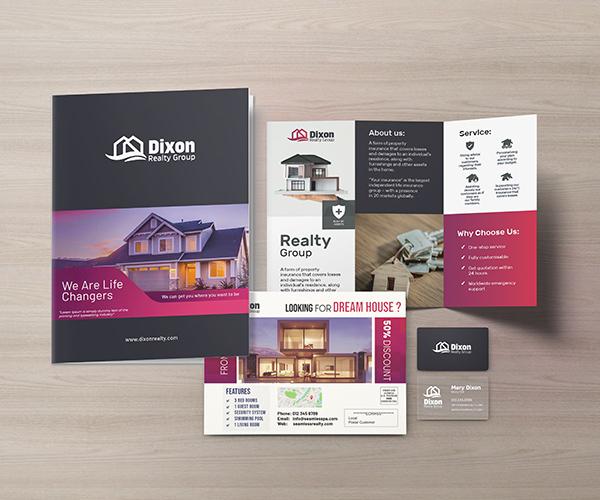
In the highly competitive landscape of real estate, where countless agents and agencies vie for the attention of potential buyers and sellers, effective branding has emerged as a cornerstone of enduring success. Branding transcends mere logos or slogans; it encompasses the entire perception that clients have of a business, including its values, reputation, and the emotional connections it fosters. As the industry becomes increasingly digital and consumer-centric,establishing a strong brand identity is not merely advantageous,but essential. This article delves into the multifaceted role that branding plays in real estate, examining how it shapes client relationships, influences market perception, and drives sustained growth. By understanding the meaning of branding, real estate professionals can position themselves strategically in a crowded marketplace, ultimately paving the way for long-term success.
Table of Contents
- Understanding the Foundations of Real Estate Branding
- Crafting a Unique Brand Identity for Market Differentiation
- Strategies for building Trust and Credibility in Real Estate
- Leveraging digital Platforms for Brand Amplification and engagement
- Insights and Conclusions
Understanding the Foundations of Real Estate Branding
In the competitive landscape of real estate, establishing a strong brand identity is paramount to differentiating oneself from the multitude of agents and agencies. A compelling brand conveys trust,expertise,and credibility,allowing potential clients to feel confident in their choice of representation. By clearly defining your mission, vision, and values, you can cultivate a brand that resonates with your target audience. integration of elements such as an engaging logo, cohesive color palettes, and articulate messaging creates a visual and emotional connection that can substantially enhance client engagement.
Moreover, successful branding goes beyond mere aesthetics; it encompasses the entire customer experience. Key aspects to consider include:
- Consistent interaction: Maintain a uniform message across all platforms, whether social media, website, or print advertising.
- visual Identity: Develop a recognizable logo and design theme that reflects your brand personality.
- Client Testimonials: Leverage authentic feedback to build credibility and convey the value of your services.
To quantify your branding efforts, consider the following factors that can illustrate the impact of solid branding:
| Branding Factor | Importance Level |
|---|---|
| Client Retention | High |
| Referral Rates | medium |
| Market Awareness | High |
Crafting a Unique Brand Identity for Market Differentiation
In the crowded realm of real estate, establishing a distinctive brand identity is essential for standing out amidst fierce competition. Your brand identity encapsulates the essence of your business, including its values, mission, and customer experience. To create a compelling identity, consider incorporating elements such as:
- Visual Language: Use colors, logos, and fonts that resonate with your target audience and reflect your brand personality.
- Consistent Messaging: Craft a unique value proposition that clearly communicates what sets you apart.
- Customer Experience: Foster relationships that leave a lasting impression, aligning your service delivery with your brand promise.
Utilizing storytelling can further enrich your brand identity,allowing potential clients to connect with your story and values on a deeper level. Authentic narratives that showcase your journey help build trust and rapport.A well-defined brand identity also presents a unified front, enhancing recognition and fostering loyalty. For effective brand differentiation, consider analyzing the following:
| Factor | Impact on Branding |
|---|---|
| Unique Selling Points | Highlighting what makes your service unique increases perceived value. |
| Target Audience | Understanding and catering to specific needs enhances relevance. |
| Market Trends | Staying ahead of trends keeps your brand modern and appealing. |
Strategies for Building Trust and Credibility in Real Estate
Establishing trust and credibility in the real estate sector is essential for long-term success. Clients are more likely to engage with professionals they perceive as reliable. To enhance trust, consider implementing the following strategies:
- Transparency: Be open about your processes, fees, and any potential conflicts of interest. Provide clear documentation that supports your claims.
- Consistent Communication: Engage with clients regularly through emails, newsletters, and social media updates. this shows that you are dedicated and available.
- Client Testimonials: Display positive reviews and case studies prominently. Real stories from satisfied clients can significantly enhance your credibility.
- Professional Development: continuously improve your skills and knowledge through training and certifications. Staying informed about market trends shows commitment to your profession.
Another effective approach is to foster personal connections with clients. Consider the following methods:
- networking: Attend industry events and local gatherings to meet potential clients and peers.Building relationships in person can often facilitate trust.
- Personal Branding: Develop a unique brand identity that reflects your values and services. Ensure your online presence, from your website to social media profiles, is cohesive and professional.
- Responsive Customer Service: Be prompt and courteous in addressing inquiries and concerns. This demonstrates your commitment to client satisfaction.
| Trust-Building Strategies | Key Benefits |
|---|---|
| Transparency | Encourages open dialog and reduces misunderstandings. |
| Consistent Communication | Builds rapport and keeps clients engaged. |
| Client Testimonials | validates your expertise through social proof. |
| Personal Branding | Distinct identity strengthens recognition and trust. |
leveraging Digital Platforms for Brand Amplification and Engagement
In today’s digital landscape, real estate professionals can significantly enhance their brand visibility and engagement through the strategic use of various online platforms. Social media, blogs, and email marketing are just a few avenues that can be harnessed to create a compelling brand narrative. By sharing market insights, neighborhood highlights, and client testimonials, agents can cultivate a sense of community and foster trust.Moreover, utilizing visual content such as high-quality photos and videos can showcase properties effectively, increasing the likelihood of engagement from potential buyers and sellers alike.Here are some essential strategies to consider:
- Engage Consistently: Regular posting keeps your audience informed and interested.
- Utilize Hashtags: Use relevant hashtags on social media to reach broader audiences.
- Encourage User-Generated Content: Invite clients to share their stories and experiences.
To amplify these efforts, real estate brands can employ targeted advertising on platforms such as Facebook and Instagram, reaching specific demographics that align with their market goals. A well-designed landing page, optimized for conversions, can serve as a hub for digital traffic, capturing leads and nurturing them with valuable content. Below is a simple comparison of various platforms and their unique benefits:
| Platform | Benefits |
|---|---|
| wide reach, community engagement, targeted ads | |
| Visual storytelling, high engagement rates, younger audience | |
| Professional networking, B2B opportunities, industry influence | |
| Blogging | Thought leadership, SEO benefits, long-form content flexibility |
Insights and Conclusions
the importance of branding in the real estate sector cannot be overstated. As we have explored, a well-crafted brand serves as the foundation for establishing trust, differentiating from competitors, and fostering lasting relationships with clients. In an industry where perceptions can shift rapidly, a strong brand identity not only enhances visibility but also cultivates loyalty and credibility.
Real estate professionals who prioritize branding are better positioned to navigate market fluctuations, attract the right clientele, and ultimately, drive sales. By investing time and resources into building a cohesive and authentic brand, you equip yourself with the tools necessary for long-term success in this competitive landscape.
As you move forward in your real estate journey, remember that your brand is more than just a logo or a tagline; it is the essence of your business. Harness it wisely, and allow it to be a guiding force in achieving your professional goals. Embrace the opportunities that effective branding can bring, and watch as it transforms your enterprise into a trusted authority in the real estate market.