

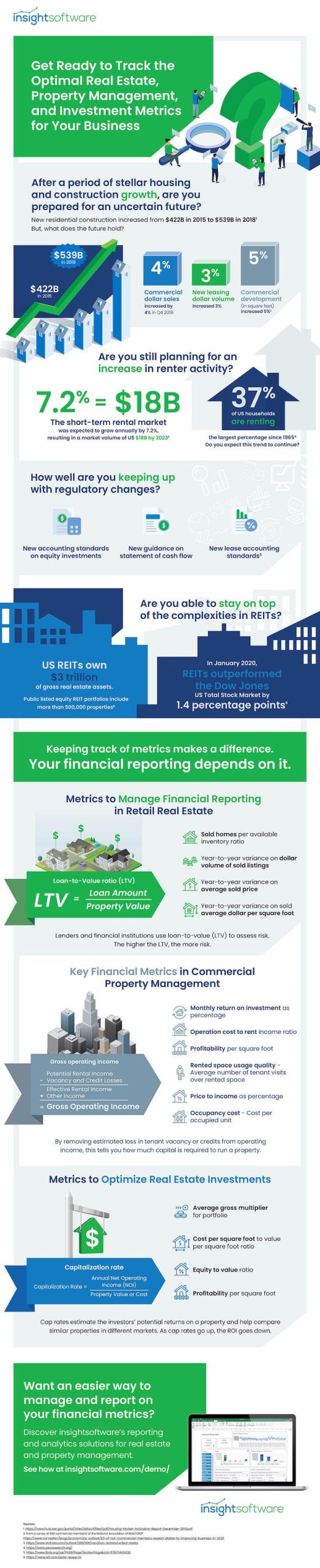
In the competitive landscape of real estate investing, success is driven by informed decision-making and a keen understanding of critical metrics. Whether you are a seasoned investor or just begining your journey, grasping the essential metrics that gauge property performance and market dynamics is paramount. These metrics not only provide insights into the potential profitability of investments, but they also enable investors to navigate the complexities of the real estate market with confidence. This article delves into the key metrics every real estate investor must understand, offering a extensive overview that equips you with the knowledge to make strategic investment choices and optimize your portfolio for long-term success. Embrace the power of data-driven decision-making and elevate your investment strategy to new heights.
Table of Contents
- Key Performance Indicators for real Estate Investment Success
- Evaluating Cash Flow and Its Impact on Investment Viability
- understanding Capitalization Rates and Their Role in Property Valuation
- The Importance of Market Trends in Shaping Investment Strategies
- Wrapping Up
Key Performance Indicators for Real Estate Investment success
For any real estate investor, understanding key performance indicators (KPIs) is essential to measure the health and success of their investments. Among these metrics, one cannot underestimate the importance of return on investment (ROI), which quantifies the profit generated relative to the costs incurred. Other critical indicators include cash flow, representing the net amount of cash being transferred into and out of an investment, and cap rate, which helps in assessing the profitability of income-producing properties by considering the net operating income (NOI) against the property’s purchase price.
To make informed decisions, investors should also track occupancy rates, as they reflect the percentage of rented or used space within a property and indicate demand levels. additionally,measuring price per square foot provides insights into property valuation and potential gratitude. Lastly, internal rate of return (IRR) offers a comprehensive view of an investment’s profitability over time, incorporating the time value of money in its calculation. Below is a simple comparison table illustrating these vital metrics:
| Metric | description | Importance |
|---|---|---|
| ROI | Profit relative to costs | Measures overall effectiveness |
| Cash Flow | Net cash movement | Indicates liquidity |
| Cap Rate | NOI vs. property price | Evaluates profitability |
| Occupancy Rate | Percentage of space rented | Shows demand levels |
| Price/SF | Valuation metric | Insights into market trends |
| IRR | Profitability over time | Comprehensive returns evaluation |
Evaluating Cash Flow and Its Impact on Investment Viability
Understanding cash flow is paramount for any real estate investor aiming to make informed decisions. Cash flow is essentially the net amount of cash being transferred in and out of an investment, which directly affects its viability. When analyzing potential investments, meticulous attention should be paid to the following factors:
- Operating Expenses: Regular costs required to maintain the property, including repairs, property management fees, and utilities.
- Income Potential: Projected rental income based on local market conditions and property valuation.
- Financing Costs: Monthly mortgage payments or interest rates that can significantly impact cash flow.
Analyzing cash flow can help identify viable opportunities and prevent costly pitfalls. Investors should consider creating a cash flow projection table to visualize potential earnings against expenditures.A simple example might include:
| category | Monthly Amount |
|---|---|
| Rental Income | $2,500 |
| Operating Expenses | -$800 |
| Mortgage Payment | -$1,200 |
| Net Cash Flow | $500 |
By evaluating net cash flow,investors can ascertain the sustainability of their investments,allowing for data-driven decisions regarding reinvestment,diversification,or even property divestment. A positive cash flow indicate that the investment is in a healthy position,potentially unlocking future growth opportunities.
Understanding Capitalization Rates and Their Role in Property Valuation
Capitalization rates, often referred to as cap rates, serve as a crucial metric in the realm of property valuation. This ratio, calculated by dividing the net operating income (NOI) of a property by its current market value, reflects the expected rate of return on an investment. Investors utilize cap rates to assess the potential profitability of various real estate investments, allowing for an objective comparison across diverse property types. A higher cap rate generally indicates a potentially greater return on investment, but it may also reflect higher risk associated with the property. Therefore, understanding the nuances of cap rates can significantly influence investment decisions.
When evaluating investment opportunities, it’s essential to consider several factors that affect cap rates, including:
- Location: Urban properties may have lower cap rates due to high demand, while rural areas might offer higher cap rates reflecting higher risk.
- Market Conditions: Economic shifts and real estate trends can impact the desirability of a property, influencing its cap rate.
- Property Class: Class A properties, which are frequently enough luxury or high-end, generally have lower cap rates compared to Class B or C properties with potential for appreciation.
By thoroughly analyzing these aspects, investors can better interpret cap rates and make informed decisions regarding property acquisition and management. Below is a simplified table to illustrate various cap rate scenarios:
| Property Type | market Value ($) | Net Operating Income ($) | cap Rate (%) |
|---|---|---|---|
| luxury Apartment | 1,000,000 | 80,000 | 8.0 |
| Suburban Retail Center | 500,000 | 50,000 | 10.0 |
| Urban Office Building | 2,000,000 | 120,000 | 6.0 |
The Importance of Market Trends in Shaping Investment Strategies
Understanding market trends is essential for real estate investors looking to make informed decisions.these trends provide valuable insights into the current state and future directions of the market, helping investors identify potential opportunities and risks. By analyzing shifts in demographics, economic indicators, and consumer preferences, investors can better position their strategies to capitalize on emerging markets. Key factors that influence market trends include:
- Interest Rates: Fluctuations can significantly affect borrowing costs and property demand.
- Employment Rates: Higher employment levels usually indicate economic stability, boosting housing demand.
- Housing Inventory: Limited supply may lead to increased competition and higher property values.
- Urban Growth: Revitalization projects can surge interest in a specific area.
By closely monitoring these indicators, investors can adapt their strategies accordingly. For instance, a sudden spike in interest rates might prompt a shift from buying properties to renting them out until the market stabilizes. Furthermore, an understanding of historical market trends allows investors to make data-driven predictions about future movements. The following table summarizes vital metrics to track:
| Metric | Importance |
|---|---|
| Median Home Price | Indicates market value and trends in buyer behavior. |
| Days on Market | Reflects demand and pricing strategies. |
| Rental Yield | Assesses the profitability of investment properties. |
| Local Economic Growth | Signifies overall market health and potential appreciation. |
wrapping Up
mastering the fundamental metrics of real estate investing is crucial for anyone looking to succeed in this competitive field. By understanding key indicators such as cash flow, capitalization rates, and return on investment, you position yourself to make informed decisions that can significantly impact your portfolio’s performance.Armed with this knowledge, you’ll not only enhance your investment strategy but also boost your confidence in navigating market fluctuations. As you continue your journey in real estate, remember that data-driven insights and a solid grasp of these essential metrics will be your most valuable assets. Stay informed, remain adaptable, and leverage these principles to unlock the full potential of your investment endeavors.