

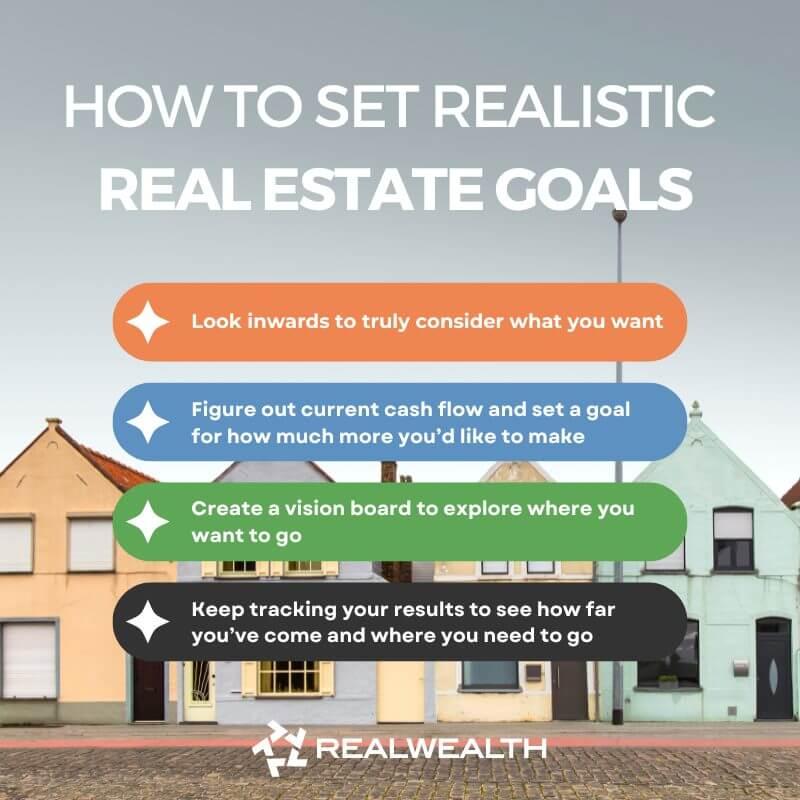
In the dynamic landscape of real estate, the ability to set and achieve realistic goals is crucial for success. Whether you are a seasoned investor, a first-time homebuyer, or a real estate professional, understanding the strategic approaches to goal setting can substantially impact your outcomes. This article will explore essential frameworks and methodologies for establishing attainable real estate objectives, aligning them with market realities and personal aspirations. By harnessing analytical insights and practical tools, stakeholders in the real estate sector can navigate challenges effectively, leverage opportunities, and ultimately drive growth in their endeavors. Join us as we delve into the intricacies of goal-setting in real estate,equipping you with the knowledge to transform ambitions into actionable plans.
Table of Contents
- Understanding Market Trends to Inform Goal Setting
- Defining SMART Goals for Real Estate Success
- utilizing Financial Metrics for Effective Progress Tracking
- Leveraging technology and Tools for Strategic Planning
- Concluding Remarks
Understanding Market Trends to Inform Goal Setting
To set meaningful and achievable goals within the real estate market, it is crucial to analyse prevailing market trends.Understanding these trends allows professionals to pinpoint opportunities and potential risks that may impact their objectives. Some of the key aspects to consider include:
- Market Supply and Demand: assessing the balance between available properties and buyer interest can provide insights into price trends.
- Economic indicators: Monitoring interest rates, employment rates, and economic growth can definitely help predict shifts in the real estate market.
- Neighborhood Dynamics: Investigating localized market trends reveals insights into emerging areas and upcoming developments.
By integrating the analysis of these factors into goal-setting processes,real estate professionals can create targeted strategies that align with market conditions. For instance, leveraging a table to compare different regions may highlight areas with greater investment potential:
| Region | Average Price Growth (Last Year) | Vacancy Rate | Future Growth Plans |
|---|---|---|---|
| Downtown | 8% | 4% | New commercial spaces |
| Suburban Area | 5% | 6% | Residential expansion |
| Rural Zone | 3% | 10% | None |
Utilizing this data-driven approach allows for realistic goal setting that remains flexible to market changes.By regularly revisiting these trends and adjusting their objectives, real estate professionals can navigate the market effectively and position themselves for sustained success.
Defining SMART Goals for Real estate Success
Setting effective goals in the real estate market requires a structured approach to ensure they are both attainable and measurable. The foundation of this approach is the SMART criteria, which stands for Specific, Measurable, Achievable, Relevant, and Time-bound. Each component prompts you to define your objectives clearly. As an example, instead of stating “I want to sell properties,” a SMART goal would be, “I aim to sell five properties in the downtown area by the end of Q2, with a minimum selling price of $300,000 each.” This specific focus allows agents to tailor their strategies effectively and allocate resources where they can yield the most return.
Moreover, as you create your goals, consider categorizing them into short-term and long-term objectives. This approach helps in maintaining motivation and tracking progress along the way. Organizing your goals into a table can clarify your priorities and timelines.Here’s a simplified example of how to structure these goals:
| goal Type | Specific Goal | Deadline |
|---|---|---|
| short-term | Host two open houses per month | End of this quarter |
| Long-term | Expand client base by 20% | Within one year |
Each goal defined in this manner not only serves as a clear objective but also keeps you accountable in your real estate ventures. Regularly reviewing and adjusting your goals based on performance will ensure that you stay aligned with market trends and personal ambitions.
Utilizing Financial Metrics for Effective progress Tracking
To successfully track progress in your real estate ventures, it is indeed critical to leverage various financial metrics that provide valuable insights into performance. Key indicators such as cash flow, return on investment (ROI), and net operating income (NOI) serve as barometers for your financial health. Regularly monitoring these metrics allows you to pinpoint areas needing improvement, validate decision-making processes, and justify investments.By establishing a routine for reviewing these financial indicators—be it monthly or quarterly—you position yourself to adapt your strategies in real-time, ensuring your goals remain achievable and aligned with market conditions.
Furthermore, integrating visual dashboards can enhance your ability to interpret these financial metrics swiftly. Utilize tools that consolidate your data into accessible formats, such as charts and graphs, for a clearer understanding of your investment trajectory. For example, consider implementing a table to summarize your financial metrics related to different properties:
| Property | Cash Flow | ROI | NOI |
|---|---|---|---|
| Property A | $1,500 | 12% | $3,000 |
| property B | $900 | 9% | $2,200 |
| Property C | $2,200 | 15% | $4,500 |
By systematically analyzing these financial results, you can make informed decisions that shape your investment portfolio’s future, ensuring that your ambitions in real estate are both pragmatic and actionable.
Leveraging Technology and Tools for Strategic Planning
In today’s fast-paced real estate landscape,embracing the right technologies can be a game changer for achieving strategic goals. By harnessing advanced tools and platforms, real estate professionals can enhance their planning processes through data analysis and market predictions. Implementation of software solutions like CRM systems, project management tools, and market analytics platforms allows for a more focused approach to setting and achieving realistic objectives. Furthermore, utilizing technologies such as virtual reality for property tours or drones for surveying can significantly aid in understanding market dynamics while improving client engagement.
To effectively integrate technology into strategic planning, it’s crucial to evaluate the needs of your business and align them with the available tools. Here are some essential aspects to consider:
- Data Management: Utilize tools for data collection and visualization to better understand market trends.
- Collaboration Platforms: Equip teams with tools like Slack or Trello to ensure seamless communication and project tracking.
- Financial Management Software: Leverage accounting tools that offer forecasts and budgeting features tailored for real estate.
By systematically employing these technologies, professionals can not only strengthen their planning processes but also ensure that their strategies are rooted in solid, actionable insights. Below is an overview of some common tools and their strategic benefits:
| Tool | Purpose | Benefit |
|---|---|---|
| CRM System | Manage client relationships | improved client retention and engagement |
| Analytics Software | Market analysis | Data-driven decision making |
| Project Management Tool | Coordinate team tasks | Enhanced efficiency and accountability |
Concluding Remarks
setting realistic real estate goals is not merely an exercise in planning; it is a strategic imperative that can define the trajectory of your career or investment portfolio. By adopting a methodical approach that incorporates market analysis, personal financial assessments, and achievable timelines, you position yourself for sustained success in a dynamic industry.
As you reflect on the insights outlined in this article, remember that the path to success is rarely linear. Embrace flexibility, analyze your progress regularly, and be willing to recalibrate your strategies as necessary. With a clear vision and a disciplined approach, you will not only set realistic goals but also achieve them, paving the way for long-term growth and prosperity in real estate.
thank you for investing your time in this exploration of effective goal-setting. We encourage you to engage with your peers, share your experiences, and continue learning as you navigate the ever-evolving landscape of real estate. Your journey towards success is just beginning.