

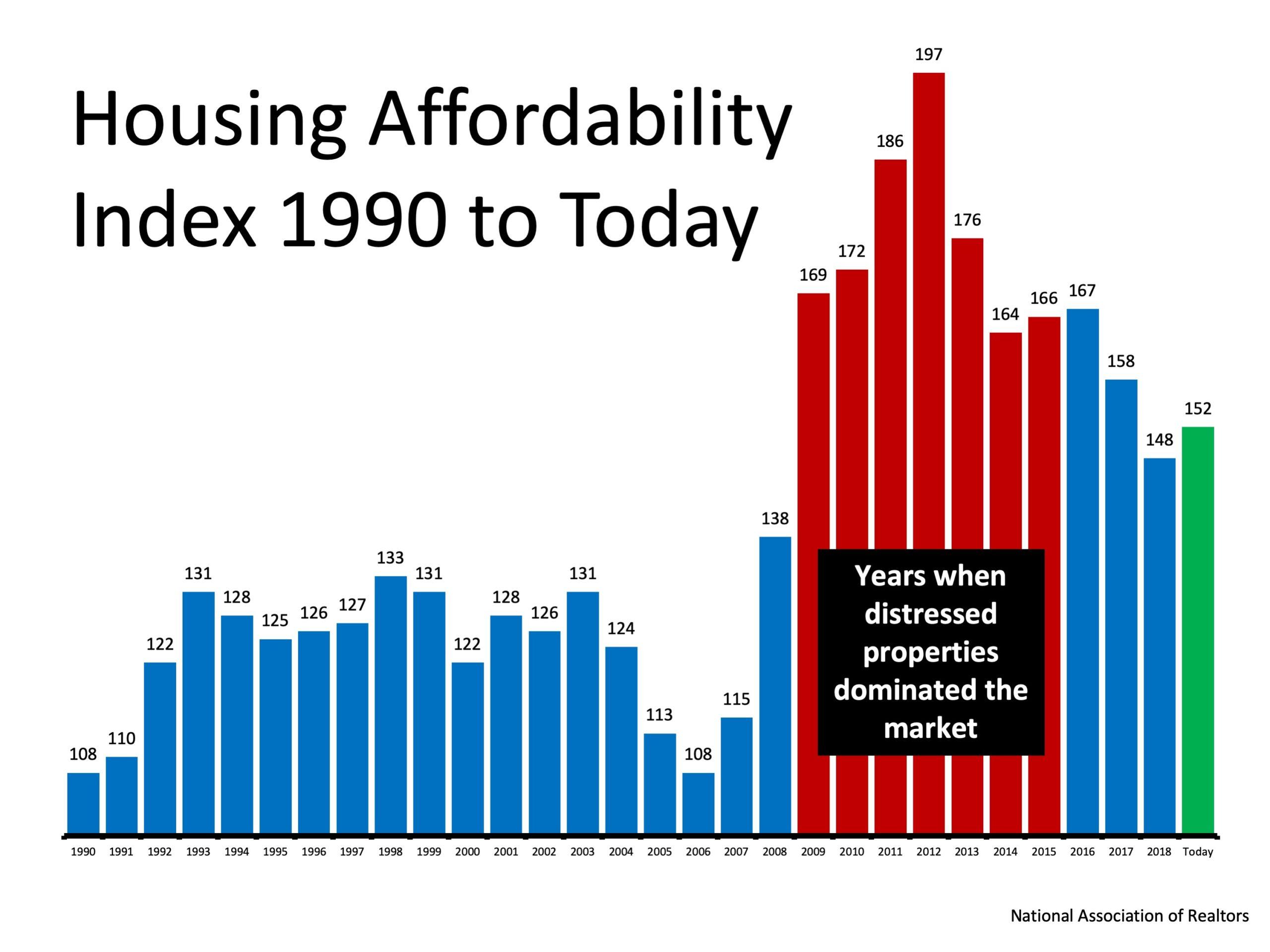
In recent years, the issue of housing affordability has emerged as a critical topic of discussion across cities and communities worldwide. As urban populations swell and housing markets shift dramatically, many individuals and families find themselves grappling with the harsh realities of skyrocketing rents and home prices. This situation has not only impacted those seeking to buy their first home but has also raised alarms among policymakers, economists, and advocates who worry about the long-term repercussions of this growing crisis. In this article, we will delve into the multifaceted factors contributing to the increasing concerns around housing affordability, explore its implications for various demographics, and discuss potential strategies to address this pressing challenge. Join us as we unpack the complexities of housing affordability and examine what can be done to ensure that safe, stable, and affordable housing remains within reach for all.
Table of Contents
- Exploring the Driving Factors Behind Housing Affordability Challenges
- Evaluating the Impact of Government Policies on Housing Markets
- Innovative Solutions: Strategies for Making Housing More Affordable
- Community Engagement: The Role of Local Organizations in addressing Housing Issues
- The Way Forward
Exploring the Driving Factors Behind Housing Affordability Challenges
Housing affordability challenges are multifaceted, influenced by a combination of economic, social, and governmental factors. Increased demand for housing has contributed substantially to the crisis, fueled by urban migration as individuals seek better job opportunities and amenities in metropolitan areas. This influx often outpaces housing supply, driving prices upwards. Additionally, income stagnation amidst rising living costs creates a disparity, where potential homeowners find themselves unable to keep up with escalating property values.Factors such as limited access to credit and high-interest rates further complicate this landscape, restricting the ability for many to finance home purchases.
Government policies and regulations also play a pivotal role in shaping housing markets. Zoning laws can either restrict or enable new housing developments, thus impacting supply. Areas with stringent regulations often experience a slowdown in construction, exacerbating shortages. Moreover, the availability of affordable housing initiatives can vary widely, determined by local governance and funding. Programs aimed at subsidizing housing costs or providing financial assistance to first-time buyers are crucial, yet their effectiveness can be hampered by bureaucratic barriers or insufficient resources. Understanding these driving factors is essential for stakeholders seeking viable solutions to address the growing concerns surrounding housing affordability.
Evaluating the impact of Government Policies on Housing Markets
The influence of government policies on housing markets is a critical factor in understanding the current landscape of housing affordability. Policymakers implement various measures that can either alleviate or exacerbate housing challenges. Key policies shaping the market include:
- Tax Incentives: Subsidies and tax deductions for first-time homebuyers can stimulate demand but may also drive prices up.
- Zoning Regulations: Strict zoning laws can limit available land for development, resulting in reduced housing supply.
- Interest Rates: Government-set interest rates impact mortgage affordability directly, affecting buyers’ purchasing power.
moreover, it’s essential to examine how housing assistance programs contribute to market dynamics. Programs may include:
| Assistance Type | Description |
|---|---|
| Rent Control | Keeps housing costs stable for low-income renters but may discourage new construction. |
| Homebuyer Assistance | Financial aid programs aimed at helping low-income individuals purchase homes. |
| Tax Credits | Incentives for housing developers to build affordable units in urban areas. |
By analyzing these policies and their impacts, stakeholders can better understand how to navigate the complexities of housing affordability, tailoring responses to mitigate negative effects and enhance access for prospective homebuyers.
Innovative Solutions: Strategies for Making Housing More Affordable
Addressing the issue of housing affordability requires a multifaceted approach that incorporates innovative thinking and collaborative efforts among various stakeholders. Meaningful strategies include:
- Mixed-Income Housing Development: Implementing projects that integrate affordable housing options with market-rate units helps to create diverse communities while reducing the social stigma often associated with low-income housing.
- Community Land Trusts: Establishing nonprofit organizations that acquire land to create permanently affordable housing can empower communities by giving them control over their housing options.
- Increased Public-Private Partnerships: Encouraging collaboration between the government and private developers can drive innovation and lead to sustainable housing solutions that meet the needs of various income groups.
Moreover, policies aimed at zoning reform, tax incentives for affordable housing development, and investment in public transportation are crucial. A look at recent initiatives reveals:
| Initiative | Description | Impact |
|---|---|---|
| Accessory Dwelling Units (ADUs) | Permitting homeowners to build small units on their properties | Increases housing supply without extensive new development |
| Inclusionary Zoning | Requiring a portion of new developments to be affordable | Ensures affordable units in underserved areas |
| Housing Vouchers | Providing funding to support housing costs for low-income families | Directly reduces the financial burden on tenants |
Community Engagement: The Role of Local Organizations in addressing Housing Issues
Local organizations are at the forefront of tackling the multifaceted challenges posed by housing affordability. They serve as a crucial link between residents and decision-makers, offering resources and support to those most affected by rising rents and limited availability of safe housing. By organizing community meetings and forums, these organizations empower residents to voice their concerns and advocate for policy changes. Their initiatives frequently enough include:
- Workshops that educate individuals on tenant rights and responsibilities.
- Housing clinics providing access to legal assistance and financial counseling.
- Partnerships with local governments to develop affordable housing projects.
Moreover, local organizations frequently conduct research and publish reports that highlight housing trends and community needs.These studies can be instrumental in informing local policy and securing funding for housing initiatives. A snapshot of recent findings from various local organizations demonstrates the urgent need for intervention:
| Organization | Key Finding | Recommended Action |
|---|---|---|
| City Housing Alliance | Over 40% of residents are cost-burdened | Increase affordable housing stock |
| Neighborhood Revitalization Group | Rising evictions linked to job losses | Implement eviction prevention programs |
| Empowerment Initiative | community support networks reduce homelessness | Expand outreach services |
The Way Forward
As we navigate the complexities of housing affordability, it is clear that this multifaceted issue demands our attention and action. The rising concerns illustrate not only the economic ramifications but also the social implications that affect communities on a fundamental level. By fostering a dialog among policymakers, industry leaders, and citizens, we can work toward solutions that prioritize equitable access to housing for all.
addressing the challenges of housing affordability is not merely about analyzing numbers and trends; it’s about recognizing the people behind the statistics and ensuring that everyone has a place to call home. As we move forward, let’s commit to seeking innovative strategies and creating inclusive policies that address this pressing issue head-on. It’s time to take action and advocate for a future where quality housing is not a privilege, but a right for all. Thank you for joining us in this crucial conversation. Your insights and engagement can help shape a more affordable and sustainable housing landscape for generations to come.