

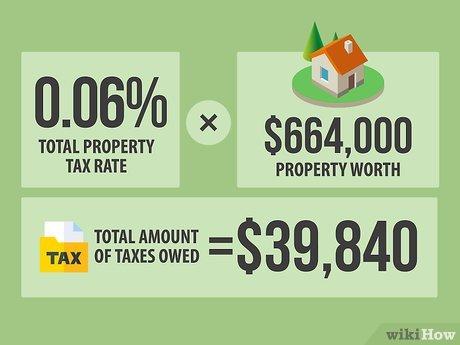
Property taxes represent a significant aspect of homeownership, impacting not only the affordability of housing but also local government funding for essential services such as education, public safety, and infrastructure maintenance. For many homeowners, the intricacies of property tax calculations can be a complex and often confusing topic. As tax season approaches, understanding how property taxes are determined becomes increasingly essential. This article aims to demystify the calculations involved in property taxation by exploring the basic components that influence tax assessments.From property valuation methods to tax rates and exemptions, we will provide homeowners with key insights to navigate this critical financial responsibility effectively. By equipping readers with this knowledge, we hope to empower them to make informed decisions and engage more effectively in discussions related to their property taxes.
Table of Contents
- Understanding the Components of property Tax Calculations
- Evaluating Assessed Value and Its Impact on Tax Obligations
- exploring Exemptions and Deductions for Homeowners
- Strategies for Managing and Reducing Property Tax Liabilities
- The Conclusion
Understanding the Components of Property Tax Calculations
Property tax calculations rely on several key components that determine how much a homeowner is required to pay.Understanding these components can demystify the process and help homeowners better manage their financial responsibilities.The primary factors that influence property tax include:
- Assessed Value: This is the estimated worth of your property as determined by the local assessor’s office, which may consider factors like location, improvements, and market trends.
- Tax Rate: Local governments set the tax rate, often expressed in mills (one mill equals one-thousandth of a dollar). This rate is applied to the assessed value to calculate owed taxes.
- Exemptions: Homeowners may qualify for various exemptions that can reduce their property tax burden, such as homestead exemptions or senior citizen deductions.
The interplay of these components can be illustrated in a simplified table, showcasing how a hypothetical property tax calculation works:
| Component | Details |
|---|---|
| Assessed Value | $300,000 |
| Tax Rate | 1.25% |
| Exemptions | Homestead ($25,000) |
| Total Tax Owed | $3,437.50 |
Evaluating Assessed Value and Its Impact on Tax Obligations
Understanding the assessed value of a property is essential for homeowners as it directly influences their tax obligations. The assessed value is typically determined by local tax assessors using a blend of factors, including property size, location, and recent sales of comparable properties in the area. This value forms the basis upon which property taxes are calculated, making it crucial for homeowners to comprehend how these figures are derived. Factors that can impact assessed value include:
- Market Trends: Fluctuations in the real estate market can lead to reassessments, which may raise or lower assessed values.
- Property Improvements: renovations or additions to a property can increase its assessed value, thus affecting tax obligations.
- Local Economy: Economic changes in the community, such as new businesses or infrastructure developments, can influence property assessments.
Homeowners may also want to keep an eye on how tax rates interact with assessed values to understand their overall financial picture better. Many municipalities provide a formula for calculating property taxes, typically expressed as:
| Assessment Rate | Assessed Value | Tax Rate | Annual Property Tax |
|---|---|---|---|
| 100% | $200,000 | 1.25% | $2,500 |
| 80% | $250,000 | 1.30% | $2,600 |
The interplay between these elements illustrates how a higher assessed value, combined with a steady tax rate, can significantly increase a homeowner’s annual tax burden. Therefore, staying informed about one’s assessed value and actively participating in tax assessment appeals can lead to substantial savings. Homeowners are encouraged to review their assessments regularly and engage with local officials if discrepancies arise.
Exploring Exemptions and Deductions for Homeowners
Homeowners can benefit significantly from various exemptions and deductions that can definitely help reduce their overall property tax burden. Understanding these options is crucial, as every dollar saved can contribute to better budgeting and financial planning. Common exemptions include:
- Homestead Exemption: Designed for primary residences, this exemption lowers the taxable value of your home.
- Senior Citizens Exemption: many states offer tax relief to homeowners who are aged 65 and older.
- Disabled Persons Exemption: Provides support to homeowners with documented disabilities.
- Veterans Exemption: Certain benefits are available for veterans and their families, frequently enough reducing taxable home values.
Additionally, property tax deductions may apply to specific situations, enhancing savings for eligible homeowners. Key deductions frequently enough include:
- Mortgage Interest Deduction: Homeowners can typically deduct interest paid on mortgage loans.
- Property Tax Deduction: State and local property taxes paid may also be deductible from federal income taxes.
- Home Office Deduction: If you use part of your home for business, you may qualify for this deduction.
| Exemption/Deduction | Eligibility Criteria |
|---|---|
| Homestead Exemption | Primary residence owners |
| Senior Citizens Exemption | Aged 65 or older |
| Disabled Persons Exemption | Documented disability |
| Mortgage Interest Deduction | Homeowners with a mortgage |
Strategies for Managing and Reducing Property Tax Liabilities
Managing and reducing property tax liabilities requires a proactive approach that combines understanding local tax laws, assessing your property’s value accurately, and leveraging available benefits. start by conducting a comprehensive evaluation of your property’s assessed value compared to its market value. If you believe your property is overvalued,consider filing an appeal with your local tax assessor’s office. Engaging a professional appraiser can provide evidence to support your case, helping to ensure your taxes align with current market conditions.
Additionally,homeowners should familiarize themselves with tax exemptions and deductions that may lower their overall liability. Common strategies include:
- Utilizing homestead exemptions that reduce the taxable value of your primary residence.
- Taking advantage of senior citizen exemptions or programs for veterans and individuals with disabilities.
- Participating in green tax incentives for energy-efficient home improvements.
By understanding these options, homeowners can effectively manage their tax responsibilities and potentially realize significant savings over time.
The Conclusion
understanding property tax calculations is essential for homeowners who wish to navigate the complexities of real estate ownership with confidence. By familiarizing yourself with the various factors that influence your property tax bill—such as the assessed value of your home, local tax rates, and any applicable exemptions—you can make informed decisions that may lead to financial savings.As property taxes play a vital role in funding local services and infrastructure, being proactive in understanding this process is not only beneficial for your own financial well-being but also contributes to the greater community. We hope this article has provided you with valuable insights and a clearer understanding of how property taxes are assessed and calculated. Should you have any questions or require further assistance, we encourage you to consult with local tax professionals or government offices to gain personalized guidance tailored to your specific situation.Thank you for taking the time to enhance your knowledge on this crucial aspect of homeownership.