

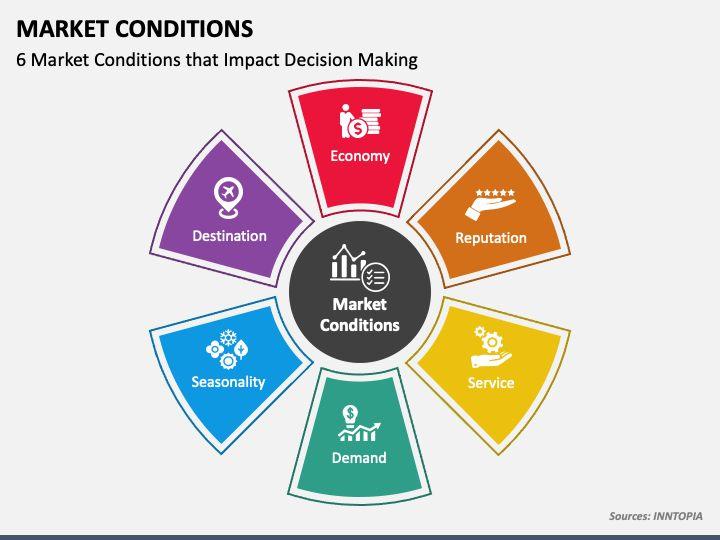
In an increasingly interconnected and dynamic economic landscape,the real estate sector remains a pivotal component of financial stability and growth. as market conditions evolve, so too does the landscape of real estate financing, which is intrinsically influenced by an array of factors including interest rates, economic indicators, demographic shifts, and regulatory changes.This article delves into the complex interplay between market conditions and real estate financing,providing a extensive analysis of how external economic variables shape financing strategies and investment decisions within the real estate domain. By examining current trends, ancient data, and predictive models, we aim to equip stakeholders—ranging from investors and developers to policymakers—with the insights necessary to navigate the complexities of real estate markets, ultimately fostering informed decision-making and sustainable investment practices.
Table of Contents
- Assessing Economic Indicators Impacting Real Estate Financing
- Evaluating Interest Rate trends and Their Implications for Borrowers
- Understanding Regulatory Frameworks and Their Role in Market Dynamics
- Mitigating Risks Through Strategic Financing Solutions in Variable Markets
- To Conclude
Assessing Economic Indicators Impacting Real Estate Financing
Understanding the multitude of economic indicators is crucial for gauging the landscape of real estate financing. Key metrics such as interest rates, inflation rates, and employment levels directly affect the availability and terms of financing options. When interest rates rise, borrowing costs increase, leading to a potential slow-down in real estate investments as both buyers and investors may think twice before committing to notable financial obligations. Conversely, when inflation is kept in check, it encourages consumer confidence and stimulates demand in the housing market, consequently enhancing real estate financing opportunities.
Additionally,the influence of the Gross Domestic Product (GDP) growth rate cannot be overstated. A thriving economy typically leads to increased disposable income and higher consumer confidence, which further drives demand for homes and investment properties. The following factors play a pivotal role in shaping the real estate financing landscape:
- Market stability: Stable economic conditions favor lending.
- Credit availability: Relaxed credit policies can spur financing.
- Government incentives: Programs that promote homebuying can boost accessibility to loans.
Evaluating Interest Rate Trends and Their Implications for Borrowers
The current trajectory of interest rates plays a pivotal role in shaping borrowing costs for home buyers and real estate investors alike. Borrowers should be acutely aware that when interest rates rise, the overall cost of financing tends to increase, directly affecting monthly mortgage payments.This can lead to a reduction in purchasing power for potential buyers, compelling them to reassess their budgets or reconsider their desired properties. Understanding interest rate fluctuations is crucial for evaluating the affordability of loans and afterward making informed decisions in real estate transactions.as a result, it’s essential to monitor key indicators, such as inflation rates and central bank policies, which frequently dictate shifts in interest rates.
Moreover, the implications of interest rate changes extend beyond mere affordability; they can influence market demand and property values. When rates are low, borrowing becomes cheaper, frequently enough resulting in increased competition among buyers and rising home prices. Conversely, higher rates may dissuade potential buyers, leading to a slowdown in the market. Therefore, real estate professionals must stay attuned to prevailing trends in interest rates to effectively advise clients.Consider the following effects of changing interest rates:
- Rising rates: Higher monthly payments result in decreased demand.
- Lower rates: More favorable financing options attract greater buyer interest.
- Market volatility: Interest rate changes can accelerate or decelerate transactions.
| interest Rate Range | Borrowing cost Impact | Market Response |
|---|---|---|
| Below 3% | Low monthly payments | Increased buyer activity |
| 3% – 5% | Moderate payments | Stable market conditions |
| Above 5% | High monthly payments | Decreased buyer interest |
Understanding regulatory Frameworks and Their Role in Market Dynamics
In the complex ecosystem of real estate financing, regulatory frameworks play a pivotal role in shaping market conditions. These frameworks encompass a variety of rules and standards that govern the behaviors of market participants,including government regulations,financial compliance requirements,and local zoning laws. A clear understanding of these regulations is vital for stakeholders, as they influence key factors such as:
- Access to Capital: Regulations dictate the availability of funds for real estate projects, impacting lenders and borrowers alike.
- Risk Assessment: Regulatory guidelines aid in establishing risk profiles for investment ventures, allowing for informed decision-making.
- Market Openness: The presence of clear regulations fosters an environment of accountability, encouraging investor confidence.
- Property Valuation: Compliance with established standards often plays a critical role in determining property values, affecting financing opportunities.
Additionally, a responsive regulatory framework can adapt to shifting market dynamics, influencing both short-term strategies and long-term planning. By examining current regulations, real estate professionals can develop robust strategies that align with market evolution. Key components to consider include:
| Regulatory Component | Impact on Market Dynamics |
|---|---|
| Interest Rate Policies | Directly affect borrowing costs for buyers and investors. |
| Zoning Regulations | Impact property use and progress potential,shaping supply. |
| Tax Incentives | Encourage investment in specific sectors,driving market growth. |
Mitigating Risks Through Strategic Financing Solutions in Variable Markets
In todayS unpredictable economic environment, real estate investors must remain vigilant and adaptable to the ever-shifting market landscape. Strategic financing solutions become essential in mitigating potential risks and unlocking new opportunities amidst volatility. By leveraging a variety of instruments,including equity financing,debt crowdfunding,and government-backed loans,property owners can align their funding strategies with changing market conditions,providing a financial buffer against downturns. Additionally, employing financial derivatives and options can enable investors to hedge against interest rate fluctuations and market downturns, effectively safeguarding their assets.
to enhance the effectiveness of these financing strategies, key factors should be considered to optimize risk management:
- Market Analysis: Diligently assess both macroeconomic indicators and localized market trends to inform financing decisions.
- Diversification: Spread investments across different property types and geographical areas to minimize exposure to sector-specific risks.
- Partnering with experienced lenders: Collaborate with financial institutions that offer tailored solutions suitable for volatile environments.
Utilizing a calculated approach in securing financing not only allows for enhanced security in investments but can also amplify returns when markets recover. The right financial tools empower investors to navigate challenges effectively, ensuring sustainable growth in their portfolios.
To Conclude
understanding the intricate relationship between market conditions and real estate financing is imperative for stakeholders across the property investment spectrum. As we’ve explored, factors such as economic indicators, interest rate fluctuations, and regional market dynamics considerably shape financing strategies and investment outcomes.By employing robust analytical frameworks and remaining agile in response to evolving market trends,investors and financial institutions can better navigate the complexities of real estate financing.
Moving forward, it is essential for industry professionals to continuously monitor these external influences and adapt their financing approaches accordingly.The ongoing development of advanced analytical tools and data-driven insights further enables a more nuanced understanding of market conditions, empowering stakeholders to make informed decisions. As the real estate landscape continues to evolve, a proactive and informed stance will be crucial in capitalizing on opportunities while mitigating risks associated with fluctuating market environments. Ultimately, a comprehensive grasp of market conditions not only fosters more effective financing strategies but also paves the way for sustainable growth in the real estate sector.