

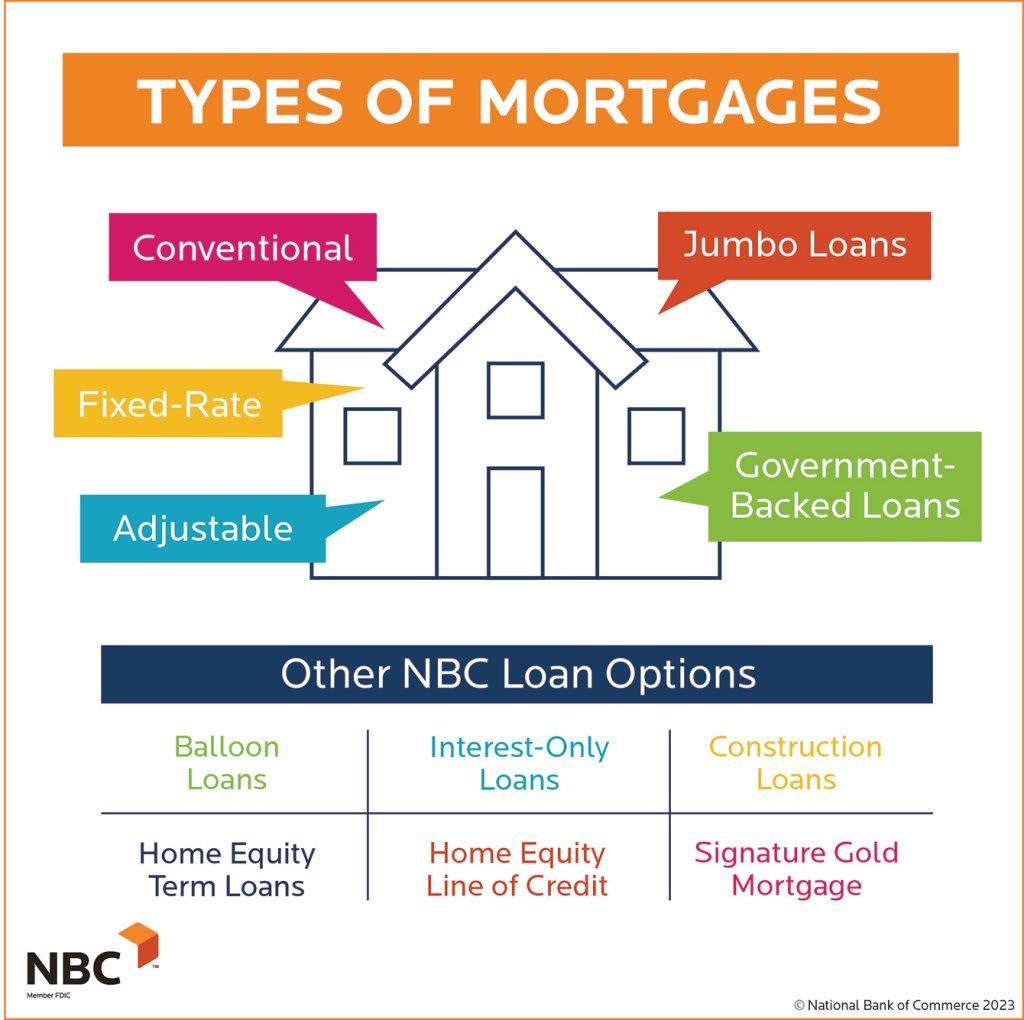
In the ever-evolving landscape of real estate financing, securing a mortgage with a minimal down payment has become an increasingly viable option for prospective homebuyers. With rising property prices and changing economic conditions,many individuals and families find themselves navigating the complexities of homeownership without the luxury of considerable upfront capital. This guide aims to illuminate the various pathways available for acquiring a mortgage with minimal down payments, examining different loan programs, eligibility criteria, and the potential benefits and challenges associated with this approach. By understanding the options and making informed decisions, buyers can take notable steps toward achieving their homeownership goals while managing their financial resources effectively.
Table of Contents
- understanding Minimal Down Payment options in the Mortgage Landscape
- Evaluating the benefits and Drawbacks of Low Down Payment Mortgages
- Essential Steps to Strengthen Your Mortgage Application
- Navigating Mortgage Insurance and Other Cost Considerations
- Insights and Conclusions
Understanding Minimal Down Payment Options in the Mortgage Landscape
In today’s ever-evolving mortgage landscape, understanding minimal down payment options is crucial for prospective homebuyers aiming to secure their first home. Various programs cater to individuals seeking lower upfront costs,reducing the financial burden associated with homeownership.Some of the key options include:
- FHA Loans: Insured by the Federal Housing Administration, these loans typically require as little as 3.5% down, making them a favorable choice for first-time buyers.
- VA Loans: Available to eligible veterans and active-duty military members, VA loans often allow for 0% down payment.
- USDA Loans: Designed for rural homebuyers, USDA loans also offer 0% down payment, subject to income limits and property eligibility.
- Conventional loans with Private Mortgage Insurance (PMI): Some lenders allow conventional mortgages with down payments as low as 3%,contingent upon the purchase of PMI.
Additionally, it’s essential to consider other factors that may influence your choice of down payment option, such as interest rates, loan terms, and eligibility requirements. Below is a simple comparison table that outlines the main features of these minimal down payment options:
| Loan Type | Min Down Payment | Eligible borrowers |
|---|---|---|
| FHA Loan | 3.5% | First-time buyers, those with lower credit scores |
| VA Loan | 0% | Veterans, active military |
| USDA Loan | 0% | Low- to moderate-income rural buyers |
| conventional Loan | 3% | Eligible borrowers with good credit |
Evaluating the Benefits and Drawbacks of Low Down Payment Mortgages
Choosing a low down payment mortgage can open the door to homeownership for many individuals who may or else find it challenging to save a substantial amount for a traditional down payment. Benefits of this approach include:
- Lower initial investment, making it more accessible for first-time homebuyers.
- Possibility to leverage savings for other expenses, such as home renovations or emergency funds.
- Increased purchasing power in competitive real estate markets.
However, there are also notable drawbacks that potential borrowers should consider. These include:
- Higher monthly mortgage payments due to the larger loan amount.
- Possible requirement for private mortgage insurance (PMI),which adds to the overall cost.
- Increased risk of negative equity if property values decline shortly after purchase.
Essential Steps to Strengthen Your Mortgage Application
To enhance your chances of mortgage approval with a minimal down payment, focus on improving your credit score. Lenders typically look for a score of 620 or higher, but the better your score, the more favorable terms you may receive. here are some strategies to boost your credit score:
- Pay your bills on time: Set up reminders or automate payments to avoid late fees.
- Reduce credit card balances: Aim to keep your credit utilization ratio below 30%.
- Avoid opening new credit lines: Each inquiry can temporarily lower your score.
Additionally, provide thorough documentation with your mortgage application to demonstrate financial stability. This includes your income, employment history, and any other relevant financial details. Consider preparing the following:
| Document Type | Description |
|---|---|
| Tax Returns | Provide the last two years to verify income. |
| Pay Stubs | Submit recent pay stubs to confirm employment and earnings. |
| Bank Statements | Show savings and checking accounts for the past three months. |
Navigating Mortgage Insurance and Other Cost Considerations
When considering a mortgage with a minimal down payment, it’s essential to understand the implications of mortgage insurance, which typically protects lenders in case the borrower defaults. Depending on the type of mortgage you choose, the requirement for this insurance can vary significantly. For example, many conventional loans with a down payment of less than 20% will necessitate Private Mortgage Insurance (PMI), while FHA loans will require Mortgage Insurance Premium (MIP). To make the most informed decision, potential homebuyers should evaluate:
- Loan type: Conventional vs. FHA vs. VA loans
- Cost: Monthly premium costs versus upfront insurance premiums
- Duration: Length of time you’ll need to pay insurance before reaching 20% equity
Moreover, it’s crucial to consider other associated costs that come with buying a home. These expenses can include property taxes,homeowner’s insurance,and maintenance fees,all of which can strain your monthly budget. Understanding the total cost of homeownership will help you avoid any unwelcome surprises down the road. Below is a simplified table showcasing common costs associated with homeownership:
| Cost Type | Average Annual Cost |
|---|---|
| Property Taxes | $3,000 – $6,000 |
| Homeowner’s Insurance | $1,000 – $2,000 |
| Maintenance costs | ~1% of Home Value |
Insights and Conclusions
securing a mortgage with a minimal down payment is a viable pathway for many prospective homeowners. As this guide illustrates, understanding the various options available—such as FHA loans, VA loans, and USDA loans—can empower individuals to make informed decisions tailored to their financial circumstances. Additionally, maintaining a robust credit score and being aware of potential private mortgage insurance (PMI) costs are critical factors that can impact long-term financial health.By leveraging these insights and preparing adequately, homebuyers can navigate the complexities of the mortgage process and take meaningful steps towards homeownership, even with limited upfront capital. As always, consulting with a financial advisor or mortgage professional is advisable to ensure that all factors are considered and to create a strategy that aligns with one’s long-term financial goals.