

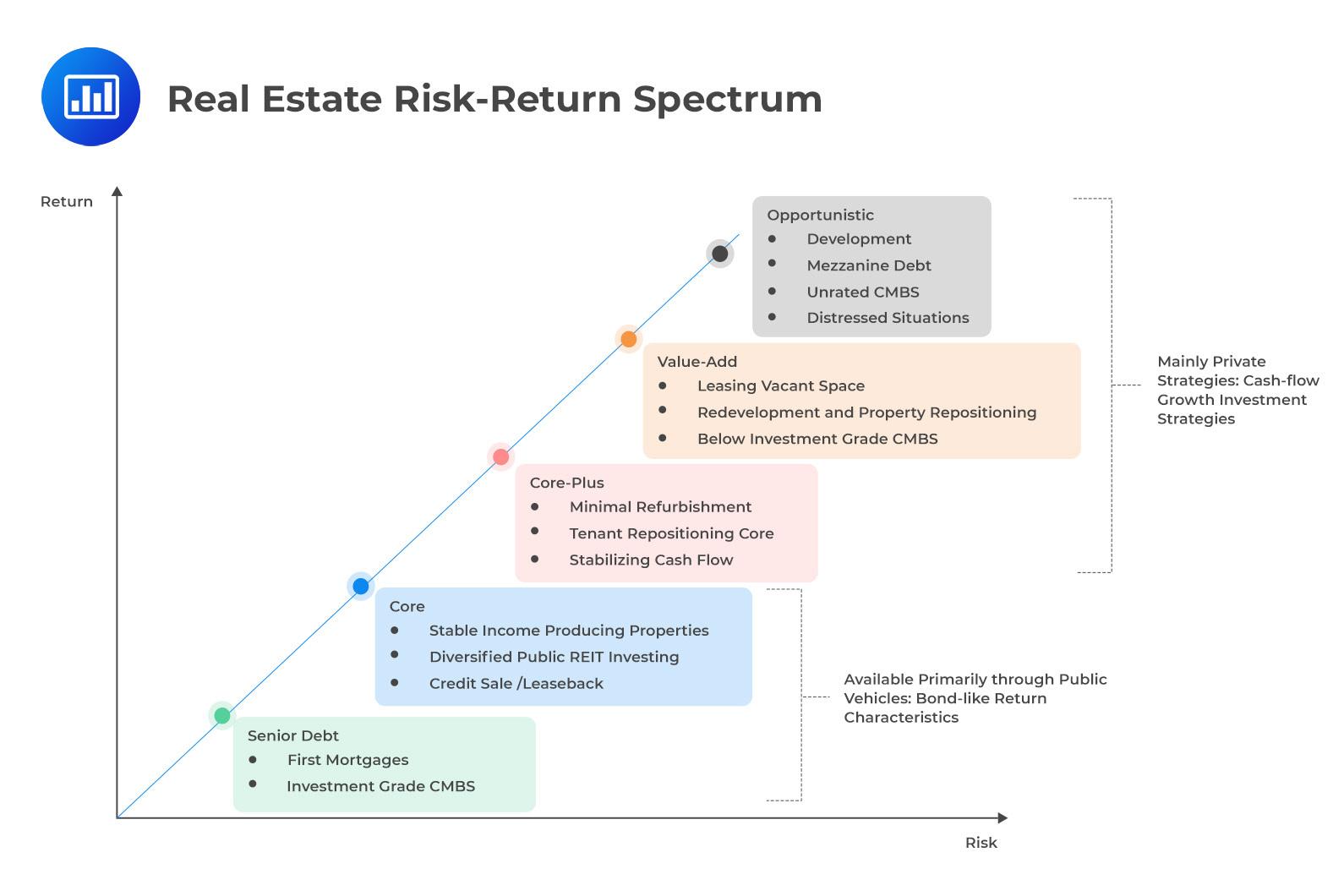
Entering the world of real estate investment can be both exhilarating and daunting. With numerous opportunities for wealth creation and portfolio diversification, it’s crucial to approach the market with a clear and strategic mindset. A well-crafted investment strategy acts as your compass, guiding your decisions and helping you navigate the complexities of property acquisition and management. In this complete guide, we will explore the essential components of a triumphant real estate investment strategy—from understanding market dynamics and setting realistic goals to leveraging financing options and identifying the ideal properties. Whether you’re a seasoned investor looking to refine your approach or a newcomer eager to get started,this article will equip you with the knowledge and tools needed to craft a strategy that aligns with your financial aspirations and risk tolerance.Let’s dive in and discover how to transform your real estate ambitions into a tangible, rewarding reality.
Table of Contents
- Understanding Market Trends and Their Impact on Your Investment Decisions
- Evaluating Property Types: Residential vs. Commercial Opportunities
- Developing a Risk Management Plan to Safeguard Your Investments
- Building a Sustainable Portfolio: Strategies for Long-Term Success
- To Wrap It Up
Understanding Market trends and Their Impact on Your Investment Decisions
When it comes to navigating the intricate world of real estate investments, grasping the prevailing market trends is paramount. These trends can be influenced by a multitude of factors, ranging from economic indicators and demographic shifts to technological advancements and shifts in consumer preferences. Understanding these elements allows investors to not only identify lucrative opportunities but also to mitigate risks associated with sudden market fluctuations. Consider the following key factors that often dictate market movements:
- Economic Indicators: Employment rates,inflation,and interest rates can substantially influence buyer behavior.
- Demographic Changes: Shifting populations, such as urbanization or aging populations, directly impact housing demands.
- Local Market Conditions: Proximity to schools, businesses, and amenities can make certain areas more desirable.
- Regulatory Environment: Zoning laws, rental regulations, and tax incentives can affect investment returns.
By paying close attention to these factors, investors can position themselves to make informed decisions that align with current market dynamics. A robust investment strategy incorporates not only current data but also predictive analytics to foresee potential shifts in the landscape. Tools such as real estate analytics software can be invaluable in this context. Below is a simplified overview of how various factors interplay with market trends:
| Market Factor | Impact on Investment |
|---|---|
| Interest Rates | Directly affect mortgage affordability, influencing buyer demand. |
| Population Growth | Increased housing demand and potential for thankfulness in property value. |
| employment Trends | Higher employment leads to greater consumer confidence and investment activity. |
| Technological Advancements | Enhance property management efficiency and openness in the buying process. |
Evaluating Property Types: Residential vs. Commercial Opportunities
When considering investment opportunities in real estate, the choice between residential and commercial properties can significantly shape your financial journey. Residential properties, such as single-family homes, apartments, and condominiums, tend to appeal to a broader audience due to their accessibility and consistent demand. They often come with advantages such as lower entry costs, easier financing options, and the potential for steady rental income. Though, investors should be mindful of factors like tenant turnover, property management responsibilities, and local housing market trends, which can influence profitability.
On the othre hand,commercial properties,including office buildings,retail spaces,and industrial warehouses,often promise higher returns but come with increased risk and complexity. These investments generally require a larger initial capital outlay and can involve more extensive due diligence processes. Potential benefits include longer lease terms and higher rental rates, which can lead to a more stable income stream. Still, it’s crucial for investors to evaluate the specific risks, such as market fluctuations and economic shifts, that are frequently enough more pronounced in the commercial sector:
| Property Type | advantages | Challenges |
|---|---|---|
| Residential |
|
|
| Commercial |
|
|
developing a Risk Management Plan to Safeguard Your Investments
Creating a solid risk management plan is a critical component of safeguarding your investments in real estate. By assessing potential risks and devising strategies to mitigate them, you enhance your ability to navigate the unpredictable housing market. Consider including the following elements in your plan:
- Market analysis: Regularly review market trends and forecasts to identify potential downturns.
- Investment Diversification: Spread your investments across different types of properties and geographical areas.
- Insurance Coverage: Ensure adequate insurance policies to protect against property damage and liability claims.
- Emergency Fund: Maintain a reserve fund for unexpected expenses, such as repairs or loss of rental income.
Additionally, it may be beneficial to establish a systematic approach to evaluating risks. Creating a risk assessment matrix can help visualize and prioritize risks associated with each investment opportunity:
| Risk Factor | Impact Rating | Mitigation Strategy |
|---|---|---|
| Market Downturn | High | Diverse Property Portfolio |
| Natural Disasters | Medium | Comprehensive insurance |
| Regulatory Changes | medium | Stay Informed and Agile |
| Tenant default | High | Thorough Screening Process |
Building a sustainable Portfolio: Strategies for Long-Term Success
Building a sustainable portfolio in real estate requires a multifaceted approach that emphasizes long-term growth while minimizing risks. Investors should focus on diversifying their assets across various property types—residential, commercial, and industrial—to spread risk and capture a wider market. Moreover, understanding and integrating sustainable practices can enhance a property’s value and appeal. Consider implementing green technologies, energy-efficient appliances, and eco-friendly materials, which not only lower operational costs but also attract environmentally conscious tenants.
Another crucial aspect of a sustainable investment strategy is conducting thorough market research and analyzing location-based trends. A table summarizing key factors to assess before investing can provide clarity:
| Factor | Importance |
|---|---|
| Market Demand | Indicates potential rental income or property value appreciation. |
| Infrastructure Development | Improves accessibility and desirability of the area. |
| Regulatory Environment | Affects investment returns through taxes, zoning laws, and permits. |
| Demographic Trends | Shapes long-term demand for housing and commercial spaces. |
Alongside these strategies, maintaining a flexible mindset is vital. Markets can shift unpredictably; having a plan that allows for adaptation based on emerging trends and data will fortify your portfolio against economic fluctuations.Implementing a regular review process to assess investment performance and market conditions will ensure your portfolio remains aligned with your long-term objectives.
To Wrap It Up
crafting a solid real estate investment strategy is not just a possibility; it’s a necessity for anyone looking to navigate the complexities of this rewarding yet challenging field. By setting clear goals, understanding your market, leveraging financial tools, and remaining adaptable, you position yourself to capitalize on the numerous opportunities that the real estate landscape offers.
Remember, the key to successful investing lies in continuous learning and assessment of your strategy. Stay informed about market trends, seek mentorship when needed, and don’t shy away from adjusting your approach as you gain more experience and insight.
as you embark on or continue your journey in real estate, equip yourself with patience and diligence.The path may have its ups and downs, but with a well-crafted strategy, you’ll be better prepared to weather the storms and enjoy the rewards. Here’s to turning your real estate aspirations into reality—happy investing!