

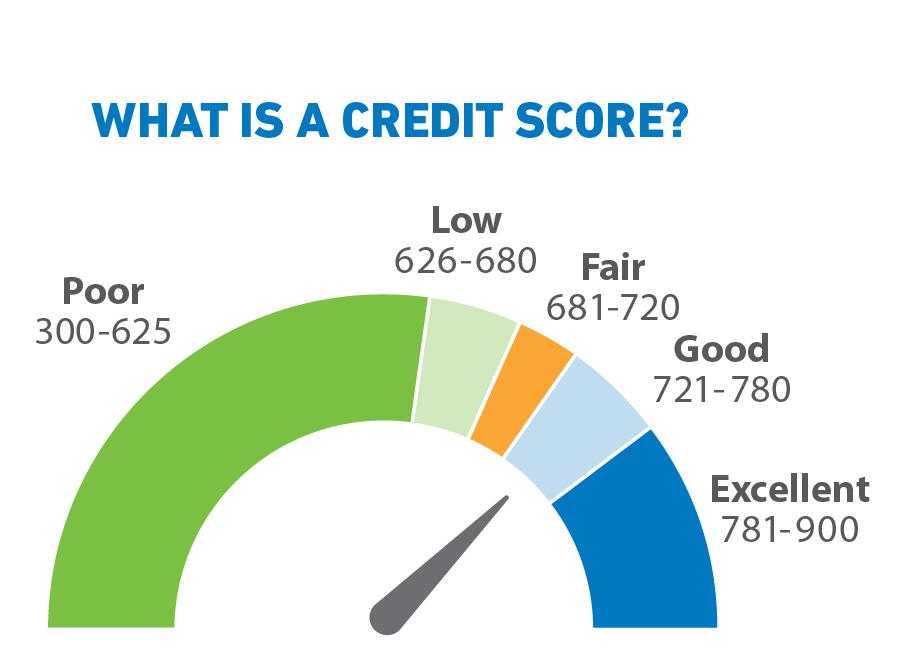
In the intricate landscape of real estate financing,the significance of credit scores cannot be overstated. These numerical representations of an individual’s creditworthiness serve as pivotal indicators that influence lending decisions, interest rates, and the overall accessibility of mortgage products. As financial institutions increasingly rely on automated underwriting systems and rigorous risk assessment protocols, understanding the nuances of credit scores becomes essential for both potential homebuyers and real estate professionals. this article delves into the mechanics of credit scores, elucidating their components, the factors that affect them, and their critical role in shaping real estate financing dynamics. By dissecting the interplay between credit scores and mortgage acquisition, we aim to equip stakeholders with the knowledge necessary to navigate this complex arena effectively, ultimately fostering more informed decision-making in the pursuit of real estate investment opportunities.
Table of Contents
- Understanding the Components of Credit Scores and Their Impact on Real Estate financing
- Evaluating the Role of Credit History in Mortgage Approval Processes
- Strategies for Improving Credit Scores Prior to Engaging in Real Estate Transactions
- Navigating Lender Requirements and Best Practices for Credit Management in Real estate
- In Summary
Understanding the Components of Credit Scores and Their Impact on Real Estate Financing
Credit scores are crucial in determining an individual’s creditworthiness and play a important role in real estate financing. These scores are calculated using various components, each contributing to the overall assessment of financial reliability. The main elements include:
- Payment History: Consistency in paying bills on time enhances your credit score.
- Credit Utilization: This ratio reflects the amount of credit you’re using compared to your total available credit.
- Length of Credit History: A longer credit history can positively affect your score, indicating experience in managing credit.
- types of Credit: A diverse mix of credit accounts, including installment loans and revolving credit, can improve your standing.
- New Credit Inquiries: Frequent applications for new credit can signal risk, possibly lowering your score.
The interplay of these components not only influences your credit score but also affects mortgage rates, loan eligibility, and the overall terms of financing for real estate transactions. As an example, individuals with higher credit scores typically qualify for lower interest rates, resulting in decreased monthly payments and total interest paid over the life of a loan. To illustrate this impact, consider the following table that summarizes possible credit score ranges and their corresponding mortgage rates:
| Credit Score Range | Estimated Mortgage Rate |
|---|---|
| 300 – 579 | 8.5% – 10.0% |
| 580 – 669 | 6.5% – 8.0% |
| 670 – 739 | 4.0% – 5.5% |
| 740 – 850 | 3.0% – 3.8% |
Evaluating the Role of credit History in Mortgage Approval Processes
Credit history plays a pivotal role in the mortgage approval process, often acting as a primary indicator of a borrower’s risk profile.Lenders meticulously assess credit reports to gauge the likelihood that a borrower will fulfill their repayment obligations. Key elements assessed include:
- Payment History: A record of on-time and late payments directly influences credit scores.
- Credit Utilization: The ratio of current debt to available credit can signal fiscal responsibility.
- Length of Credit History: A longer credit history can provide more data points for lenders to evaluate.
- Types of Credit: A diverse mix of credit accounts, such as revolving and installment loans, adds context to a borrower’s credit behavior.
When it comes to assessing mortgage applications, lenders often rely on established credit score ranges to establish decision thresholds. as an example, a credit score falling between these categories may determine the terms of the mortgage:
| Credit Score Range | Risk level | Typical Loan Terms |
|---|---|---|
| 300 – 579 | Very Poor | High Interest Rates |
| 580 – 669 | Fair | Moderate Interest Rates |
| 670 – 739 | Good | Competitive Interest Rates |
| 740 – 799 | Very Good | Low Interest Rates |
| 800 – 850 | Excellent | Best Rates Available |
Strategies for Improving Credit Scores Prior to Engaging in Real Estate Transactions
Improving your credit score before entering the real estate market is crucial for securing favorable financing options. Start by monitoring your credit reports using reliable services to ensure accuracy. look for errors or discrepancies that could negatively impact your score. Once identified, promptly dispute any inaccuracies to improve your score. Additionally, it’s beneficial to reduce outstanding debts, especially credit card balances. A lower credit utilization ratio—ideally below 30%—demonstrates responsible credit use and can significantly enhance your score.
Implementing strategic financial practices is essential for a robust credit profile. Regularly make payments on time and consider setting up automatic payments to avoid missed due dates. Diversifying your credit portfolio can also play a role in increasing your score; consider adding a mix of credit types, such as installment loans or secured credit cards. Below is a brief overview of these strategies:
| Strategy | Description |
|---|---|
| Monitor Credit Reports | Check for errors and discrepancies regularly. |
| Reduce Outstanding Debts | Aim for low utilization ratios on credit accounts. |
| Make Timely Payments | Always pay bills on or before the due date. |
| Diversify Credit | Add various credit types to your portfolio. |
Navigating Lender Requirements and Best Practices for Credit Management in Real Estate
Understanding lender requirements is crucial for securing real estate financing. Lenders analyse credit scores as a primary metric to assess the creditworthiness of potential borrowers. A strong credit score generally leads to better loan terms, including lower interest rates and more favorable repayment options. Key factors influencing credit scores include:
- Payment history – Consistently paying bills on time is paramount.
- Credit utilization ratio – Keeping balances low relative to credit limits reflects responsible credit management.
- Length of credit history – A longer history can indicate reliability and stability.
In addition to maintaining a robust credit profile, understanding best practices for credit management can enhance your financing prospects. Borrowers are encouraged to regularly review their credit reports and dispute any inaccuracies promptly. Establishing a budget can definitely help manage debts effectively while utilizing automated payment systems can ensure timely bill payments.Moreover, maintaining a diverse credit mix is beneficial; consider the following approaches:
| Credit Type | Description |
|---|---|
| Revolving Credit | Credit cards and lines of credit to manage ongoing expenses. |
| Installment Loans | Mortgages or auto loans that build credit through fixed payments. |
| Retail Accounts | Store-specific credit options that can diversify your credit portfolio. |
in Summary
understanding credit scores is indispensable for navigating the complexities of real estate financing. The interplay between individual credit profiles and broader market dynamics can significantly influence not only mortgage eligibility but also the terms and conditions attached to loans. As potential investors and homeowners analyze their financial standing, it becomes crucial to recognize how variations in credit scores can impact borrowing costs, loan types, and even the feasibility of investment opportunities.
This comprehensive understanding empowers stakeholders to make informed decisions, fostering a healthier approach to property acquisition and investment. Whether you are a first-time buyer seeking favorable terms or an experienced investor strategizing for optimal financing conditions, recognizing the pivotal role of credit scores in the real estate landscape is essential. By proactively managing credit health—through timely payments,credit utilization,and monitoring credit reports—individuals can enhance their prospects for triumphant real estate endeavors.
As the real estate market continues to evolve, staying abreast of credit scoring metrics and their implications will be critical for achieving financial objectives. Embracing a holistic approach to credit management not only paves the way for better financing options but also reflects a commitment to sustainable investment practices in an increasingly competitive arena.