

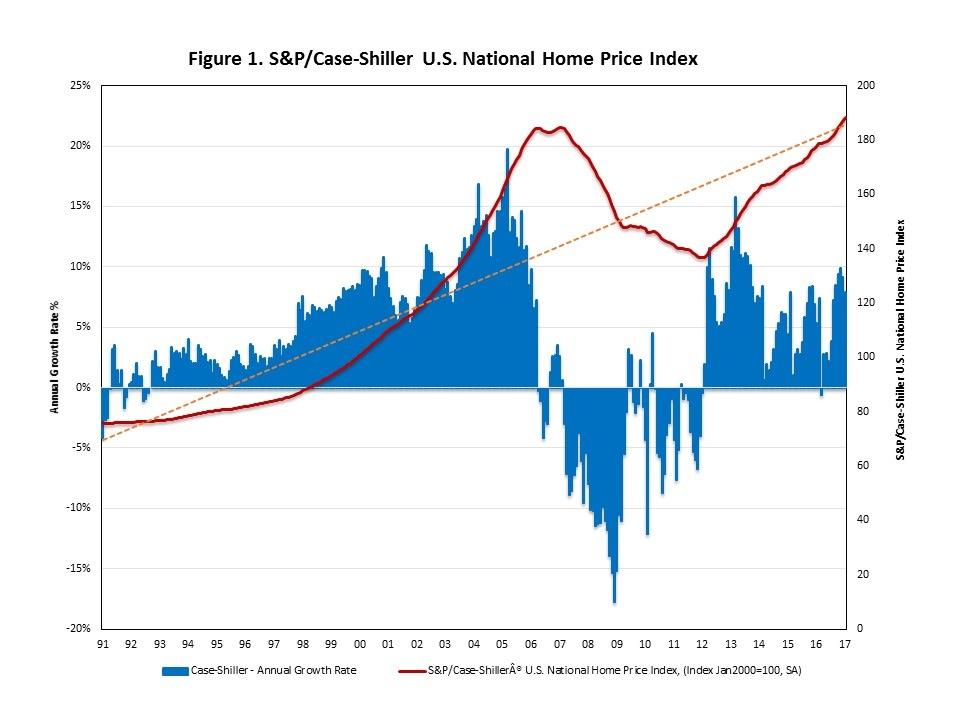
as climate change continues to reshape our surroundings, its impact on various sectors is becoming increasingly pronounced, with the real estate market standing at the forefront. The heightened frequency of natural disasters, rising sea levels, and shifting weather patterns pose meaningful risks that are not only influencing property values but also altering investment strategies and urban planning initiatives across the globe. Investors,developers,and policymakers are now tasked with navigating this complex landscape,requiring a robust understanding of how climate risks are assessed and integrated into real estate market dynamics.In this article, we delve into the methodologies used to evaluate these risks, explore case studies of markets responding to climatic challenges, and highlight the emerging trends that are reshaping the future of real estate in an era where environmental considerations are paramount. As we unpack these developments, we aim to provide a comprehensive overview of how the real estate sector is adapting to an uncertain climate and what this means for stakeholders moving forward.
Table of Contents
- Understanding Climate Risks and Their Impact on Real Estate Markets
- Evaluating Regional Vulnerabilities: A Comparative Analysis of Affected Areas
- Strategies for Investors: Navigating Climate Risks in Real Estate Decisions
- Policy Recommendations for Sustainable Real Estate Development Amid Climate Change
- Key Takeaways
Understanding Climate Risks and Their Impact on Real Estate Markets
Climate risks, manifested through extreme weather events, rising sea levels, and changing precipitation patterns, pose significant challenges for real estate markets across the globe. As these risks become more pronounced, investors and homeowners alike are beginning to reassess the long-term viability of certain locations. The potential for increased flooding, wildfires, and heatwaves can severely impact property values, leading to a divergence in market stability between regions perceived as vulnerable and those considered resilient. Key factors driving this reassessment include:
- Insurance Costs: Properties in high-risk areas often face skyrocketing insurance premiums, making them less attractive to potential buyers.
- Regulatory Changes: Governments may impose stricter building codes and zoning regulations in climate-sensitive areas, affecting development opportunities.
- Market Sentiment: Buyer perception shifts can lead to reduced demand for properties in at-risk zones, further depressing prices.
The real estate sector is responding to these challenges by integrating climate risk assessments into investment and development strategies. This proactive approach allows stakeholders to identify vulnerable assets and adjust their portfolios accordingly. Furthermore, demand for sustainable and resilient developments is on the rise, prompting innovative building practices and materials that can withstand climate impacts. To illustrate this shift, the table below highlights some cities actively enhancing their resilience to climate risks:
| City | Resilience Initiative | Impact on Real Estate |
|---|---|---|
| Miami | Elevated Sea Walls | Stabilizing property values |
| San Francisco | Green Building Codes | Increased demand for sustainable housing |
| New Orleans | canal Restoration Projects | Enhanced flood protection |
Evaluating Regional Vulnerabilities: A Comparative Analysis of Affected Areas
In the face of escalating climate risks, it is essential to assess and compare the vulnerabilities of various regions to understand the broader implications for the real estate market. Certain areas demonstrate differing levels of resilience to climate-related events, influenced by factors such as geographic location, infrastructure development, and local governance. As an example, coastal cities may experience heightened risks from sea-level rise and severe storms, while inland regions may face issues related to drought and wildfires. The variability in environmental tensions necessitates that stakeholders evaluate not only the immediate impacts but also the long-term economic consequences for real estate investments.
To illustrate these disparities, the following comparison highlights key affected areas, emphasizing their unique vulnerabilities and responses:
| Region | Primary Climate Risk | real Estate Market Response |
|---|---|---|
| Miami, FL | sea Level Rise | Increased demand for elevated properties, leading to a surge in prices for waterfront real estate. |
| San Francisco, CA | Wildfires | Decline in property values in high-risk areas, with growing interest in fire-resistant construction. |
| Phoenix, AZ | Drought | Shifts in purchasing preferences towards homes with water-efficient features. |
This comparative analysis reveals a crucial understanding of how real estate markets are evolving in response to climate vulnerabilities. Stakeholders, including developers, investors, and policymakers, must orient their strategies to mitigate risks and leverage opportunities reflective of their specific regional contexts.
Strategies for Investors: Navigating climate risks in Real Estate Decisions
As climate change increasingly affects global environments, real estate investors must adopt a proactive approach to navigate the inherent risks associated with these transformations. Key strategies include conducting thorough risk assessments to identify properties vulnerable to extreme weather events, such as floods and wildfires. Implementing technologies that enhance sustainability and resilience can also play a vital role.Consider the following tactics:
- Invest in Green Infrastructure: incorporating eco-friendly features can mitigate environmental impacts while attracting a growing demographic of eco-conscious tenants.
- Evaluate Location Risks: Utilize advanced analytics to assess geographical vulnerabilities, prioritizing developments in less exposed regions.
- engage with Local Policies: Stay informed about government regulations and incentives that promote sustainable real estate practices.
Furthermore, collaborating with environmental consultants can provide investors with valuable insights into potential climate-related liabilities. Investors can proactively manage their portfolios by integrating climate risk assessments into their traditional financial analyses. A comprehensive understanding of climate resilience can be illustrated in the following table:
| Property Type | Climate Risk Exposure | Mitigation Strategy |
|---|---|---|
| Residential | Flood-prone areas | Elevate homes and implement stormwater management systems |
| Commercial | Heat islands | Install green roofs and use reflective materials |
| Industrial | Wildfires | Clear vegetation and implement firebreaks |
Policy Recommendations for Sustainable Real Estate Development Amid Climate Change
Sustainable real estate development is crucial in addressing the growing threats posed by climate change.policymakers should consider implementing strategies that prioritize both environmental resilience and economic viability. Key recommendations include:
- Incentivizing Green Construction: Introduce tax credits and grants for developers who adhere to sustainable building practices, reducing the upfront costs associated with eco-friendly materials and technologies.
- Enhanced Zoning Regulations: Revise zoning laws to encourage mixed-use developments that serve as community hubs, reducing reliance on automobiles and minimizing carbon footprints.
- Investment in Infrastructure: Allocate funding for climate-resilient infrastructure projects, ensuring that neighborhoods are equipped to withstand severe weather events without significant damage.
Furthermore, enhancing transparency and public access to climate risk data will empower stakeholders in making informed decisions. It is essential to create a Climate Risk Mitigation Fund aimed at supporting retrofitting projects for existing structures vulnerable to climate impacts. A well-structured policy framework could include:
| Policy Measure | Expected Outcome |
|---|---|
| Disaster Preparedness Standards | reduction in property damage and loss of life during extreme weather events. |
| Community Education Programs | Increased public awareness and preparedness for climate risks. |
| Public-Private Partnerships | Shared investment in sustainable development, boosting local economies. |
Key Takeaways
as climate change becomes an ever-pressing concern for urban planners, policymakers, and investors alike, understanding how real estate markets respond to climate risks is more critical than ever.The evidence suggests that properties in vulnerable areas face declining values,while those located in more resilient regions see an upsurge in demand. Stakeholders must remain vigilant, integrating climate risk assessments into their decision-making processes to navigate this evolving landscape effectively. As cities adapt and innovate to mitigate these risks, the implications for investment strategies and urban development will be significant. Moving forward, a comprehensive understanding of these dynamics will be essential for ensuring sustainable growth in the face of an uncertain climate future. As the dialog around climate resilience continues to expand, real estate markets will undoubtedly play a pivotal role in shaping sustainable urban environments.