

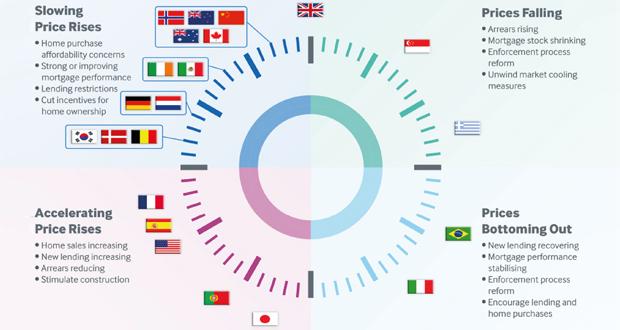
As the world continues to navigate the complexities of economic recovery adn shifting demographics, the housing market has emerged as a focal point of analysis for investors, policymakers, and prospective homebuyers alike. Major cities around the globe are witnessing diverse trends influenced by factors such as urbanization, remote work policies, and changes in consumer preferences. From skyrocketing prices in metropolitan hubs to emerging markets gaining traction, understanding these trends is crucial for making informed decisions in an increasingly interconnected marketplace. In this article, we delve into the current state of housing across key urban centers, examining the forces driving these changes and what they signify for the future of global real estate.
Table of Contents
- Global Housing Market Dynamics and Their impact on Major Cities
- Emerging Opportunities in Urban Real Estate Development
- Sustainability Trends Shaping the Future of Housing
- Investment Strategies for Navigating Volatile Markets
- Wrapping Up
Global Housing Market Dynamics and Their Impact on Major Cities
The dynamics of the global housing market have recently undergone significant transformations, influenced by a confluence of economic, social, and technological factors. Cities around the world are experiencing a unique blend of low-interest rates,shifting demographics,and an increasing focus on sustainable living. As populations surge in urban areas, the competition for housing intensifies, often leading to soaring prices. key trends shaping the market include:
- Urbanization: A pronounced shift towards city living, with an increasing number of people flocking to metropolitan hubs.
- The Rise of Remote Work: A lasting impact from the pandemic,allowing individuals to consider housing in less dense areas.
- Investment in Green Buildings: Growing demand for eco-friendly developments that promise lower utility costs and healthier living environments.
major cities around the globe are not only battling rising costs but also grappling with policy responses aimed at increasing affordability and sustainability. Governments are adopting varied strategies to tackle these challenges, including zoning reforms that promote higher densities and incentivizing the construction of affordable housing units. The following table highlights rental price trends in some key cities for 2023, reflecting the overall shifts in housing demand:
| City | Average Monthly Rent | Year-on-Year Change (%) |
|---|---|---|
| New York | $3,500 | +8% |
| London | $2,800 | +6% |
| Tokyo | $2,500 | +5% |
| Sydney | $3,200 | +7% |
Emerging Opportunities in Urban Real Estate Development
As urban populations continue to swell, a profound shift is occurring within the real estate landscape of major cities around the globe. Developers are no longer just following customary models; they are adapting to new demands driven by sustainability, technological advancements, and changing lifestyles. Key opportunities emerging in urban real estate development include:
- Mixed-Use developments: Creating spaces that combine residential, commercial, and recreational facilities.
- Smart Cities: Incorporating technology to enhance urban infrastructure and enhance the quality of life.
- Sustainable Housing: Focusing on eco-friendly living options that attract environmentally-conscious buyers.
- Co-living Spaces: Offering flexible, community-oriented living arrangements that appeal to younger demographics.
Regions that adapt to these trends are likely to witness a significant uptick in both investment and demand. Moreover, innovative financing models are emerging, enabling developers to tap into previously inaccessible capital, thus providing the necessary funds to fuel aspiring projects. A snapshot of the current landscape of urban real estate investment opportunities can be seen in the table below:
| City | Emerging Trend | Investment Potential |
|---|---|---|
| San Francisco | Tech-Driven Developments | High |
| Berlin | Co-living Spaces | Moderate |
| Tokyo | Sustainable Housing | High |
| Barcelona | Mixed-Use Projects | Moderate |
sustainability Trends Shaping the Future of Housing
As cities around the globe grapple with the effects of climate change, innovation in sustainable housing practices is at the forefront of architectural and urban planning.Developers are increasingly adopting eco-friendly materials and technologies to create energy-efficient homes. This trend is reflected in the rise of green certifications and energy rating systems, which incentivize the construction of low-impact buildings. Key aspects include:
- Eco-friendly Materials: Utilizing biodegradable or recycled materials to reduce waste.
- Smart Home Technology: Integrating IoT devices for energy management and efficiency.
- Community-oriented Designs: Encouraging co-living spaces that foster community and reduce individual resource consumption.
Moreover, urban developers are increasingly focused on resilience—building homes that can withstand extreme weather conditions while minimizing their ecological footprint. The shift towards sustainable public transportation and pedestrian-friendly infrastructure is also reshaping neighborhoods, prioritizing walkability and accessibility. As seen in the following table, leading metropolitan areas are implementing policies to support sustainability in housing markets:
| City | Sustainability Initiative | Impact |
|---|---|---|
| Amsterdam | Zero Energy Homes | decreased carbon footprint by 30% |
| San Francisco | Green Building Ordinance | Improved energy efficiency in 50% of new builds |
| Copenhagen | Climate Resilient Neighborhoods | Reduced flooding risks in vulnerable areas |
Investment Strategies for Navigating Volatile Markets
As market conditions fluctuate, investors must adopt adaptable strategies to protect their portfolios and seize opportunities. Diversification stands out as a fundamental approach, enabling investors to spread risk across various asset classes. In volatile markets, incorporating real estate investment trusts (REITs) can also be beneficial, as they typically offer attractive dividends and can act as a hedge against inflation.An emphasis on geographic diversification is crucial; investing in historically resilient markets can provide stability even when other areas face downturns.
Another vital strategy involves focusing on fundamental analysis to identify undervalued properties in emerging markets. Investors should consider macroeconomic indicators such as employment rates, population growth, and development trends when determining potential investments. Additionally, implementing stop-loss orders and maintaining a disciplined rebalancing strategy can definitely help limit losses and lock in gains during unfavorable conditions. Evaluating ongoing trends, such as remote work efficiencies leading to shifts in housing demand, offers further insight into market dynamics.
Wrapping Up
As we conclude our examination of the global housing market trends in major cities, it is indeed evident that the interplay between economic forces, demographic shifts, and governmental policies continues to shape the landscape of urban living. while some cities are experiencing an upward trajectory in housing prices due to heightened demand and limited supply, others are grappling with stagnation and affordability challenges.
As we move into the coming years, stakeholders—including homebuyers, investors, and policymakers—must stay attuned to these evolving dynamics. The necessity for innovative housing solutions and adaptive strategies will be critical in addressing the diverse needs of urban populations.
In this ever-changing environment, understanding the nuances of local markets and broader trends will be key to navigating the complexities of global real estate. We will continue to monitor these developments and provide ongoing analysis, helping our readers stay informed in a market that is as dynamic as the cities themselves. Thank you for joining us on this exploration of global housing trends.