

Introduction
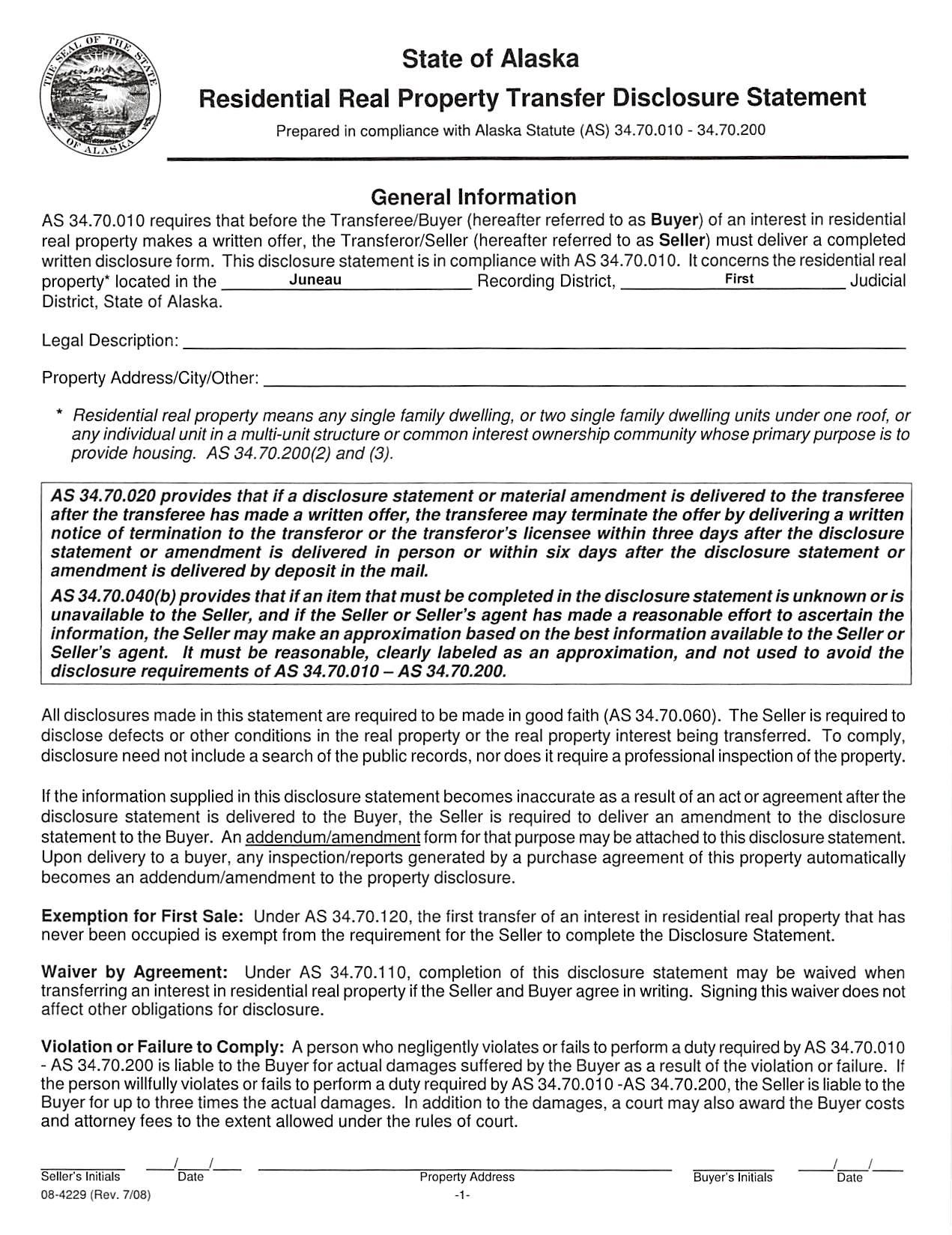
In teh complex world of real estate transactions, transparency stands as a cornerstone of trust between buyers and sellers. One of the fundamental practices that foster this transparency is the provision of property disclosures. These documents, which outline essential facts about a property’s condition, legal status, and any known issues, play a pivotal role in shaping the expectations and decisions of prospective buyers. Understanding the meaning of property disclosures not only empowers consumers but also contributes to a healthier real estate market. This article will delve into the crucial role of property disclosures, examining their impact on buyer confidence, legal compliance, and the overall dynamics of property transactions. By exploring this vital aspect of real estate,we hope to underscore the importance of honesty and accountability in one of life’s most significant investments.
Table of Contents
- Understanding the purpose and Importance of Property Disclosures in Real Estate Transactions
- Key Components of Effective Property Disclosure Forms
- Best Practices for Buyers and Sellers in Managing Property Disclosures
- the Legal Implications of Failing to Provide Accurate Property Disclosures
- Wrapping Up
Understanding the Purpose and Importance of Property Disclosures in Real Estate Transactions
In the realm of real estate,property disclosures serve as a vital lifeline connecting buyers and sellers. These disclosures are not merely formalities; they are instrumental in fostering transparency and trust during transactions.by providing detailed information about a property’s condition, history, and any known issues, sellers empower potential buyers to make informed decisions. This process minimizes the risk of disputes or misunderstandings post-sale, ensuring that both parties comprehend the implications of their agreement. Key aspects often disclosed include:
- Structural Issues: Information regarding the foundation,roof,and significant repairs.
- Environmental Hazards: Details about lead paint, mold, or other health-related concerns.
- Legal Boundaries: Clarifications on zoning laws and property encroachments.
Moreover, property disclosures protect sellers from future liabilities by clearly outlining the condition of the property at the time of sale. This thorough approach not only safeguards the seller but also enhances the credibility of the real estate market as a whole. Effective disclosures can substantially impact the value of a property by highlighting its strengths and addressing concerns upfront. to illustrate the importance of various types of disclosures, consider the following table:
| Type of Disclosure | Purpose |
|---|---|
| Material Defects | Inform buyers about defects that could affect their decision. |
| Ancient Repairs | Provide insight into the maintenance history and potential future issues. |
| Neighborhood Information | Give context about the area, including schools and amenities. |
Key Components of Effective Property Disclosure Forms
effective property disclosure forms serve as vital instruments in the real estate process, ensuring transparency and fostering trust between buyers and sellers. The form should encompass a comprehensive range of information, highlighting material facts that could influence a buyer’s decision. Key components typically include:
- Property Condition: Details about the physical state of the property, including structural integrity and the condition of major systems such as plumbing and electrical.
- Environmental Issues: Any known hazards, such as mold, lead paint, or flood risks.
- Legal Matters: Information related to zoning, easements, and any outstanding liens or litigation affecting the property.
- History of Repairs: A record of significant repairs, renovations, or maintenance that have been performed.
Additionally, the form should address the seller’s disclosures regarding neighborhood factors and homeowner association (HOA) rules when applicable. Properly formatted, it helps prevent disputes post-sale and allows buyers to make informed choices. An organized table for ease of reference may include:
| Disclosure Type | Description |
|---|---|
| Structural Issues | Cracks in foundation, roof damage |
| Pests | presence of termites or rodents |
| Natural Hazards | Flood zones, earthquake risks |
Best Practices for Buyers and Sellers in Managing Property Disclosures
For buyers, it’s essential to approach property disclosures with a meticulous mindset. when reviewing disclosures, focus on the following key areas:
- Understand the Terminology: Familiarize yourself with terms like “as-is,” “material defects,” and “latent defects” to better understand your rights and responsibilities.
- Ask Questions: If any information seems unclear, don’t hesitate to reach out for clarification. This is especially critically important for any red flags raised in the disclosures.
- Conduct Self-reliant Inspections: Relying solely on disclosures may not be enough; hiring a professional inspector can help uncover issues that may not be disclosed.
For sellers, effective management of property disclosures is equally crucial in fostering trust with potential buyers. Consider the following best practices:
- Full Transparency: Provide comprehensive and accurate disclosures to avoid future disputes and enhance your credibility.
- Document Condition: Keep records of repairs, maintenance, and issues resolved prior to listing the property as these can positively influence the buyer’s perception.
- Stay Up-to-Date: Regularly review and update disclosure statements in accordance with local laws and regulations to ensure compliance.
The Legal Implications of Failing to Provide Accurate Property Disclosures
Accurate property disclosures are not merely a formality in real estate transactions; they hold significant legal weight. When sellers fail to provide comprehensive information regarding a property’s condition, history, or potential issues, they expose themselves to various legal repercussions. Homebuyers rely heavily on disclosures to make informed decisions, and any omissions can result in claims of misrepresentation or fraud. In many jurisdictions,the law obligates sellers to disclose known defects and issues,meaning that ignorance is often not a viable defense. A lack of transparency can lead to lengthy legal disputes, possible restitution, or damages awarded to the buyer, underscoring the necessity for sellers to be thorough and forthright.
Moreover, the legal ramifications extend beyond simple misrepresentation. Sellers may face regulatory actions or fines from local real estate boards or agencies for failing to adhere to disclosure laws. Buyers who discover undisclosed issues may not only seek financial restitution but could also pursue rescission of the sale, effectively reversing the transaction. To summarize the key legal risks associated with inadequate property disclosures, consider the following points:
| Legal Risks | Description |
|---|---|
| Misrepresentation Claims | Potential lawsuits for failing to disclose known issues. |
| Fraud Charges | legal actions claiming intentional deceit regarding property condition. |
| Regulatory Penalties | Fines or sanctions from government entities or realtor boards. |
| Transaction Rescission | Buyers may seek to void the sale entirely. |
Wrapping Up
the importance of property disclosures in the real estate landscape cannot be overstated. These disclosures are not merely legal formalities; they serve as essential tools that promote transparency, safeguard stakeholders, and foster trust between buyers and sellers. By ensuring that potential issues are communicated clearly, property disclosures empower buyers to make informed decisions and mitigate future risks.
As the real estate market continues to evolve, the role of complete and honest disclosures will remain pivotal in maintaining integrity within transactions. This commitment to transparency ultimately enhances the reputation of the industry and secures the confidence of participants in the market. Stakeholders must remain vigilant in understanding and adhering to disclosure requirements, as the benefits extend far beyond compliance with regulations; they help in building lasting relationships and nurturing a more informed real estate community.
We encourage all parties involved in real estate transactions to prioritize thorough disclosures, ensuring that the process remains fair, equitable, and conducive to accomplished outcomes. As always, informed buyers and sellers pave the way for a more robust and trustworthy real estate market.