

Introduction
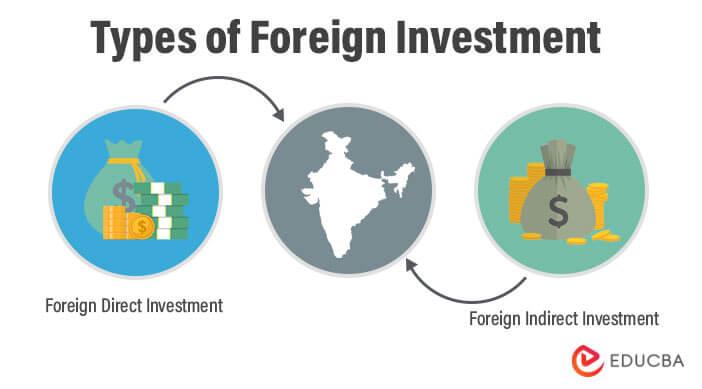
In an increasingly interconnected world, foreign investment has emerged as a pivotal force driving dynamics across global real estate markets. As economic powerhouses expand their reach adn investors seek new opportunities, understanding the key factors shaping these investments has never been more critical. This article explores the multifaceted influences at play—ranging from geopolitical shifts and regulatory changes too technological advancements and evolving demographic trends.By analyzing these elements, we aim to provide valuable insights into how foreign capital is reshaping urban landscapes, altering market valuations, and influencing the future of real estate worldwide. As nations strive to attract and regulate foreign investment, the implications for local economies, infrastructure growth, and housing affordability are profound, underscoring the need for thorough analysis in this fast-evolving sector.
Table of Contents
- impact of Economic Stability on Foreign Investment Trends
- Regulatory Frameworks and Their Influence on Cross-Border Real Estate Activity
- Emerging Markets: Opportunities and Risks for Global Investors
- Sustainability and Green Building Practices: The New Frontier in foreign Investment
- Final Thoughts
Impact of Economic Stability on Foreign Investment Trends
The allure of foreign investment in real estate is heavily influenced by the economic stability of potential markets. Investors are typically drawn to countries exhibiting consistent growth,low inflation,and a predictable political climate. When a nation demonstrates these stability factors, it fosters a sense of security among investors, facilitating the flow of foreign capital.Key benefits often include:
- Attractive returns: Economic stability generally translates to solid returns on investment,encouraging investor confidence.
- Accessibility: Stable economies tend to eliminate barriers for foreign investors, streamlining the process of property acquisition.
- Long-term prospects: A proven track record of economic resilience can make a country a preferred location for long-term investment strategies.
Conversely, economic instability can create a wave of uncertainty, prompting foreign investors to reassess their risk exposure. Political turmoil, fluctuating currency rates, or sudden changes in government policies can deter investment. As investors seek predictability, emerging markets may suffer if they cannot showcase resilience. The following table highlights the correlation between economic stability and foreign investment trends in key markets:
| Country | Economic Stability Index | Foreign Investment Levels (in billions) |
|---|---|---|
| united States | 8.5 | $150 |
| Germany | 8.0 | $75 |
| Brazil | 5.0 | $20 |
Regulatory Frameworks and their Influence on Cross-Border Real Estate Activity
The global landscape of real estate is heavily shaped by regulatory frameworks that vary dramatically from one country to another. These regulations govern a range of activities including property ownership, leasing, taxation, and foreign investment. in many jurisdictions,restrictions are placed on foreign ownership to protect local markets,while other countries may actively encourage foreign investment through incentives. Key regulatory factors influencing cross-border real estate activity include:
- Ownership restrictions: Some nations impose limits on the percentage of property that can be owned by non-residents.
- Tax policies: The tax implications for foreign investors, including capital gains and property taxes, can either deter or attract investment.
- legal frameworks: The legal processes governing property transactions can vary widely, affecting the feasibility and security of investments.
As international capital flows into real estate markets, understanding these regulatory nuances becomes essential for investors. For instance, emerging economies may implement less stringent regulations for foreign investors to stimulate economic growth, leading to a boom in cross-border transactions. conversely, enforcement of stricter regulations in mature markets might result in a cooling effect on foreign investment. The interplay of these frameworks not onyl influences investor confidence but also shapes market dynamics. Recent trends indicate:
| Region | Foreign Investment Trend |
|---|---|
| North America | Moderate growth, increasing regulations |
| Europe | Stable, with focus on sustainability |
| Asia-Pacific | High growth, varying regulations |
Emerging Markets: Opportunities and Risks for Global Investors
Emerging markets have become a focal point for global investors seeking to diversify their portfolios and capture growth opportunities unavailable in more developed economies.These regions often showcase robust economic potential, underpinned by factors like increasing urbanization, a burgeoning middle class, and expansive infrastructure investments. Key sectors attracting interest include real estate, technology, and consumer services. However, the landscape is not devoid of challenges. political instability, varying regulatory environments, and fluctuating currencies may pose meaningful risks that could affect investment returns.
When assessing the viability of investing in these markets, global investors shoudl consider various key factors that drive both opportunities and risks:
- Economic Indicators: GDP growth rates, inflation, and employment statistics serve as primary gauges of market health.
- Political Environment: Stability, governance, and existing trade agreements can greatly influence market confidence.
- regulatory Conditions: Understanding local laws regarding property ownership and foreign investment is crucial.
- Market Trends: Demand for real estate,especially in urban centres,can signal long-term investment viability.
| Factor | Opportunities | Risks |
|---|---|---|
| Economic Growth | High potential returns | Volatility during downturns |
| Urbanization | Increasing demand for housing | Overbuilding and market saturation |
| Political Stability | Encourages investment | Instability leads to uncertainty |
Sustainability and green Building Practices: The New Frontier in Foreign investment
As the global community increasingly prioritizes environmental stewardship, foreign investors are actively seeking opportunities in lasting real estate ventures. Properties that integrate green building practices not only attract tenants and buyers who are eco-conscious, but they also frequently enough enjoy higher property values and lower operational costs. These investments are designed to minimize energy consumption and reduce carbon footprints, making them appealing in a world where regulatory frameworks are tightening around environmental responsibilities. For investors, embracing this paradigm shift means capitalizing on a growing segment of the market that is predicted to drive significant returns in the coming decades.
Key attributes of sustainable developments include sustainable building materials, energy-efficient systems, and designs that promote natural light and air circulation. Investors are increasingly looking for projects that incorporate elements such as:
- Renewable energy sources like solar panels and wind turbines.
- Water conservation techniques including rainwater harvesting and greywater recycling.
- Smart technology to monitor and reduce energy used in buildings.
Research indicates that the integration of these practices can lead to improved tenant satisfaction and retention rates, ultimately enhancing stability for foreign investors.Moreover, as environmental consciousness becomes a central theme in public policy worldwide, green buildings are not only a choice but rather a necessity for future-proofing investments. Here’s a simple table illustrating the benefits of green investments:
| Benefit | Description |
|---|---|
| Enhanced Property Value | Green buildings often command a premium in the market. |
| Lower Operational Costs | Reducing energy and water usage translates into cost savings. |
| Attracting Tenants | Eco-friendly spaces appeal to a growing demographic of conscious consumers. |
Final Thoughts
foreign investment continues to be a pivotal factor influencing the dynamics of global real estate markets. as economic landscapes evolve and the interconnectedness of markets deepens, understanding the key drivers of foreign capital inflow is essential for stakeholders across the industry. from regulatory environments and geopolitical stability to technological advancements and social trends, these variables are shaping not only where investments flow but also the very nature of properties being developed and acquired. As we move forward, real estate professionals, policymakers, and investors must remain vigilant and adaptable, harnessing these insights to navigate an increasingly complex investment landscape. In a world characterized by change, the ability to proactively respond to shifting trends will be vital for success in the realm of global real estate.