

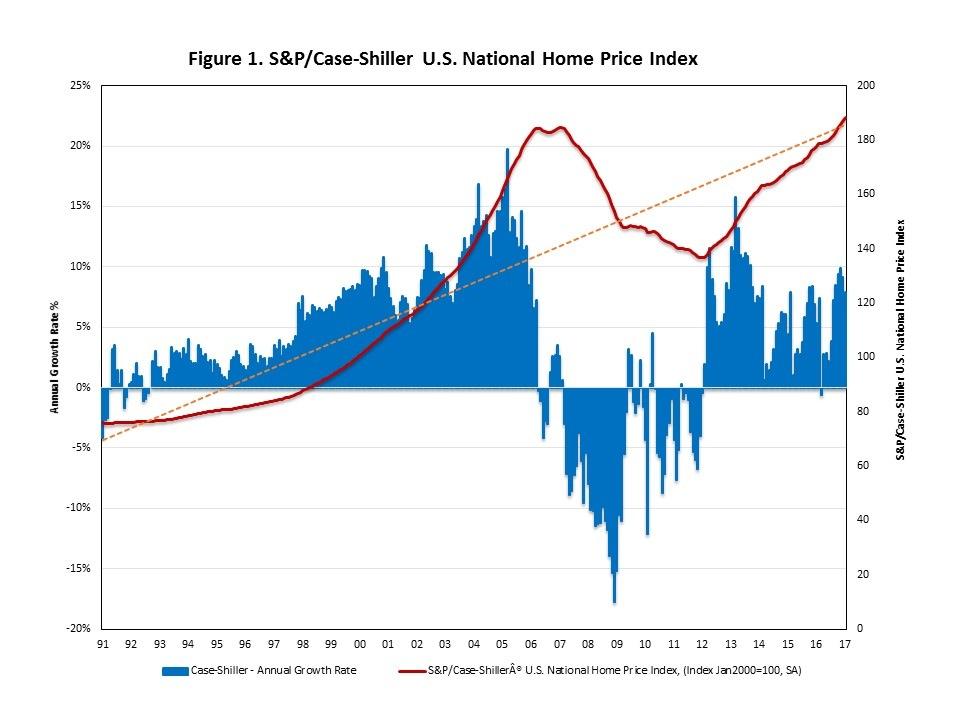
The real estate market serves as a barometer for economic health, reflecting broader trends in consumer behavior, investment strategies, and urban development. As we navigate the complexities of the 21st century, the real estate landscape is evolving at an unprecedented pace, driven by factors such as technological advancements, demographic shifts, and changing societal values. In this comprehensive analysis, we delve into the current trends shaping the real estate sector, examining both residential and commercial markets. Through a methodical exploration of emerging patterns—ranging from the rise of remote work and the increasing demand for enduring living spaces to the impact of fluctuating interest rates and inflation—we aim to provide a nuanced understanding of the forces at play. By synthesizing insights from industry experts, market data, and recent case studies, this article endeavors to equip stakeholders with the knowledge needed to navigate the ever-changing terrain of real estate effectively.
Table of Contents
- Impact of Remote Work on Housing Demand and Location Preferences
- Sustainable Building Practices and Their Influence on Market Value
- Emerging Technologies in Real Estate Transactions and Management
- Investment Strategies for Navigating a Shifting Market Landscape
- Future outlook
Impact of Remote Work on Housing Demand and Location Preferences
The shift to remote work has dramatically reshaped housing demand and location preferences,evolving the way individuals and families approach their living environments. As employees gain the flexibility to work from home, many are leaving densely populated urban centers in search of more spacious and affordable housing options. This trend has led to a surge in interest for properties in suburban and rural areas, where attributes such as larger homes, ample outdoor space, and a lower cost of living are increasingly appealing. Consumers now prioritize proximity to nature, community amenities, and access to reliable internet, a marked shift from prior preferences focused on urban conveniences.
Moreover, as remote work becomes entrenched in corporate cultures, housing markets are witnessing a change in buyer demographics. The emergence of remote-first companies has created a diverse pool of potential homeowners,including millennials and Gen Z professionals who are more inclined to invest in properties that reflect their lifestyle choices. This demographic is often drawn to communities offering a blend of work-life balance,public transportation options,and local cultural attractions. As an inevitable result,real estate developers and agents are adapting their strategies to capitalize on these evolving demands,adjusting their marketing efforts to promote properties that align with the newly defined preferences of homebuyers.
| Key Factors Influencing Housing Demand | Changing Buyer Preferences |
|---|---|
| Remote Work Flexibility | Desire for Space |
| Affordability Concerns | Access to Nature |
| Work-life Balance | Community Amenities |
| Technological Connectivity | Local Culture and Lifestyle |
Sustainable Building Practices and Their Influence on Market Value
With increasing awareness of environmental issues and a collective shift toward sustainability, sustainable building practices have emerged as a pivotal trend influencing market value in real estate. Properties that incorporate green building techniques not only reduce their carbon footprint but also appeal to a growing demographic of eco-conscious buyers. Features such as energy-efficient systems, sustainable materials, and smart home technologies contribute to higher operational efficiency and lower utility bills, making these homes more attractive. Furthermore, demand for sustainable properties often translates into a premium on resale value, as buyers are willing to invest in homes that promise long-term savings and environmental benefits.
Data from recent studies highlight a notable correlation between eco-friendly building certifications and increased property values. According to research,homes with LEED (Leadership in Energy and Environmental Design) certification can command prices that are consistently higher—up to 15% more then comparable non-certified homes. Other factors that contribute to this trend include the increasing availability of green financing options and incentives offered by local governments. The following table summarizes key aspects of how sustainable practices influence market value:
| Aspect | Impact on Market Value |
|---|---|
| Energy Efficiency | Lower utility costs, higher buyer interest |
| Sustainable Materials | Long-term durability, increased resale value |
| Location & Accessibility | Higher desirability, premium pricing |
| Certifications (e.g., LEED) | Marketability boost, price premiums |
Emerging Technologies in Real estate Transactions and Management
As the real estate sector continues to evolve, emerging technologies are reshaping transactions and management practices. Blockchain remains a front-runner, offering unprecedented transparency and security by creating immutable records of property ownership and transaction history. This technology not only reduces the risk of fraud but also streamlines processes such as title searches and escrow management. additionally, Artificial Intelligence (AI) is revolutionizing property valuation and market analysis by leveraging vast datasets for predictive analytics, helping investors make informed decisions swiftly.
Moreover, Virtual Reality (VR) and Augmented Reality (AR) are transforming the way properties are marketed and shown to potential buyers. These immersive technologies allow prospective buyers to explore properties remotely, enhancing their experience while reducing the time spent on physical showings. another pivotal development is the adoption of Property Management Software driven by cloud computing, enabling more efficient management of rental properties, tenant screening, and maintenance requests. Here’s a brief overview of these technologies:
| Technology | Benefits |
|---|---|
| Blockchain | Enhanced security and transparency |
| AI | Improved valuation and decision-making |
| VR & AR | Immersive property viewing |
| Cloud-based Management Software | Streamlined property management processes |
Investment Strategies for Navigating a Shifting Market Landscape
In the current climate of fluctuating interest rates and evolving buyer preferences, it is crucial for investors to adopt adaptive strategies that respond to these shifts effectively. One of the most insightful approaches is to focus on diversification across various property segments such as residential, commercial, and industrial real estate. This strategy not only spreads risk but also leverages unique market dynamics in different sectors. Additionally, employing geographic diversification by investing in emerging markets can uncover opportunities that established markets may overlook. Key considerations for investors include:
- Market Analysis: Continuously monitor economic indicators and market conditions.
- Risk Assessment: Evaluate the volatility and potential returns of diverse property types.
- Cash Flow Management: Maintain liquidity to seize opportunities or pivot as necesary.
Technology also plays a pivotal role in informing investment decisions. utilizing data analytics tools enables investors to gain insights into market trends and consumer behavior, which are vital for making informed buying and selling decisions. Moreover, integrating green building practices and sustainability can not only meet market demand but can also enhance long-term asset value. Key technological trends to consider include:
- Smart Building Solutions: Incorporating IoT for efficient energy management.
- PropTech Innovations: utilizing platforms for property management and tenant engagement.
- Virtual Tours and Augmented Reality: Enhancing buyer experiences in property viewings.
Future Outlook
the real estate landscape is undergoing transformative changes shaped by a confluence of economic, technological, and sociocultural factors. as we have explored, the shift towards remote work is redefining residential preferences, spurring demand in suburban and rural areas, while urban centers pivot to incorporate more mixed-use developments. Additionally, sustainability continues to be a cornerstone of growth, with eco-friendly building practices and energy-efficient technologies becoming essential components of new constructions.
The integration of technology in real estate transactions and property management is also noteworthy, facilitating greater transparency and improved service for both buyers and sellers. As digital platforms and tools become increasingly sophisticated, they are reshaping how we approach property investments and management.
Navigating these evolving trends will require stakeholders—from investors to developers—to remain agile and informed. The ability to adapt to shifting market dynamics and consumer preferences will not only determine success but also redefine the blueprint for the future of real estate. As we move forward, ongoing analysis and responsiveness to these trends will be critical in harnessing opportunities and mitigating risks in this ever-evolving sector.
In this complex and active environment, remaining vigilant and proactive will be key for anyone involved in real estate, setting the stage for a dynamic future where strategic foresight will be paramount in driving sustainable growth.