

Introduction:
In the complex landscape of real estate investment, understanding and effectively utilizing tax strategies is paramount for enhancing financial returns. One such strategy that frequently enough goes underappreciated is depreciation, a powerful tool that can substantially influence an investor’s taxable income.By allows property owners to recover the costs associated with wear and tear, deterioration, or obsolescence of their assets, depreciation not only plays a critical role in long-term investment planning but also offers immediate tax relief. This article aims to explore the intricacies of depreciation in the context of real estate, providing insights into how investors can maximally leverage this advantage to optimize their tax benefits. Through a comprehensive overview, we will delve into the types of depreciation, the calculation methods, and practical applications, equipping both seasoned and novice investors with the knowledge needed to make informed financial decisions.
Table of Contents
- Understanding Depreciation and Its Role in Real Estate Tax Strategy
- Identifying Depreciable Assets: A Comprehensive Guide for property Owners
- Strategic Timing for Depreciation Deductions: Optimizing Your Tax Returns
- Leveraging Advanced Depreciation Methods to Enhance Cash Flow and Investment Growth
- Closing Remarks
Understanding Depreciation and Its Role in Real Estate Tax Strategy
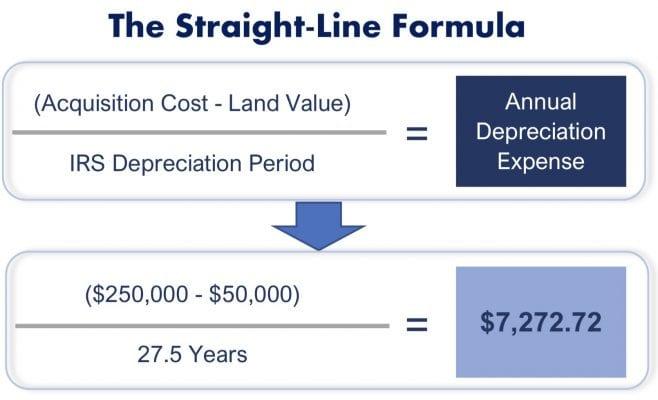
Depreciation in real estate is a vital concept that allows property owners to account for the gradual wear and tear of their investment over time. By recognizing this decrease in value, investors can reduce their taxable income, resulting in meaningful tax savings. Property depreciation is typically calculated using two primary methods: straight-line depreciation and declining balance depreciation. The straight-line method is the moast commonly used; it spreads the cost of the property evenly over its useful life. In contrast, the declining balance method accelerates the depreciation expense in the earlier years, which can be beneficial for those seeking immediate tax relief. Ultimately, understanding these methods empowers real estate investors to make informed decisions that align with their tax strategies.
Moreover, several factors influence the depreciation of real estate assets, such as the property type, location, and any qualifying improvements made over time. in addition to residential and commercial properties, investors may also be eligible to depreciate certain fixtures and improvements, broadening the scope of potential tax savings. Here are some key points to consider:
- Residential Property: Typically depreciated over 27.5 years.
- Commercial Property: Generally depreciated over 39 years.
- capital improvements: Certain renovations can be depreciated separately and may have shorter recovery periods.
Utilizing depreciation strategically can enhance cash flow and allow property owners to reinvest in their portfolios more effectively. Additionally,keeping meticulous records of all transactions and determining the accurate basis for depreciation are essential to maximally leverage this tool in tax planning.
Identifying Depreciable Assets: A Comprehensive Guide for Property Owners
When determining which assets can be depreciated, property owners should consider several key factors that define the eligibility of their investments. Depreciable assets typically include the tangible properties that are used in the business of real estate,such as:
- Buildings: Residential and commercial structures that provide rental income.
- Improvements: structural enhancements, such as renovations or additions to existing properties.
- Land Improvements: Features such as landscaping, fencing, and parking lots that increase the property’s value.
Additionally, it’s important to recognize that not all assets qualify for depreciation. Liquid assets, such as land, are generally excluded from depreciation claims as they do not wear out or suffer from obsolescence. Moreover, personal property, such as furniture or appliances used in rental properties, can be depreciated over a shorter period. Understanding these classifications can aid in identifying which components of a property portfolio will yield the most significant tax benefits through depreciation.
| Type of Asset | Depreciable Period |
|---|---|
| Residential Rental Property | 27.5 years |
| Commercial Property | 39 years |
| Qualified Improvement Property | 15 years |
Strategic Timing for Depreciation deductions: optimizing your Tax Returns
To optimize your tax returns through depreciation deductions, it’s crucial to understand the timing of your deductions.By strategically choosing when to claim depreciation, you can possibly lower your taxable income. For example, if you purchase a property at the end of the tax year, you may only be able to claim a partial depreciation for that year. Conversely, beginning the depreciation process at the start of the tax year can maximize your deduction against rental income for the entire year.Thus, careful scheduling of property acquisition and understanding the different methods of depreciation can lead to significant tax savings.
Moreover,consider the various types of depreciation methods available. Cost segregation is one technique that enables property owners to accelerate depreciation by identifying and separating out personal property components from real estate. This method can result in immediate tax benefits by creating shorter depreciation schedules for specific components, thus enhancing cash flow.Below is a brief overview of standard depreciation methods:
| Method | Description | Benefits |
|---|---|---|
| Straight-Line | Equal depreciation expense each year | Predictable tax savings |
| Declining Balance | Accelerated depreciation for earlier years | Larger deductions upfront |
| Sum-of-the-Years’-Digits | Accelerated method with varied deductions | Faster recovery of costs |
Leveraging Advanced Depreciation methods to Enhance Cash Flow and Investment Growth
Incorporating advanced depreciation methods can significantly improve cash flow and foster investment growth for real estate investors. By utilizing techniques like accelerated depreciation, property owners can write off a larger portion of their property’s value within the initial years of ownership.This results in a reduced taxable income, allowing investors to retain more cash for reinvestment or operational expenses. some of the most effective methods include:
- Straight-Line Depreciation: Spreads the asset’s cost evenly over its useful life.
- Double Declining Balance: front-loads depreciation in the earlier years, maximizing early tax deductions.
- Modified Accelerated Cost Recovery System (MACRS): Employs various rates for different asset classes, optimizing tax benefits further.
Using these methods effectively can lead to a robust financial strategy. To illustrate potential tax benefits, consider the following example of a property with an original purchase price of $500,000 and a useful life of 27.5 years:
| Year | Depreciation Expense | Tax Savings (Assuming 30% Tax Rate) |
|---|---|---|
| 1 | $18,181 | $5,455 |
| 2 | $18,181 | $5,455 |
| 3 | $18,181 | $5,455 |
| 4 | $18,181 | $5,455 |
| 5 | $18,181 | $5,455 |
Over the first five years, this method can yield significant tax savings, enhancing cash flow and providing more capital for future investments. As each investor’s circumstances can vary, consulting with a tax professional is advisable to tailor these strategies to specific portfolios.
Closing Remarks
effectively leveraging depreciation offers real estate investors a valuable strategy for maximizing tax benefits. By understanding the nuances of property depreciation and its implications on cash flow and taxable income, investors can optimize their financial outcomes and enhance their overall investment strategy. As the real estate market continues to evolve, staying informed about tax regulations and potential deductions is essential for making informed decisions. It is advisable to consult with a learned tax professional or financial advisor to tailor these strategies to your specific circumstances, ensuring compliance while maximizing the benefits available to you. With careful planning and strategic execution, you can navigate the complexities of depreciation, ultimately positioning your investments for long-term success and sustainability. Thank you for engaging with this analysis, and we encourage you to explore further resources to deepen your understanding of effective tax management in real estate.