

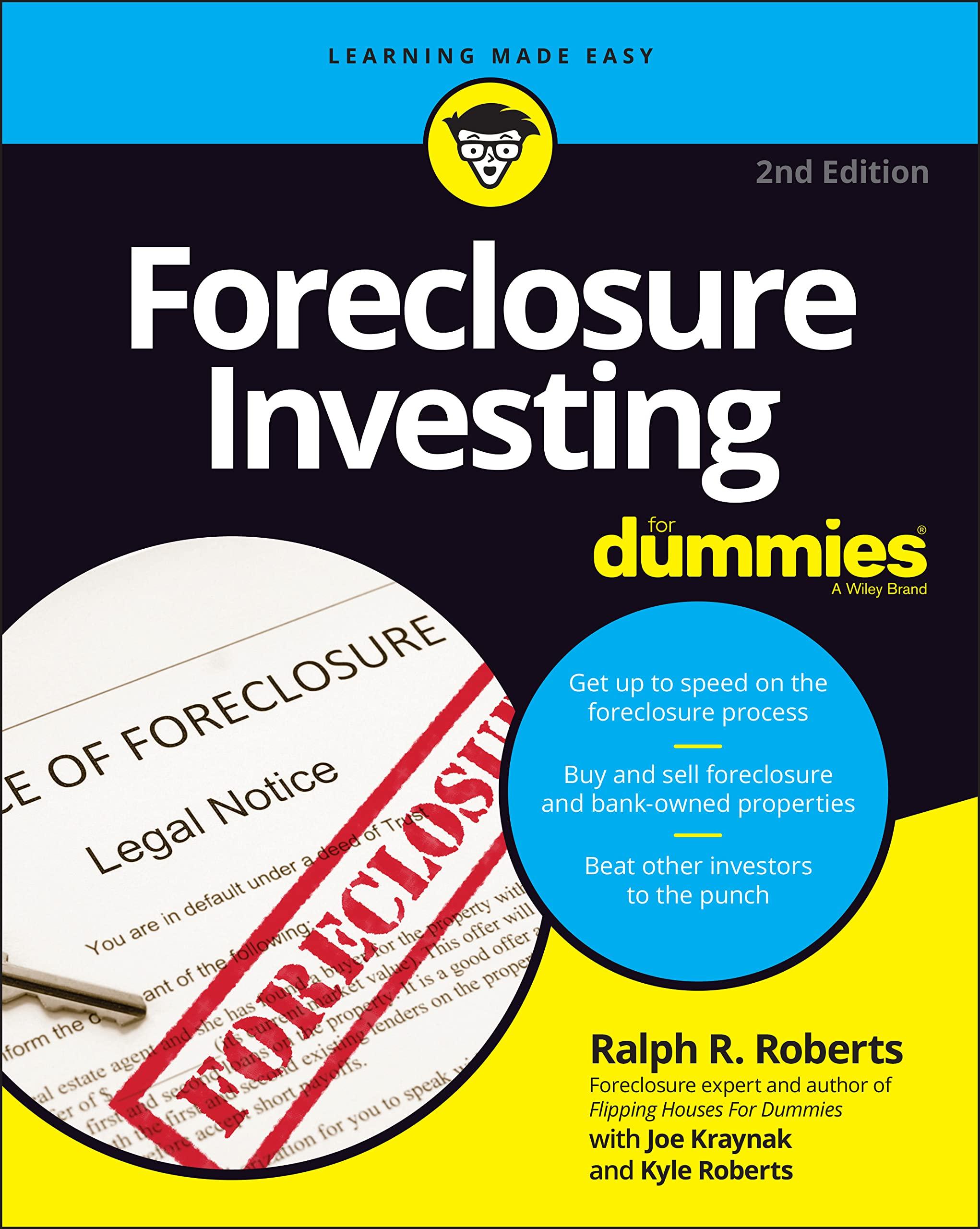
In the ever-evolving landscape of real estate, foreclosure investing presents a unique opportunity for savvy investors to unlock considerable returns. With the potential for significant discounts on properties that might or else remain out of reach, the allure of foreclosures is undeniable. Though, navigating this complex market can be daunting, requiring a keen eye for detail and a strategic approach. Whether you’re a seasoned investor looking to diversify your portfolio or a newcomer eager to tap into this lucrative sector,understanding the nuances of foreclosure investing is essential. In this article, we’ll explore smart strategies to maximize your returns, from identifying promising properties to understanding financing options and mitigating risks. let’s dive into the world of foreclosure investing and discover how you can turn challenges into opportunities for financial growth.
Table of Contents
- Understanding the Foreclosure Market Dynamics
- Assessing Property Value and Potential for Profit
- Financing Options and Budgeting for Foreclosure Investments
- Mitigating Risks Through Due Diligence and Market Research
- Insights and Conclusions
Understanding the Foreclosure Market Dynamics
The foreclosure market is influenced by a myriad of factors, particularly economic conditions and housing trends. Understanding these dynamics is essential for anyone looking to invest wisely in this sector. Some key elements that affect the marketplace include:
- Interest rates: Fluctuating interest rates can impact mortgage affordability and, consequently, the rate of foreclosures.
- Local Economy: Job growth or decline in a region greatly affects homeowners’ ability to meet mortgage obligations.
- Real Estate Supply and Demand: An oversaturation of properties can drive prices down, presenting both risks and opportunities for investors.
- Legislative Changes: Policies affecting housing and foreclosure processes can alter market conditions rapidly.
Investors must also consider the timing of their entry into the foreclosure market. The cycle of foreclosures generally follows broader real estate trends, meaning that strategic investment requires an understanding of both current conditions and projections. here’s a simple overview of foreclosure trends over the past few years:
| Year | Foreclosure Rate (%) | Average Home Price ($) |
|---|---|---|
| 2020 | 1.6 | 250,000 |
| 2021 | 1.3 | 275,000 |
| 2022 | 1.8 | 300,000 |
| 2023 | 1.5 | 320,000 |
Assessing property value and Potential for Profit
To make informed decisions in foreclosure investing, it’s crucial to evaluate both the current market value and the potential for profit of the property. Start by conducting a thorough comparative market analysis (CMA), which involves examining similar properties in the area that have recently sold. This helps in understanding what buyers are willing to pay and establishes a baseline for your target property. Additionally,consider the potential for renovations or upgrades that could elevate the property’s value. Factors to assess include the age of major systems (roof, HVAC, plumbing), the overall structural condition, and the potential for increasing the square footage.
Furthermore,it’s essential to analyze local trends and neighborhood dynamics that can impact property values. Here are some key points to consider:
- Location: Proximity to amenities such as schools, shopping centers, and public transport.
- market Trends: Are property values in the area appreciating or depreciating?
- Economic Indicators: Job growth, unemployment rates, and population trends can affect demand.
Ultimately, understanding these elements will allow investors to gauge the risk and reward associated with a property. Below is a simple table showcasing hypothetical properties for better clarity:
| Property Type | Market Value | Estimated Repair Costs | Projected Profit |
|---|---|---|---|
| Single Family Home | $200,000 | $30,000 | $50,000 |
| Condominium | $150,000 | $20,000 | $30,000 |
| Multi-Family Unit | $300,000 | $50,000 | $100,000 |
financing Options and Budgeting for Foreclosure investments
When venturing into foreclosure investments, having a clear financing strategy is crucial to ensuring profitability. A variety of financing options are available to investors, including traditional bank loans, private money lending, and even crowdfunding platforms specifically tailored for real estate. Each option comes with its own set of advantages and drawbacks, which can affect your overall budget and return on investment. It’s vital to assess your financial situation, available equity, and risk tolerance when deciding on a financing route. Consider the following funding sources:
- Conventional mortgages: Often provide the best interest rates but may require a larger down payment.
- Hard money loans: Fast access to funds, but come with higher interest rates and shorter repayment terms.
- Partnerships: Teaming up with investors can spread the risk and financial burden.
- Home equity lines of credit (HELOC): Leverage existing property values for funding.
In tandem with selecting the right financing, effective budgeting is key to maximizing the potential returns on your foreclosure investments. Drafting a thorough budget that factors in not only the purchase price but also renovation costs, ongoing maintenance, and unexpected expenses will safeguard against costly surprises. creating a budget spreadsheet that categorizes your anticipated expenses can provide clarity on your financial landscape:
| Expense Category | Estimated Cost |
|---|---|
| Purchase Price | $150,000 |
| Renovation Costs | $30,000 |
| Closing Costs | $5,000 |
| Maintenance Fund | $2,000/year |
By understanding your financing options and maintaining a detailed budget, you can navigate the complexities of foreclosure investments more effectively, setting yourself up for future success.
Mitigating Risks Through Due Diligence and Market Research
Effective foreclosure investing hinges on thorough due diligence and comprehensive market research. Before diving headfirst into any investment opportunity, it is crucial to familiarize yourself with the property’s history, its current market value, and the dynamics of the surrounding area. Key aspects to consider include:
- Property Condition: Assess the state of the property, including any repairs or renovations needed.
- Comparable Sales: Analyze recent sales in the area to gauge a fair market price.
- Neighborhood Trends: Investigate the economic outlook and developments that could affect property values.
- Legal Issues: Scrutinize any lien, title, or zoning issues that may complicate future ownership.
Utilizing these guidelines can considerably decrease your investment risks. to facilitate your analysis, consider creating a resource table to summarize key findings as follows:
| Criteria | Findings |
|---|---|
| Property Condition | Needs $15,000 in repairs |
| Last Sold Price | $200,000 |
| Neighborhood Avg. Value | $250,000 |
| Potential Rent | $1,800/month |
By adhering to these meticulous preparatory steps, investors can not only protect their capital but also position themselves to capitalize on the lucrative opportunities foreclosures present.
Insights and Conclusions
navigating the world of foreclosure investing can be both rewarding and challenging. By employing the smart strategies outlined in this article, you can position yourself for success in this lucrative market. Remember to conduct thorough research, understand the intricacies of the legal landscape, and leverage effective financing options to maximize your returns.
As with any investment venture, patience and diligence are key. Stay informed about market trends, keep a close eye on property values, and be prepared to adapt your strategies as needed. Foreclosures can offer exceptional opportunities for those willing to invest the time and effort.
Whether you’re a seasoned investor or just starting out,embracing a strategic approach will not only enhance your investment portfolio but also contribute to your growth as a savvy real estate investor. So, take the first step, armed with knowledge and confidence, and unlock the potential of foreclosure investing. Happy investing!