

Introduction:
In the dynamic world of real estate, few factors exert as much influence on market trends as interest rates. Economic shifts, monetary policy adjustments, and even global events can send ripples through the lending landscape, ultimately impacting buyers, sellers, and investors alike. As interest rates fluctuate, they play a pivotal role in determining mortgage affordability, property values, and the overall health of the housing market. In this article, we’ll delve into the intricate relationship between interest rate movements and real estate trends, exploring how these changes can shape decisions for both homebuyers and investors. Whether you’re a seasoned professional in the industry or a first-time buyer navigating the complexities of the housing market,understanding this relationship is crucial for making informed decisions in an ever-evolving landscape. Join us as we unpack these connections and provide insights that can definitely help you stay ahead of the curve in today’s competitive real estate environment.
Table of Contents
- Impact of Interest Rate Changes on Housing Demand and Supply Dynamics
- Analyzing Historical Trends: How Previous Rate Adjustments shaped Real Estate Markets
- Strategies for Investors: Navigating Real Estate Opportunities in a Shifting Rate Environment
- Future Forecasts: Anticipating Market Responses to Upcoming interest Rate Movements
- Closing Remarks
Impact of Interest Rate Changes on Housing Demand and Supply Dynamics
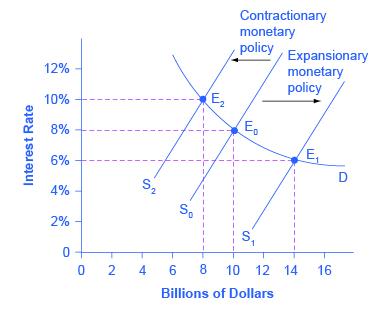
Interest rate changes play a crucial role in shaping the dynamics of housing demand and supply. When interest rates rise, borrowing becomes more expensive, leading potential buyers to reassess their purchasing power. Higher interest rates can result in decreased affordability, prompting many first-time buyers to either wait or opt for less expensive properties. as a outcome, overall housing demand may weaken, leading to longer time on the market for sellers. Investors may also retreat from the market as the cost of financing increases, which further diminishes demand and can perhaps stagnate price growth or even lead to price reductions.
Conversely,when interest rates fall,the landscape shifts dramatically. Lower borrowing costs encourage more buyers to enter the market, as they can afford larger loans or better properties than they could when rates were higher. This influx of buyers frequently enough leads to increased competition, driving up home prices and creating a seller’s market. Additionally,homeowners may choose to refinance their existing mortgages,freeing up capital and providing them with more financial adaptability. This phenomenon can further strain housing supply, as fewer properties are listed for sale due to a reluctance among existing homeowners to trade their lower-rate mortgages for new, higher-rate ones. The interplay between these factors illustrates the delicate balance of housing market dynamics influenced by interest rate fluctuations.
Analyzing Historical Trends: How Previous Rate Adjustments Shaped Real Estate Markets
The landscape of real estate has always been intricately linked to fluctuations in interest rates.Historical data reveals that periods of rising interest rates frequently enough lead to a cooling off in housing markets,as the cost of borrowing increases and affordability becomes a pressing concern for potential buyers. Conversely, when rates are lowered, more individuals enter the market, eager to capitalize on cheaper financing options. This dynamic creates a ripple affect, influencing everything from property values to rental prices. Notable patterns observed during significant rate adjustments include:
- Increased inventory during rising rates, as home sellers anticipate a downturn.
- heightened competition when rates decline, leading to bidding wars and escalating prices.
- Diverse market reactions across different segments; luxury vs. first-time homebuyers may respond differently to rate shifts.
To further illustrate this relationship, the table below summarizes pivotal interest rate changes and their immediate impact on housing market indicators:
| Year | Interest Rate Change | Market Effect |
|---|---|---|
| 2008 | -2.25% | Housing boom, increased purchases |
| 2015 | +0.25% | Moderate slowdown, plateau in prices |
| 2018 | +0.75% | Drop in sales, rise in inventory |
| 2020 | -1.25% | Surge in demand, record low mortgage rates |
Understanding these past trends allows investors, homeowners, and real estate professionals to better navigate today’s shifting landscape. moreover, it provides a framework for anticipating how future interest rate adjustments may influence the market. As history has shown,the response to rate changes can vary considerably depending on broader economic conditions and consumer sentiment,making it imperative for stakeholders to remain vigilant and informed.
Strategies for Investors: Navigating Real Estate Opportunities in a Shifting Rate Environment
in a fluctuating interest rate environment, savvy investors must adopt a proactive approach to seize real estate opportunities.A extensive understanding of how interest rates influence market dynamics is essential for developing effective investment strategies.Start by considering the following actions:
- monitor Economic Indicators: Keep an eye on inflation rates, employment data, and GDP growth, as these factors influence interest rate adjustments.
- Leverage Fixed-Rate Financing: In times of rising rates, locking in fixed-rate mortgages can protect against future hikes and ensure more predictable cash flow.
- Diversify Your portfolio: Explore various property types, such as residential, commercial, or vacation rentals, to mitigate risks associated with rate changes.
- Evaluate Cash Reserves: maintain sufficient liquidity to capitalize on opportunities that may arise when rates shift, such as distressed properties or motivated sellers.
Additionally, understanding local market conditions can yield valuable insights. Regional responses to interest rate fluctuations may vary, affecting supply and demand. Conducting a thorough analysis of housing trends in specific areas can help investors pinpoint lucrative opportunities. Consider utilizing a comparison table to examine how different regions react to interest rate changes:
| region | Response to Rate Hike | Potential Opportunities |
|---|---|---|
| Urban Areas | Slower appreciation | Invest in rental properties |
| Suburban areas | Stable demand | Single-family homes |
| Rural Areas | potential growth | Agricultural land |
Future forecasts: Anticipating Market responses to upcoming Interest Rate Movements
As we look ahead, the forecast for real estate markets in response to potential interest rate changes reveals several key factors that could shape future trends. Generally, the relationship between interest rates and real estate activity can lead to distinct patterns in buyer behavior and market dynamics. When rates are expected to rise,potential homebuyers may rush to secure financing,fearing that future affordability will decrease. Consequently, this urgency can cause a spike in demand, leading to increased property prices, especially in desirable locations. Conversely, if rates are projected to fall, it might encourage a more cautious buyer behavior, as some may hold off on purchasing, anticipating better deals in the near future.
Market analysts are keeping a close eye on various indicators to gauge the trajectory of interest rates, including central bank communications, inflation data, and employment statistics. These elements can affect investor confidence and later influence several real estate market segments. Key considerations include:
- Housing Supply: An increase in rates may deter new construction, limiting housing stock and further driving up prices.
- Commercial Real Estate: Higher rates could elevate borrowing costs for businesses, potentially leading to reduced investment in commercial properties.
- Investment Opportunities: Seasoned investors may seek out distressed assets at favorable rates, capitalizing on shifts.
To illustrate some of the anticipated impacts, the following table summarizes key scenarios based on interest rate fluctuations:
| Interest Rate Scenario | Expected Buyer Behavior | market impact |
|---|---|---|
| Rates Rise | Increased urgency to buy | Higher prices, possible bidding wars |
| Rates Fall | Possible wait-and-see approach | Stabilization in prices, reduced sales |
| No Change | Steady demand | Consistent price growth or stability |
Closing Remarks
understanding how interest rate shifts influence real estate trends is essential for both investors and homebuyers alike. As we’ve explored, interest rates act as a pivotal force in shaping market dynamics, from property demand and pricing to financing options and investment strategies. By keeping a keen eye on economic indicators and Federal Reserve policies, stakeholders can position themselves to make informed decisions that align with current market conditions.
As the economic landscape continues to evolve, so too will the implications of interest rate movements on the real estate market. Staying informed will not only enable you to navigate potential challenges but also capitalize on new opportunities as they arise. Whether you’re looking to invest, buy a home, or simply stay learned about market trends, understanding the interplay between interest rates and real estate is more important than ever.
Thank you for reading, and we encourage you to stay tuned for more insights and analysis on the complexities of the real estate market in our upcoming articles!