

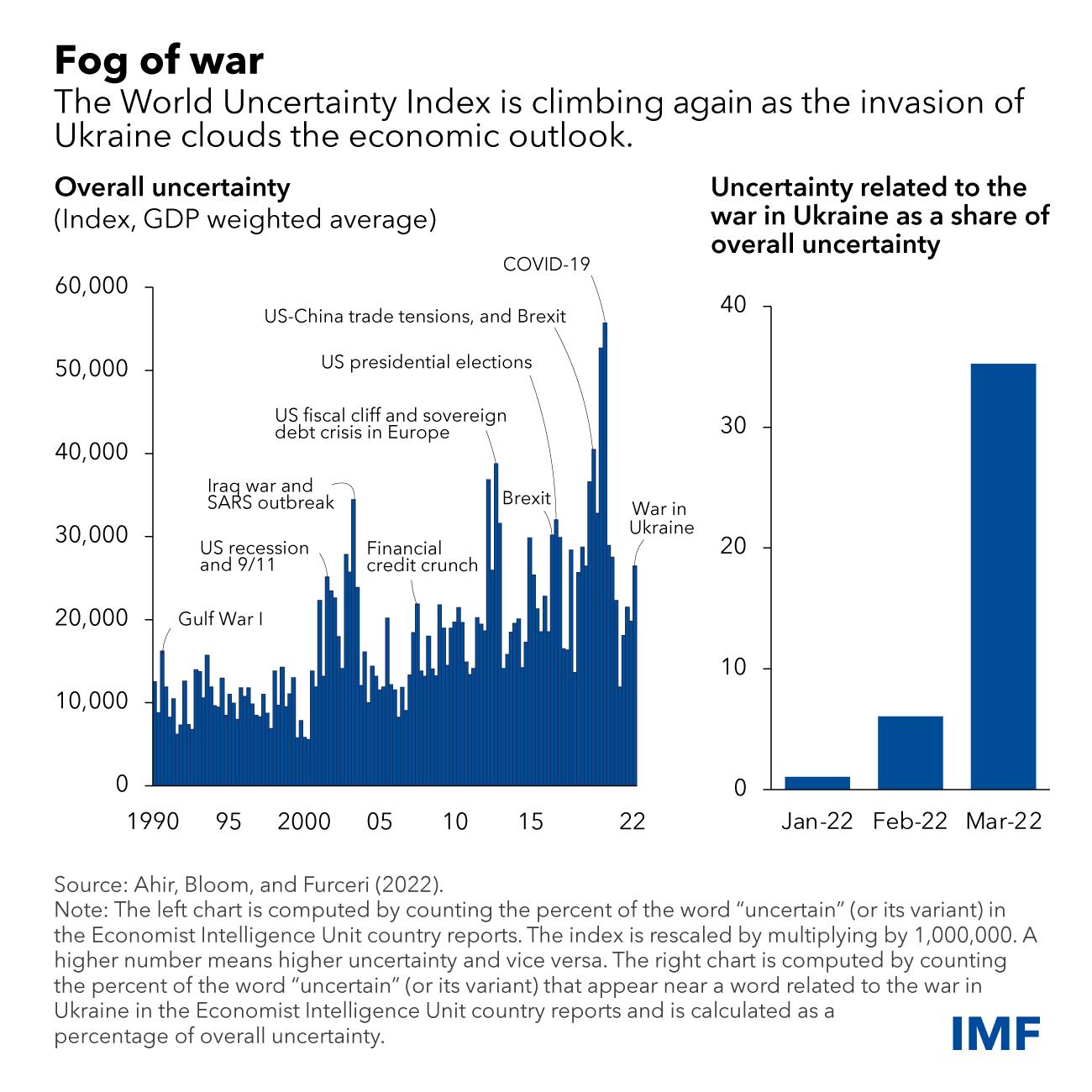
In today’s ever-evolving economic landscape, uncertainty has become the new norm. From fluctuating interest rates to shifting consumer demands, the real estate market is facing challenges that require keen insight and adaptability. As investors and homebuyers grapple with these unpredictable conditions, understanding current trends in real estate is more vital than ever. In this article, we will delve into the complexities of the market, offering valuable insights to help you navigate the waves of economic uncertainty. Whether you’re a seasoned investor or a first-time buyer, this guide will equip you with the knowledge you need to make informed decisions and seize opportunities in the fluctuating real estate landscape.Join us as we explore the latest trends shaping the market and the strategies that can help you thrive amidst unpredictability.
Table of Contents
- Understanding Market Fluctuations and Their Impact on Real Estate valuation
- Identifying Emerging Opportunities in Rental and Commercial Properties
- Strategies for Buyers and Investors to Mitigate Risks During Economic Volatility
- Preparing for the Future: Long-term Trends Shaping the Real Estate Landscape
- The Conclusion
Understanding Market Fluctuations and Their Impact on Real Estate Valuation
Market fluctuations are an inherent part of the economic landscape, influenced by a variety of interconnected factors including interest rates, employment rates, and consumer confidence. these fluctuations inevitably affect real estate valuation, making it crucial for investors and homeowners alike to stay informed. When the economy is booming, property values tend to appreciate as demand rises, attracting more buyers and driving up prices. Conversely, during periods of economic downturn, heightened uncertainty can lead to decreased demand, stagnating or even reducing property values. Understanding the nuances behind these cycles empowers stakeholders to make informed decisions, whether buying, selling, or holding onto real estate assets.
Several key elements contribute to the fluctuations in the real estate market:
- Interest Rates: Typically, lower interest rates encourage borrowing and investing, while higher rates can dampen demand.
- Economic Indicators: Metrics such as GDP growth, unemployment rates, and inflation levels can signal changes in market dynamics.
- Local Market Trends: Local developments, such as new schools, infrastructure projects, or zoning changes, can significantly impact regional property values.
To illustrate the interplay between market trends and property values, consider the following table detailing hypothetical changes in median home prices in response to varying economic indicators:
| Economic Indicator | Mediant Home Price Change (% Change) |
|---|---|
| Low Interest Rates | +8% |
| High Unemployment | -5% |
| New Infrastructure Development | +12% |
| National Economic growth | +10% |
by recognizing these factors and their potential impacts on real estate valuation, market players can better navigate through times of economic uncertainty, ensuring that their investment strategies remain robust and adaptable.
Identifying Emerging Opportunities in Rental and Commercial Properties
As the landscape of rental and commercial properties continues to evolve, identifying emerging opportunities requires a keen eye and a strategic approach. Investors should focus on areas experiencing population growth, as these regions often reflect increased demand for residential and commercial spaces. Key factors driving this trend include urbanization, job creation, and infrastructure development. Understanding local zoning laws and economic incentives can provide an added advantage, allowing savvy investors to optimize their portfolios in line with market shifts.
Moreover, the rise of remote work has transformed the commercial real estate sector, creating new niches and demands. Small and flexible office spaces, co-working environments, and hybrid models are gaining traction.When evaluating properties, consider the following aspects:
- Location: Proximity to transport hubs and amenities is crucial.
- space Adaptability: Configurable spaces attract diverse tenants.
- Sustainability: Eco-friendly buildings are increasingly sought after.
| Type of Property | Emerging Trend | Potential Opportunities |
|---|---|---|
| Residential | Multifamily units | growing rental demand in urban areas |
| Commercial | Flexible Workspaces | Rise in start-ups and freelancers |
| Retail | Experiential Shops | Blending online and offline experiences |
Strategies for Buyers and Investors to Mitigate Risks During Economic Volatility
In times of economic uncertainty,buyers and investors can adopt several strategies to protect themselves from potential pitfalls. One of the most effective methods is to conduct thorough market analysis.Understanding local real estate trends—such as demand, supply, and price fluctuations—can provide valuable insights for making informed decisions. Additionally, diversifying investment portfolios across different sectors can definitely help mitigate risks. This could mean investing not just in residential properties but also in commercial real estate or rental properties, thereby spreading exposure and potential losses across a broader spectrum.
Moreover, maintaining a strong financial cushion is essential. Investors should ensure they possess sufficient liquidity to cover any unexpected expenses or downturns.Establishing relationships with reliable local real estate agents can also provide crucial market intelligence and guidance, helping to identify emerging opportunities even in challenging environments. utilizing financial instruments such as options or insurance can serve as a protective layer,allowing buyers to secure their investments against market volatility. By integrating these approaches, buyers and investors can navigate the uncertain landscape with greater confidence.
preparing for the Future: Long-term Trends Shaping the real estate landscape
The real estate landscape is continuously influenced by a complex interplay of factors that define long-term trends. As urbanization progresses, cities are experiencing demographic shifts that alter housing demands. Millennials and Gen Z are increasingly prioritizing walkable communities, emphasizing sustainability and accessibility.This has propelled the demand for mixed-use developments,blending residential,retail,and recreational spaces. Moreover, the rise of remote work has catalyzed a significant migration from urban centers to suburban or rural areas, creating demand for properties that offer larger living spaces and home offices. Real estate investors are taking note and adapting their strategies to align with these evolving preferences.
Technological advancements are also a key driver in the change of real estate. Innovations such as smart home technology, proptech solutions, and artificial intelligence are reshaping how properties are marketed, sold, and managed. these technologies enable realtors to analyze market trends more effectively, enhancing decision-making processes. Moreover, sustainability is gaining traction, with many investors prioritizing green building certifications and energy-efficient features in their portfolios. A growing number of potential buyers are actively seeking eco-friendly homes, which can often lead to higher resale values. As these trends continue to develop, real estate stakeholders must remain vigilant and adaptable to secure their positions in this dynamic environment.
The Conclusion
As we conclude our exploration of navigating economic uncertainty within the real estate landscape, it’s clear that adaptability and informed decision-making are more crucial than ever. The interplay between evolving market trends, shifting consumer behaviors, and economic indicators requires real estate professionals and investors to remain vigilant and proactive.
Staying educated on market dynamics, leveraging data analytics, and understanding regional variations in real estate can empower you to make sound investments and strategic decisions. While uncertainty may pose challenges, it also presents opportunities for those who are prepared to pivot and innovate.
in these unpredictable times, fostering strong relationships with clients and maintaining openness will set you apart, building trust and resilience in yoru business.
we encourage you to continue your education, embrace new technologies, and engage with the real estate community. By doing so, you won’t just navigate through economic uncertainty; you’ll thrive in it. Thank you for joining us in this discussion, and we look forward to sharing more insights and strategies to help you succeed in the ever-evolving world of real estate.