

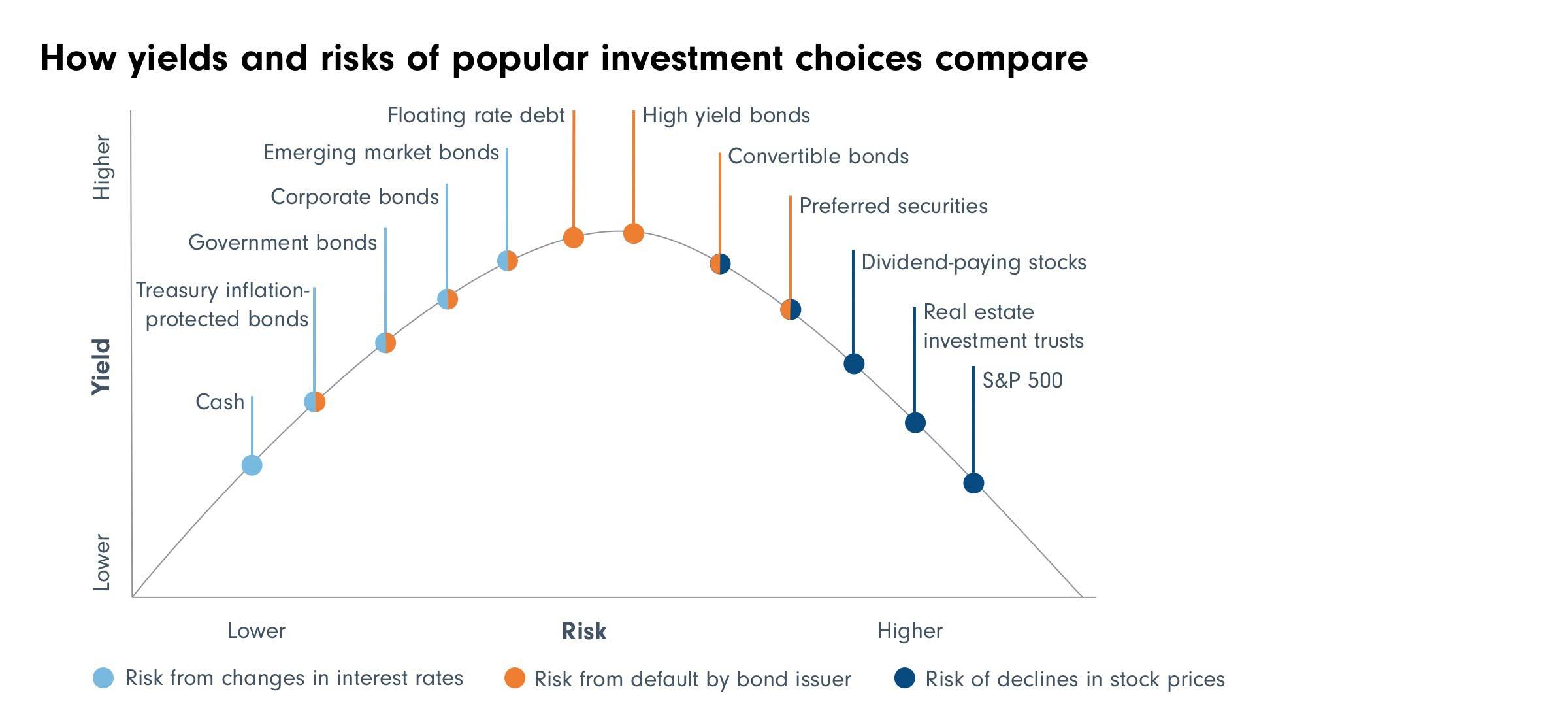
In today’s fast-paced financial landscape, the art of investing can often feel like navigating a maze. With countless options available, from burgeoning tech startups to established giants reallocating resources, discerning which opportunities will yield high returns can be a daunting task. Yet, uncovering the hidden gems among the myriad choices is not just a matter of luck; it requires a keen understanding of market dynamics, rigorous analysis, and a strategic mindset. In this guide, we’ll delve deep into the principles and methodologies that will empower you to identify high-potential investments effectively. Whether you’re a seasoned investor looking to refine your approach or a newcomer eager to make informed decisions, our comprehensive insights will aid you in unlocking substantial value and achieving your financial goals. Let’s embark on this journey to demystify the process and equip you with the tools needed to spot the next big opportunity.
Table of Contents
- Identifying Key Indicators of High-Potential Investments
- Conducting Thorough Market Research for Investment Success
- Leveraging Financial Metrics to Assess Investment Viability
- Developing a Strategic Approach to Portfolio Diversification
- In Summary
Identifying Key Indicators of High-Potential Investments
When evaluating potential investment opportunities, certain indicators can signal high growth potential. Market trends play a crucial role; businesses that align with emerging consumer preferences or technological advancements often exhibit superior scalability. Furthermore, examining the competitive landscape allows investors to gauge a company’s positioning—brands with unique value propositions and robust differentiation can more effectively capture market share and generate sustainable profits.
In addition to market dynamics, it’s essential to assess the financial health of the organization. Look for key metrics such as revenue growth rates, profit margins, and return on investment (ROI). Companies demonstrating consistent performance in these areas reflect operational efficiency and effective management. To facilitate a more structured evaluation, consider utilizing a comparison table that outlines crucial metrics:
| Metric | High-Potential Investment | Industry Average |
|---|---|---|
| Revenue Growth Rate | 25% | 10% |
| Profit Margin | 18% | 8% |
| ROI | 20% | 15% |
Conducting Thorough Market Research for Investment Success
Effective market research is the backbone of identifying investment opportunities that offer high potential for growth. Start by analyzing industry trends to pinpoint sectors experiencing rapid change or innovation. Utilize a combination of both qualitative and quantitative research methods to gather comprehensive insights. This may involve:
- Surveys and interviews with industry experts to gather firsthand knowledge.
- Financial analysis of public companies to evaluate performance metrics.
- Competitor benchmarking to understand market positioning.
Remember, data is only as useful as the context in which it’s applied. Identify the right key performance indicators (KPIs) to focus your analysis on metrics that truly reflect potential success in the market. Consider compiling your findings in an organized format:
| Metric | Importance | Target Value |
|---|---|---|
| Market Growth Rate | Indicates future demand | 10%+ |
| Profit Margins | Reflects profitability | 20%+ |
| Market Share | Assess competitive position | 15%+ |
By ensuring thorough and targeted research, investors are better equipped to make informed decisions that maximize their potential for success in a competitive market landscape.
Leveraging Financial Metrics to Assess Investment Viability
Understanding financial metrics is crucial for evaluating the viability of potential investments. Investors should focus on key indicators such as Return on Investment (ROI), Profit Margin, and Debt-to-Equity Ratio. By analyzing these metrics, one can gain insights into a company’s financial health and operational efficiency. For example, a high ROI suggests that the investment generates significant returns relative to its cost, while a robust profit margin indicates effective cost management and pricing strategies. Conversely, a high debt-to-equity ratio may signal financial risk, as it shows the extent to which a company relies on borrowed funds to finance its operations.
To streamline the evaluation process, consider creating a comparative analysis of several investment opportunities. This can be achieved through a simple table that organizes vital metrics side by side. By doing so, investors can easily spot which options align with their investment goals and risk tolerance. Here’s an example layout:
| Investment Opportunity | ROI (%) | Profit Margin (%) | Debt-to-Equity Ratio |
|---|---|---|---|
| Company A | 15% | 25% | 0.5 |
| Company B | 10% | 30% | 1.2 |
| Company C | 20% | 20% | 0.8 |
By utilizing this comparative approach, you can effectively leverage financial metrics to illuminate the paths to high-potential investments, making informed decisions that align with your financial objectives.
Developing a Strategic Approach to Portfolio Diversification
When it comes to portfolio diversification, a strategic framework is essential for mitigating risks while maximizing potential gains. A carefully curated approach can shield investors from market volatility and enhance long-term financial stability. Start by identifying different asset classes such as:
- Stocks – High-risk, high-reward financial instruments
- Bonds – Safer investments that provide steady income
- Real Estate – Tangible assets that can appreciate in value
- Commodities – Physical goods like gold or oil that tend to perform well in inflationary environments
Once you have pinpointed the various categories, the next step is to assess your risk tolerance and investment goals. Allocating your investments across these categories can mitigate risks while increasing the likelihood of returns. A suggested asset allocation model could look as follows:
| Asset Class | Percentage Allocation |
|---|---|
| Stocks | 50% |
| Bonds | 30% |
| Real Estate | 15% |
| Commodities | 5% |
This model serves as a starting point; however, individual circumstances may warrant adjustments. Regularly reviewing and rebalancing your portfolio is equally crucial to ensure it aligns with changing market conditions and personal financial goals.
In Summary
As we conclude our exploration of identifying high-potential investments, it’s clear that unlocking value in the investment landscape requires a combination of analytical skills, industry knowledge, and a keen understanding of market trends. By employing the strategies outlined in this guide—ranging from thorough research and analytical techniques to leveraging emerging technologies—you can enhance your ability to spot opportunities that others may overlook.
Remember, successful investing is not merely about finding the right stocks or assets; it’s about cultivating a mindset that embraces curiosity, resilience, and a willingness to adapt. With each investment, consider the larger picture and how it aligns with your overall financial goals.
As you embark on this exciting journey into the realm of high-potential investments, keep in mind that every expert investor was once a beginner who took the time to learn, adapt, and grow. We hope this guide equips you with the knowledge and tools necessary to make informed decisions and, ultimately, unlock greater value from your investment portfolio.
Thank you for joining us on this journey. We encourage you to share your thoughts and experiences in the comments below, or connect with us on social media. Here’s to your success in the world of investing!