

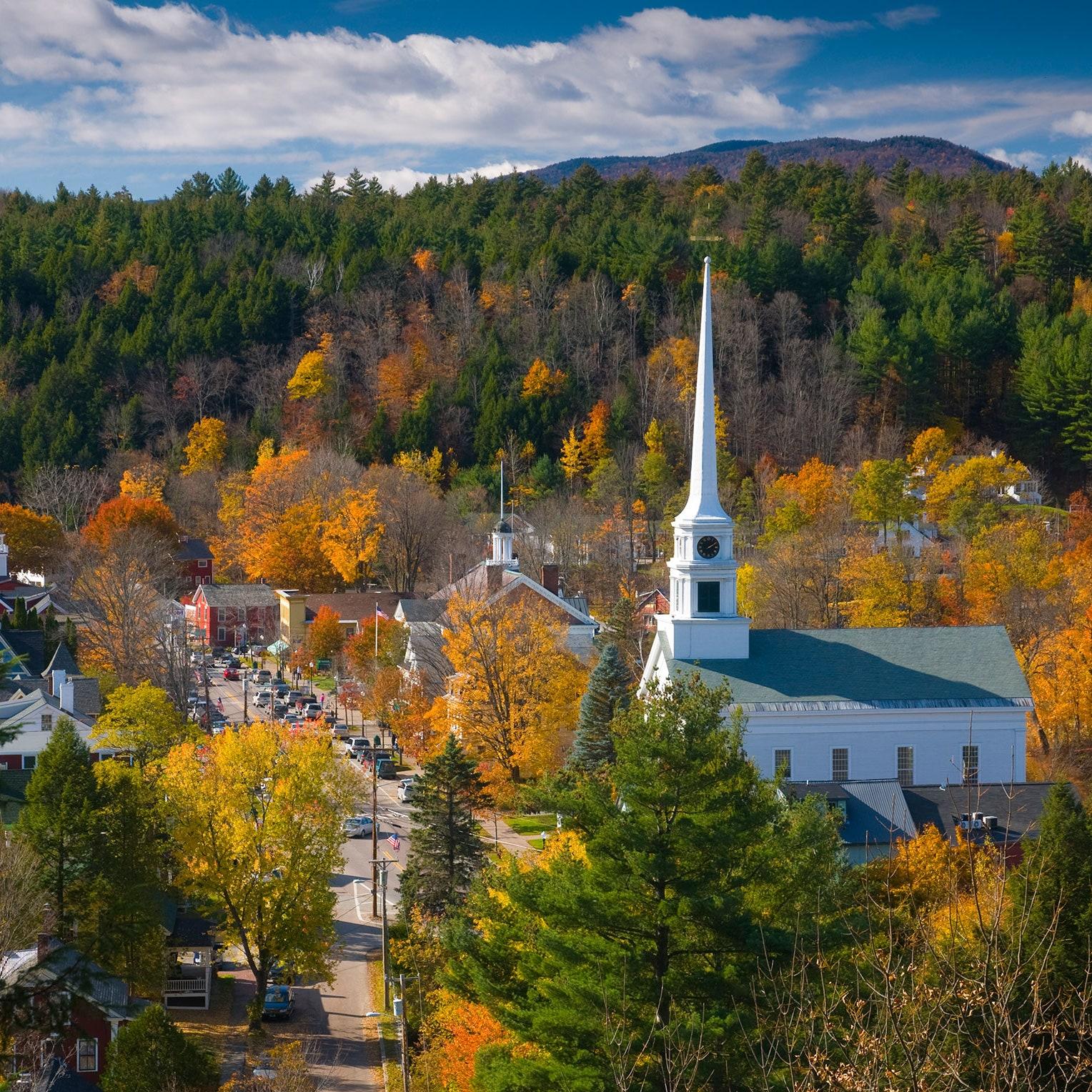
In recent years, a remarkable trend has emerged across the landscape of urban progress: smaller towns are experiencing a resurgence in popularity, drawing attention from individuals and families eager to escape the hustle of city life. This growing preference for quieter, more community-focused living is reshaping the narrative of where and how people choose to reside. Factors such as remote work versatility, a desire for natural surroundings, and an increased focus on quality of life have all played pivotal roles in this shift. In this article, we will explore the reasons behind the rising appeal of smaller towns, the benefits they offer, and what this means for the future of urban versus rural living. Join us as we dive into the dynamics driving this trend and what it could spell for communities across the country.
Table of Contents
- Understanding the Allure of Smaller Towns in Todays Society
- Key Factors Driving Population Growth in Rural Areas
- The Economic Benefits of Moving to Smaller communities
- Strategies for Adapting to Life in a Smaller Town
- in summary
Understanding the Allure of Smaller Towns in Todays Society
In recent years, there has been a noticeable shift in the preferences of many individuals and families, who are finding refuge in smaller towns. This trend is driven by a myriad of factors that resonate wiht those seeking a more balanced lifestyle. Affordability is a primary motivator; with housing costs spiraling in major urban areas, smaller towns offer more reasonable property prices and lower overall expenses. Additionally, the pace of life in these communities promotes greater mental well-being, allowing residents to escape the relentless hustle and bustle associated with city living.The sense of community in smaller towns fosters deeper connections among neighbors, somthing often lacking in bigger cities where anonymity prevails.
Moreover,the increasing feasibility of remote work has played a pivotal role in this exodus. In this age of connectivity, individuals no longer need to anchor themselves to metropolitan hubs to engage with employers or clients. Smaller towns provide an attractive option with scenic beauty, access to nature, and a tranquil atmosphere that can enhance productivity and creativity. The availability of local amenities, such as cozy cafés, farmers’ markets, and community events, cultivates a vibrant social scene, making it easier for newcomers to feel at home. here’s a brief comparison highlighting the allure of smaller towns:
| Factor | Smaller Towns | big Cities |
|---|---|---|
| Cost of Living | Affordability | High Expenses |
| Community | Tight-Knit | Anonymity |
| work Flexibility | Remote Opportunities | Restrictive Environment |
| Pace of Life | Relaxed | Fast-Paced |
Key Factors Driving Population Growth in Rural Areas
Increasingly, people are discovering the allure of rural living, fueled by several pivotal factors. one notable driver is the pursuit of a lower cost of living, where housing prices are markedly cheaper than in urban centers.This economic advantage allows families to secure larger homes and more land, enhancing their quality of life.Additionally, the rise of remote work has made it feasible for professionals to relocate without relinquishing their careers, leading to a newfound freedom in choosing residency.Access to nature and outdoor recreational activities has also become a significant draw, providing an appealing alternative to the hustle and bustle of city life.
Moreover, the sense of community and tight-knit social networks prevalent in smaller towns attract many individuals looking for connection and belonging. Safety and lower crime rates contribute to this desire, as people seek environments where they can raise families without the heightened anxiety often associated with urban living. As amenities improve in these areas—such as better healthcare facilities, educational institutions, and local businesses—more individuals see the potential for a fulfilling lifestyle outside metropolitan regions. Here’s a brief comparison of factors influencing migration trends:
| factor | Urban Areas | Rural Areas |
|---|---|---|
| Cost of Living | High | Low |
| Job Flexibility | Limited | Increasing |
| Community | Diverse | Tight-knit |
| Outdoor access | Limited | Abundant |
The Economic Benefits of Moving to Smaller Communities
In recent years, the allure of smaller communities has drawn an increasing number of individuals and families looking for a change. The lower cost of living is one of the most significant economic advantages that these towns offer. Residents often find that housing costs are substantially lower than in larger urban centers, allowing them to allocate more resources toward savings or investments. This trend is evident in the following:
- affordable Housing: Homes in smaller towns frequently enough come at a fraction of the price, enabling first-time buyers to enter the market.
- Lower Property Taxes: Smaller communities frequently have reduced tax burdens, leading to more disposable income.
- Reduced Cost of Daily living: Groceries, utilities, and other basic expenses are often less costly, contributing to overall financial wellness.
Moreover, smaller towns are increasingly fostering economic growth through local entrepreneurship and increased quality of life. The potential for starting local businesses is vast, as residents frequently rally around community-supported initiatives. Businesses can thrive in a tight-knit environment where community loyalty transforms customers into advocates. Key factors contributing to this economic boom include:
| Factor | description |
|---|---|
| Community Support | Residents are more likely to shop locally, boosting circulation within the community. |
| Access to Grants | Small businesses frequently enough have access to government grants and incentives, making startup costs manageable. |
| Quality of Life | A slower pace of life and lower stress levels attract talent, leading to a vibrant local workforce. |
Strategies for adapting to Life in a smaller Town
Transitioning to life in a smaller town can be both refreshing and challenging. To make this change smoother, embrace the local culture by participating in community events and initiatives.Networking is key; building relationships with neighbors and local buisness owners fosters a sense of belonging. Additionally,exploring outdoor activities such as hiking,fishing,and visiting local parks can be rewarding. Getting involved in these experiences will help you appreciate the unique charm of your new surroundings and enhance your social connections.
Another effective strategy is to keep an open mind about housing opportunities and work-life balance in a smaller setting. Consider the following possibilities:
| Housing Benefits | Work-Life Balance |
|---|---|
| Lower cost of living | Less commuting time |
| More space and affordability | Stronger community ties |
| Potential for DIY and advancement projects | Less stress and noise pollution |
By focusing on these aspects, you can create a fulfilling lifestyle that not only meets your needs but also enriches your experience in a smaller town.Adaptability is essential; embrace change,and the transition will become a journey of growth and discovery.
to sum up
As we’ve explored throughout this article, the trend of smaller towns gaining popularity is more than just a fleeting moment; it reflects a essential shift in how we view community, lifestyle, and work. the appeal of smaller towns—characterized by lower costs of living, stronger sense of community, and access to nature—is becoming increasingly evident, especially as remote work reshapes our professional landscapes.Whether it’s the slower pace of life, the charm of local businesses, or the opportunity to cultivate deeper relationships, these towns offer a refreshing alternative to the hustle and bustle of urban environments. As more people seek balance and fulfillment in their lives, smaller towns provide a compelling option that meets both personal and professional needs.
With this growing trend,we encourage you to consider the potential advantages that smaller towns can offer. Whether you’re contemplating a move, a weekend getaway, or simply engaging with these communities, there’s a world of opportunity waiting to be discovered. As we embrace this evolving narrative, one thing is certain: the charm and potential of small-town life are here to stay, fostering a sense of belonging that resonates with many in an increasingly disconnected world.
Thank you for joining us in this exploration. We hope this article inspires you to see the beauty and potential in America’s smaller towns. Stay tuned for more insights and discussions on the changing landscape of our communities!