

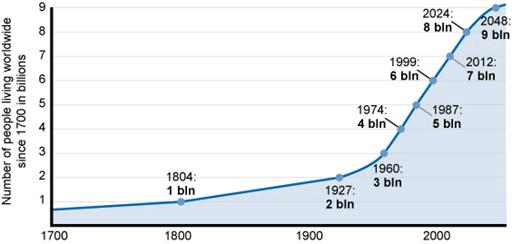
As urban landscapes evolve and expand, the dynamics of real estate demand are increasingly influenced by one pivotal factor: population growth. In recent years, the world has witnessed unprecedented demographic shifts, with urban areas swelling as more individuals migrate in search of opportunities, amenities, and improved living conditions. These shifts not only reshape the fabric of communities but also exert notable pressure on real estate markets. This article endeavors to dissect the intricate relationship between population growth and its effects on real estate demand, exploring the underlying economic principles, market variances, and socio-political implications that emerge from this complex interaction. By analyzing historical trends, current data, and future projections, we aim to provide a extensive understanding of how increasing population densities can drive demand across various segments of real estate—residential, commercial, and industrial—thereby informing stakeholders, investors, and policymakers in thier strategic decision-making processes.
Table of Contents
- Impact of Population Growth on Housing Supply and Demand Dynamics
- Key Demographic Trends Shaping Real Estate Market Needs
- Strategies for Real Estate Investors in an Expanding Population Landscape
- Policy Recommendations for Sustainable Urban Development Amid Population Increases
- The Way Forward
Impact of Population Growth on Housing Supply and Demand Dynamics
population growth considerably influences the housing market, as a larger population typically leads to an increased demand for residential properties. As urban centers swell with newcomers seeking employment,education,and lifestyle opportunities,this surge can create a tight housing market. With demand consistently outstripping supply, property prices tend to soar, leading to challenges for both buyers and renters. Key factors contributing to this phenomenon include:
- Migration Patterns: Influx into metropolitan areas increases competition for housing.
- Demographic Changes: Younger populations tend to favor urban living, further escalating demand.
- Economic Opportunities: Growth in job availability attracts residents, fueling additional demand.
Conversely, the ability of the housing supply to adapt to this demand can be hampered by various constraints. Regulatory hurdles, zoning laws, and the slow pace of new construction projects can restrict the availability of homes, exacerbating the issue of affordability. Additionally, the shift towards sustainable building practices, while environmentally beneficial, may also slow down construction timelines and increase costs. The following table illustrates the relationship between population growth rates and average housing prices:
| Population Growth Rate (%) | Average Housing Price ($) |
|---|---|
| 1-2 | 250,000 |
| 3-4 | 350,000 |
| 5+ | 450,000 |
Key Demographic trends Shaping Real Estate Market Needs
Population dynamics are crucial to understanding the evolving landscape of real estate demand. As urbanization accelerates,significant shifts in demographic profiles are influencing what types of properties are sought after. for instance, a notable rise in single-person households and a growing elderly population are driving demand for smaller, low-maintenance housing options. Furthermore, with millennials now forming the largest segment of the home-buying community, their preference for walkable neighborhoods filled with amenities is reshaping the residential market. This demographic shift not only creates a heightened demand for urban housing but also necessitates a reconsideration of space utilization and community infrastructure.
Along with housing preferences, various demographic factors contribute to the nuanced needs within the real estate market. The influx of diverse populations adds complexity to demand, influencing the types of properties that developers prioritize. Key trends include:
- Increased Diversity: A multicultural society that seeks diverse living environments.
- Aging Population: A growing requirement for accessible housing solutions.
- Remote Work Influences: A surge in demand for homes with dedicated office spaces.
These trends highlight the necessity for real estate stakeholders to remain proactive and adaptive, ensuring that their strategies align with the shifting needs of the population. Understanding these demographic trends will be imperative for predicting future market movements and addressing potential gaps in housing supply.
Strategies for Real Estate Investors in an Expanding Population Landscape
As population density increases,real estate investors have a prime chance to capitalize on burgeoning demand. One effective strategy is to focus on urban development. With more residents drawn to city life, the need for multifamily units, condos, and commercial spaces grows.Investors should consider properties within proximity to public transit and essential amenities, ensuring they meet the evolving needs of a diverse population. Additionally, green spaces and community features are significant draws for potential tenants.Developing or revitalizing such areas not only attracts residents but also enhances property values over time.
Another crucial approach is to diversify investment portfolios. As demographic trends shift, so too do housing preferences; for instance, younger generations may favor rental properties over home ownership. By understanding these dynamics, investors can strategically allocate resources to emerging neighborhoods that demonstrate potential for gratitude. Moreover, utilizing data analytics to identify market trends and consumer behaviors can provide insights into which sectors—like student housing, senior living, or affordable housing—are likely to thrive in an expanding population. This proactive stance will not only mitigate risk but also increase the potential for higher returns.
Policy Recommendations for Sustainable Urban Development Amid Population Increases
To address the challenges posed by rising population densities in urban areas, it is imperative that policymakers adopt a multi-faceted approach towards sustainable urban development. This can be achieved by:
- Promoting Mixed-Use Development: Encouraging zoning regulations that allow residential, commercial, and recreational spaces to coexist can minimize commute times and enhance livability.
- investing in Public Transportation: Expanding and modernizing public transport systems can reduce reliance on personal vehicles, cut down on traffic congestion, and decrease carbon emissions.
- Enhancing Green Spaces: Implementing initiatives to develop parks and community gardens not only improves air quality but also ensures residents have access to recreational spaces.
- Implementing Affordable Housing Policies: Developing policies that incentivize the construction of affordable housing units can help accommodate low- and middle-income families, ensuring equitable access to urban living.
Moreover, urban planners should leverage data analytics to predict future housing needs and avoid overdevelopment. Strategies may include:
- Utilizing Smart City Technologies: Integrating technology to monitor urban growth and manage resources efficiently can enhance decision-making processes.
- Establishing Sustainability Goals: Setting measurable targets for environmental impact can guide development practices and encourage accountability.
- Engaging Community Stakeholders: Incorporating feedback from local communities in the planning process ensures openness and builds trust among citizens.
| Recommendation | Expected Outcome |
|---|---|
| Mixed-Use Development | Increased accessibility and reduced commute times |
| Public Transportation Investment | Lower traffic congestion and increased transit ridership |
| Green Space Enhancement | Improved environmental quality and community health |
| Affordable Housing Policies | Greater housing equity and stability for low-income residents |
The Way forward
the intricate relationship between population growth and real estate demand highlights the vital role demographic trends play in shaping housing markets. As urban areas continue to experience significant population influxes, understanding the nuances of this phenomenon becomes essential for stakeholders across the real estate spectrum—from developers and investors to policymakers and urban planners. The evidence suggests that while population growth can lead to increased demand for housing and subsequent price escalations, it also necessitates a comprehensive approach to urban development that emphasizes sustainability, infrastructure, and affordability. Moving forward,it is imperative for all parties involved to engage in thoughtful analyses and strategic planning to ensure that the growth in real estate demand aligns with the evolving needs of a burgeoning population.As our cities continue to expand,a collaborative effort will be essential in balancing the complexities of demographic shifts with the availability of suitable housing,ultimately fostering resilient and inclusive communities.