

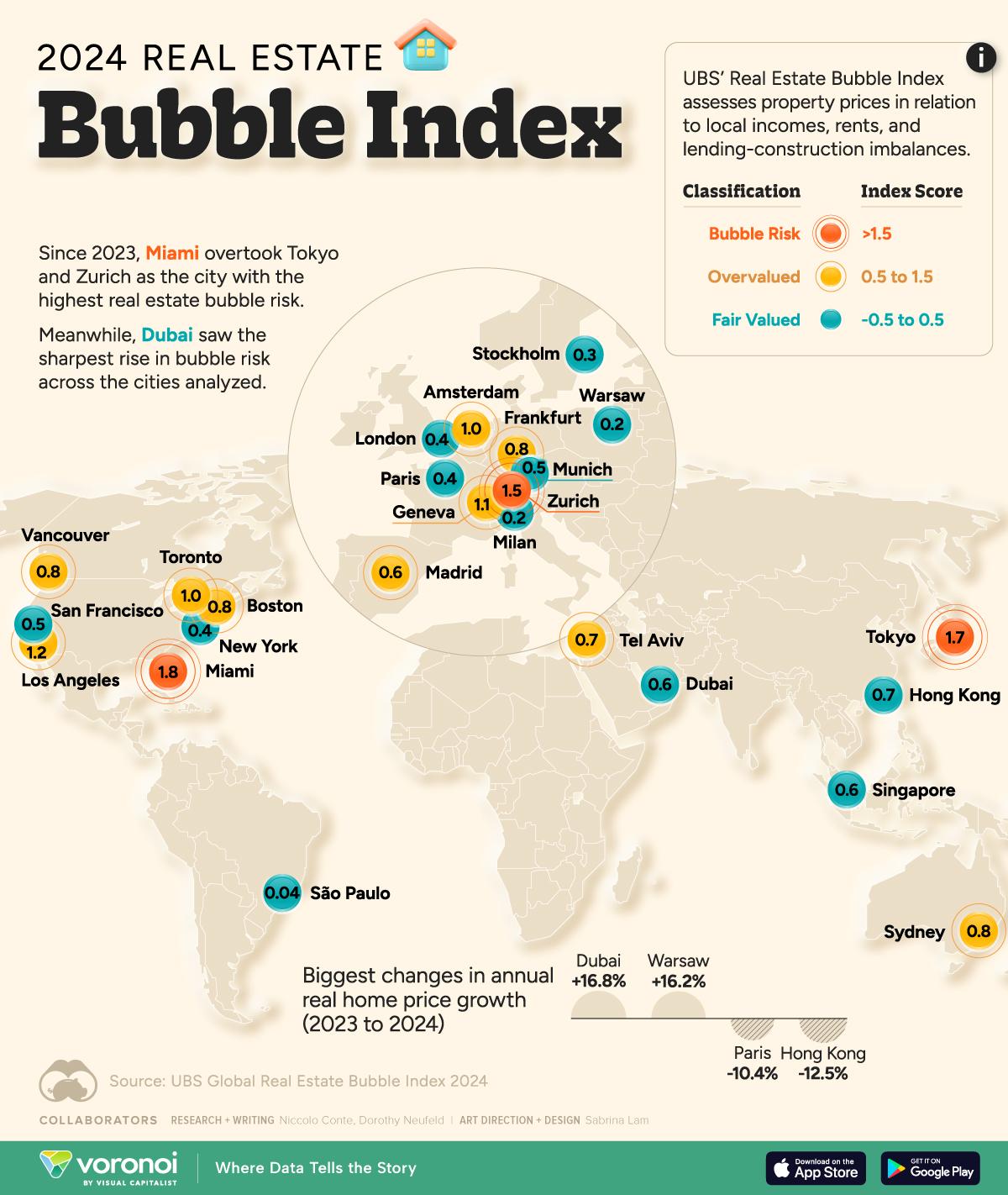
The real estate market has long been a barometer of economic health, pulsating with the rhythms of investment, speculation, and consumer behavior. However, within this seemingly robust sector lies a complex tapestry of cycles characterized by rapid price escalations—colloquially known as real estate bubbles. The examination of these bubbles has garnered increasing attention from economists,investors,and policymakers alike,given their potential to disrupt economies and devastate communities.This article aims to unravel the intricate patterns and dynamics that led to the formation and eventual bursting of real estate bubbles. By employing a multifaceted analytical approach, we will delve into ancient precedents, identify key economic indicators, and explore behavioral factors that converge to create these phenomena.Through this comprehensive analysis, we seek to provide insights that can inform strategies for mitigating risks associated with future market fluctuations, ultimately fostering a more resilient real estate sector.
Table of Contents
- Understanding the Economic Indicators of Real Estate Bubbles
- Historical Case Studies: Lessons from Past Real Estate Crises
- assessing Market Sentiment and Its Role in Housing Price Fluctuations
- Strategic Recommendations for Stakeholders to Mitigate Risks in Real Estate Investments
- Wrapping Up
Understanding the Economic Indicators of Real Estate Bubbles
Economic indicators serve as critical tools for identifying potential bubbles in the real estate market.Analysts often look at various metrics to gauge the health of the market and assess whether prices are driven by genuine demand or speculative behavior. Key indicators include:
- price-to-Income Ratios: A rising ratio suggests homes are becoming less affordable, signaling potential overvaluation.
- Price-to-rent Ratios: A meaningful increase may indicate that buying is becoming less favorable compared to renting, which could be a red flag.
- Mortgage Delinquency Rates: A spike can signal financial distress among homeowners, often a precursor to broader market corrections.
Along with these, analyzing the pace of construction relative to population growth is crucial. When development outpaces demand, supply may soon exceed a market’s absorption capacity, leading to a downward price spiral. Specific economic conditions to watch include:
- Interest Rates: Lower rates can spur demand, but prolonged periods of low rates can inflate asset prices unsustainably.
- Employment Rates: A robust job market usually supports housing demand, while rising unemployment can trigger a downturn.
- Consumer Confidence Index: Higher confidence often leads to increased purchasing power, pushing prices further upward.
| Indicator | Current Trend | Implication |
|---|---|---|
| Price-to-Income Ratio | Increasing | Possible Overvaluation |
| Mortgage Delinquency Rate | Rising | Financial Distress Signals |
| Consumer Confidence Index | Stable/High | Increased Purchasing power |
Historical Case Studies: Lessons from Past Real Estate Crises
Analyzing historical real estate crises provides invaluable insights into the patterns and behaviors that have precipitated market downturns. The dot-com bubble of the late 1990s and the subsequent housing crisis of 2008 serve as prominent examples. Key takeaways from these crises include:
- Excessive speculation fueled by easy credit and investor frenzy.
- The disconnect between asset prices and intrinsic economic values.
- Lack of regulatory oversight that can lead to unsustainable lending practices.
- The role of media hype in creating a false sense of security among investors.
Moreover, examining the aftermath of these events highlights critical recovery patterns that can inform future strategies. for instance, real estate markets often rebound in phases, emphasizing the importance of a long-term investment perspective. Some notable recovery factors include:
- Gradual stabilization as demand adjusts to market realities.
- A recalibration of housing prices reflecting improved fiscal policies and lending standards.
- Increased focus on sustainable building practices and community welfare.
| Real Estate Crisis | Year | Main Trigger | Outcome |
|---|---|---|---|
| Dot-Com Bubble | 2000 | Speculative Investments | Market Correction |
| Subprime mortgage Crisis | 2008 | High-risk Lending | Global Recession |
| European Debt Crisis | 2010 | Government Debt Levels | Credit Crunch |
Assessing Market Sentiment and Its Role in Housing Price Fluctuations
Market sentiment is a powerful force that can significantly influence the dynamics of housing prices.When buyers feel optimistic about the economy and their financial situations,they are more likely to invest in properties,driving up demand and prices.Conversely, in periods of pessimism, buyers may hold back, creating a surplus of inventory and a subsequent decline in prices. Understanding this relationship involves an analysis of various factors, including consumer confidence, interest rates, and economic indicators, which frequently enough serve as precursors to shifts in sentiment. As a notable example, regional employment rates can heavily impact local real estate markets, as higher job security typically leads to increased home purchases.
Investors and analysts often utilize sentiment indicators to predict future price movements. These indicators may include:
- Surveys of consumer confidence that gauge public sentiment regarding their financial health.
- Real estate market reports that assess current trends in sales volume and inventory levels.
- interest rate trends that can stimulate or depress borrowing costs.
Additionally, the emergence of speculative behavior during bullish trends can spark artificial price inflation, creating the potential for bubbles. Analyzing historical data helps identify patterns where rapid price increases have often preceded corrections, allowing stakeholders to make informed decisions. The following table illustrates notable examples of housing price fluctuations and their corresponding market sentiment indicators in various economic cycles:
| Year | Market Sentiment | Price Change (%) |
|---|---|---|
| 2006 | Optimistic | +20% |
| 2009 | Pessimistic | -30% |
| 2015 | Neutral | +10% |
| 2021 | Optimistic | +15% |
Strategic Recommendations for Stakeholders to Mitigate risks in Real Estate Investments
To effectively navigate the complexities of real estate investments, stakeholders must adopt a multi-faceted approach that emphasizes both proactive and reactive strategies. It is essential to engage in thorough market analysis and stay abreast of economic indicators that signal potential bubbles. Key strategies include:
- Diversification: Invest across different property types and geographic locations to spread risk.
- Regular Due Diligence: conduct routine assessments of property values and market conditions to ensure alignment with investment goals.
- Strategic Timing: Identify optimal entry and exit points by analyzing historical data and current trends.
Moreover, building strong relationships with industry experts can provide invaluable insights that enhance decision-making. Establishing a network of trusted advisors, including real estate agents, financial analysts, and legal professionals, enables stakeholders to stay informed about potential pitfalls associated with market fluctuations. Consider implementing a risk management framework that addresses potential scenarios through:
- Scenario Planning: Prepare for potential downturns by simulating adverse market conditions.
- Financial Buffers: Maintain a reserve fund to ensure liquidity during downturns.
- Leverage Technology: Utilize software tools for data analysis to forecast trends and optimize investment strategies.
Wrapping up
the intricate dynamics of real estate bubbles serve as a profound illustration of market psychology, economic forces, and regulatory frameworks in play. Our analysis reveals that while certain patterns—such as rapid price appreciation, speculative investing, and shifts in consumer sentiment—are recurring across historical contexts, the underlying factors driving these phenomena are unique to each instance. As we move forward, it becomes critical for stakeholders, including policymakers, investors, and economists, to remain vigilant and informed. By understanding the indicators and historical precedents discussed in this analysis, we can better navigate the complexities of the real estate market, possibly minimizing the impact of future downturns. As we unveil these patterns, we emphasize the importance of adopting a proactive and data-driven approach to real estate investment and policy formation. Only through such comprehensive analyses can we hope to foster a resilient and sustainable real estate market for years to come.