

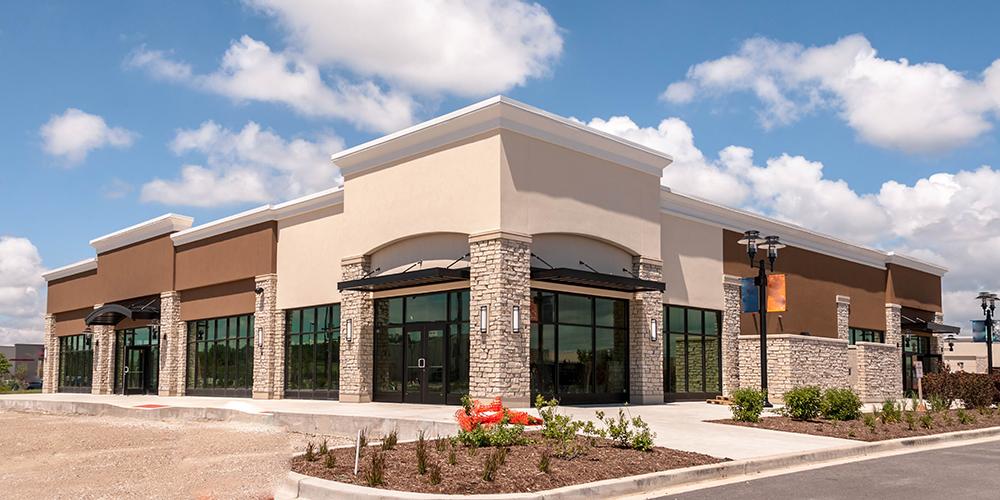
In the ever-evolving world of commercial real estate, understanding the nuances of leasing and renting is crucial for business owners, investors, and property managers alike. As the demand for flexible and strategic property solutions continues too grow, the terms “leasing” and “renting” often come into play, sometimes interchangeably, which can lead to confusion. This article aims to clarify the distinctions between these two arrangements, providing a thorough guide to help stakeholders make informed decisions in their commercial property dealings. By exploring the key features, benefits, and potential pitfalls of both leasing and renting, we endeavor to equip our readers with the knowledge necessary to navigate the complexities of the commercial property landscape with confidence.
Table of Contents
- Understanding the Distinctions Between Leasing and renting in Commercial Real Estate
- Key considerations for Making an Informed Decision on Property Use
- Financial Implications of Leasing Versus Renting for Businesses
- Best Practices for Negotiating Commercial Property Terms and Conditions
- The Way Forward
Understanding the Distinctions Between Leasing and Renting in Commercial Real Estate
In the realm of commercial real estate, understanding the nuances between leasing and renting is crucial for both property owners and tenants. While these terms are often used interchangeably, they represent different types of agreements with distinct implications. Leasing typically involves a long-term contract, frequently enough spanning several years, providing tenants with stability and the right to operate their business in a specified space. This arrangement frequently includes provisions for customization of the space and the ability to renew the lease, which can be advantageous for businesses looking to establish a lasting presence. Conversely, renting is generally associated with short-term agreements, offering greater flexibility but less security, making it suitable for businesses that may need to adapt or relocate quickly.
When determining which option is best, several factors come into play:
- Duration: Leases tend to be multi-year while rentals can be monthly or yearly.
- Customization: Leased spaces often permit renovations; rental spaces might not.
- Cost Stability: Leases usually have fixed rates; rentals might have fluctuating rates.
- Exit Strategy: Lease terminations can be complicated; renting typically allows for easier exit.
| Feature | Leasing | Renting |
|---|---|---|
| Contract Length | Long-term | Short-term |
| Customization | Possible | Limited |
| Stability | High | Low |
| Flexibility | Low | High |
Key Considerations for Making an informed Decision on Property Use
When deciding on the use of commercial property, it is essential to evaluate various factors that can substantially impact your business operations and finances. Key elements to consider include:
- Purpose of the Space: Determine whether your business demands a flexible arrangement or requires a permanent location. This will heavily influence your choice between leasing or renting.
- Financial Implications: Assess the long-term costs associated with leasing versus renting,including potential maintenance,renovations,and utility expenses.
- Duration of Use: Consider how long you need the property. A shorter need may suggest renting is more appropriate, whereas a long-term commitment might justify leasing.
- Market Trends: Stay updated on local market conditions, as these can affect property availability and costs, ultimately aiding in making an informed decision.
Additionally,the potential for property value appreciation shoudl not be overlooked. Analyzing it may provide insight into whether leasing and investing in a property would yield better long-term benefits compared to rental options. Other factors include:
- Customization needs: Determine if your business requires custom modifications that may be more feasible with leasing agreements.
- Legal Considerations: Be aware of the legal responsibilities tied to each option, from maintenance duties to compliance with local regulations.
- Exit Strategies: Evaluate the terms of agreement and the flexibility of exit strategies to ensure alignment with your business goals.
Financial Implications of Leasing Versus Renting for Businesses
The financial dynamics of leasing and renting can have profound implications for businesses navigating commercial property options. Leasing frequently enough involves a longer-term commitment, typically ranging from three to ten years, which provides businesses with the security of fixed costs over time. This can be particularly beneficial for budgeting and cash flow management, as it allows for better forecasting of future expenses.Additionally, many leases offer the possibility of equity growth through asset appreciation, giving businesses the chance to invest in property that may yield long-term returns. However,the initial outlays,such as security deposits and maintenance costs,can be significant,making it imperative for businesses to assess their capital availability carefully.
On the other hand,renting typically involves shorter agreements,offering more flexibility and reduced financial commitment. monthly expenses can be lower then those associated with leasing, as renters often avoid long-term contracts and hefty upfront costs. This arrangement can be beneficial for startups or businesses with fluctuating needs,enabling them to operate without the burden of long-term obligations. Still, renters might miss out on potential equity gains and will frequently enough face the uncertainty of property owners’ decisions on pricing and terms. when weighing these options, businesses should consider their long-term goals and financial forecasting to determine which path aligns better with their operational strategy.
| Aspect | Leasing | Renting |
|---|---|---|
| Contract Length | Long-term (3-10 years) | Short-term (monthly/yearly) |
| Cost Predictability | Fixed monthly payments | Potential for variable costs |
| Equity potential | Yes, may build equity | No, monthly payments only |
| Flexibility | less flexible | More flexible |
Best Practices for Negotiating Commercial Property Terms and Conditions
Clear communication plays a pivotal role in accomplished negotiations. Be clear about your budget and requirements while remaining open to the landlord’s perspectives. During discussions, focus on building a collaborative relationship rather than a confrontational one, fostering an habitat conducive to compromise. Here are some key points to consider during the negotiation process:
- Clearly outline your business’s future growth plans.
- Discuss potential lease flexibility options.
- Negotiate for tenant improvements if necessary.
| Term | Considerations |
|---|---|
| Lease Duration | Evaluate the length of commitment that suits your business needs. |
| Rent Increases | Understand how and when rent adjustments will occur. |
| Maintenance Responsibilities | Clarify who manages repairs and upkeep. |
| Exit Clauses | Ensure you have a plan for potential early termination. |
The Way Forward
understanding the distinctions between leasing and renting commercial property is crucial for businesses and investors alike. whether you are a startup seeking flexibility or an established enterprise looking for long-term stability, each option presents unique advantages and considerations. By carefully evaluating your specific needs, budgetary constraints, and future goals, you can make an informed decision that best aligns with your business strategy. As the commercial property landscape continues to evolve, staying informed and adaptable will empower you to navigate this complex market successfully. We hope this guide has provided clarity and insight, enabling you to take confident steps in your commercial property journey. Thank you for reading,and may your venture prove to be both prosperous and rewarding.