

In the realm of personal finance, understanding the intricacies of mortgage financing is crucial for homeowners looking to optimize their financial resources. one of the most notable and often underutilized assets at their disposal is home equity. Home equity, the difference between a property’s market value and the outstanding mortgage balance, presents homeowners with a unique possibility to access funds for a variety of purposes, including home improvements, educational expenses, or debt consolidation. This article delves into effective strategies for leveraging home equity as a pivotal component of mortgage financing. By exploring various options such as home equity loans, lines of credit, and cash-out refinancing, homeowners can gain insights into how to make informed decisions that align with their financial goals. Ultimately, understanding and strategically utilizing home equity can enhance financial stability and create pathways to long-term wealth accumulation.
Table of Contents
- Understanding Home Equity and Its Role in Mortgage Financing
- Evaluating Financial Options: Home Equity Loans versus Home Equity lines of Credit
- Strategic Approaches to Utilizing Home Equity for Mortgage Refinancing
- Risk Management Considerations When Leveraging home Equity in Financing
- Concluding Remarks
Understanding Home Equity and Its Role in mortgage financing
Home equity represents the portion of yoru property that you truly own, calculated by subtracting any outstanding mortgage balances from the current market value of your home. This concept is vital in the context of mortgage financing as it provides homeowners with a financial resource that can be leveraged for various purposes.The equity built over time can be used to secure loans, refinance existing mortgages, or fund significant expenses, including home renovations, education, or debt consolidation. Key factors contributing to home equity include:
- Property Recognition: As the real estate market rises, so does the value of your home, increasing your equity.
- Mortgage Repayment: Regular payments on your mortgage reduce the loan balance, thereby increasing your equity stake.
- Improvements and Upgrades: Enhancements made to your home can considerably boost its market value.
Utilizing home equity wisely can transform it into a powerful tool in mortgage financing strategies. Homeowners looking to capitalize on their equity have options such as home equity loans, lines of credit, or cash-out refinancing. Each of these strategies has different implications for your overall financial health and can be tailored to meet specific needs. To better understand the potential advantages of leveraging home equity, consider the following table outlining common financing options and their features:
| Option | Description | Pros |
|---|---|---|
| Home Equity Loan | A lump-sum loan based on your equity. | Fixed interest rates; predictable payments. |
| Home Equity Line of Credit (HELOC) | A revolving line of credit secured by your home equity. | Flexibility; only pay interest on what you use. |
| Cash-Out Refinance | Refinancing your mortgage for more than you owe and taking the difference as cash. | Access large amounts of cash; lower interest rates. |
evaluating Financial Options: Home Equity Loans versus Home Equity lines of Credit
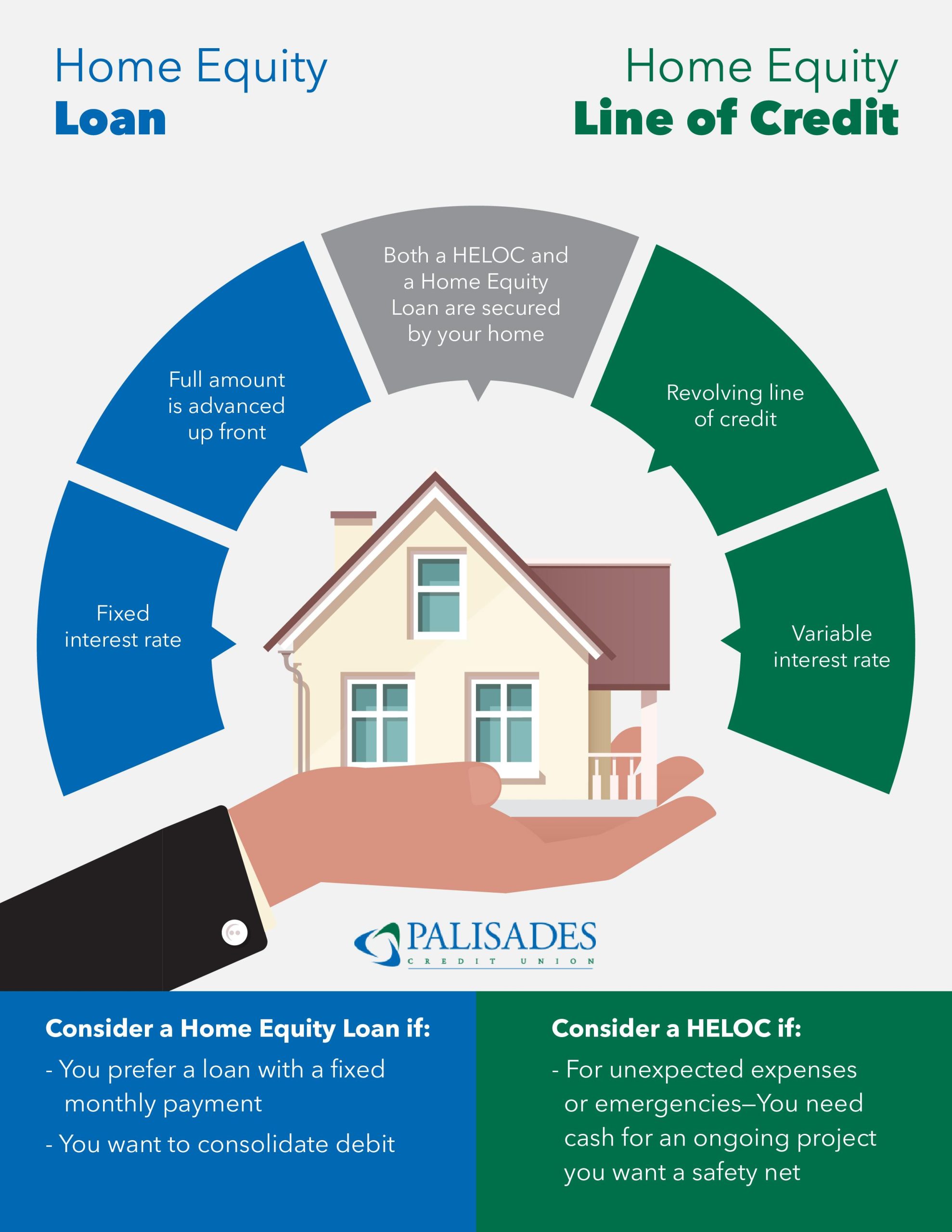
When considering how to leverage home equity, understanding the differences between home equity loans and home equity lines of credit (HELOCs) is essential for making informed financial decisions. Home equity loans provide a lump sum of cash upfront, secured against the value of your home. With this type of financing, you can expect fixed interest rates and predictable monthly payments, making budgeting straightforward. Key benefits include:
- Fixed payment structure for consistency
- Useful for large,one-time expenses (e.g.,home renovations,debt consolidation)
- Potential tax-deductible interest
Conversely,a home equity line of credit offers flexibility by allowing borrowers to withdraw funds as needed,up to a certain limit. This revolving credit option may involve variable interest rates, which can fluctuate over time. While this offers adaptability for various financial needs, it can led to unpredictable payment amounts. Consider the following advantages:
- Access to funds on an as-needed basis
- Payments vary based on usage, which can help manage cash flow
- Potentially lower initial interest rates compared to a home equity loan
| Feature | Home Equity Loan | HELOC |
|---|---|---|
| Structure | Lump sum | Revolving credit |
| Interest Rate | Fixed | Variable |
| Payment Schedule | Fixed payments | Variable payments |
| best Use | large, one-time expenses | Ongoing or variable expenses |
Strategic Approaches to Utilizing Home equity for Mortgage Refinancing
Utilizing home equity can empower homeowners to refinance their mortgages effectively, transforming potential financial burdens into opportunities for growth. One strategic approach is to conduct a thorough assessment of your home’s value in relation to your current mortgage balance. This assessment will help determine how much equity you have, enabling you to identify refinancing options that suit your financial goals. consider the following key factors when evaluating your options:
- current Interest Rates: Monitor the market for favorable interest rates that can lead to reduced monthly payments.
- Loan Terms: Explore different loan terms—shorter terms can save on interest over time, while longer terms lower monthly payments.
- Credit Score Improvement: If your credit score has improved since your original mortgage, you may qualify for better refinancing rates.
Another approach is the strategic use of cash-out refinancing, where you convert a portion of your home equity into cash. This can be especially useful for funding major expenses or investments, such as home renovations or paying off high-interest debt. Though, it’s crucial to approach this option with careful planning.Look for these considerations when opting for cash-out refinancing:
| Consideration | Impact |
|---|---|
| Loan-to-Value Ratio | Maintain a healthy ratio to avoid over-leveraging. |
| Closing Costs | Factor in costs to ensure it’s a financially sound decision. |
| Future Property Appreciation | Consider market trends to gauge if your investment will yield returns. |
Risk management Considerations When Leveraging Home Equity in Financing
When considering the use of home equity to finance other endeavors,homeowners must be acutely aware of the associated risks. Market fluctuations can affect home values, resulting in a decreased equity cushion. This reduction could leave homeowners vulnerable should they need to sell their property or refinance their mortgage. Other risks include interest rate increases, which can significantly impact monthly payments if the home equity loan or line of credit is variable. Additionally, homeowners should consider the possibility of over-leveraging, where the total debt secured against the home exceeds its value, leading to potential foreclosure risks. To mitigate these threats, a sound financial strategy that includes thorough research and realistic budgeting is essential.
Implementing protective measures can provide a safety net when utilizing home equity. Homeowners should evaluate potential uses of the funds, ensuring they are directed toward generating returns greater than the associated financing costs. Creating a contingency plan can further alleviate risks,particularly if income stability is uncertain. accordingly, establishing a budget that prioritizes debt repayment can help offset the risks linked to increased borrowing. Consider the following advantages of structured risk management:
| Advantage | Description |
|---|---|
| Financial Flexibility | Access to additional funds for emergencies or investments. |
| Lower Interest Rates | Home equity loans typically feature lower rates than credit cards or personal loans. |
| Potential Tax Benefits | Interest payments may be tax-deductible in certain circumstances. |
Concluding Remarks
leveraging home equity presents a strategic approach for homeowners seeking to optimize their mortgage financing. By understanding the various methods available—such as home equity loans, lines of credit, and cash-out refinancing—borrowers can make informed decisions that align with their financial goals. It is essential to carefully evaluate the potential risks and rewards associated with each option, and to consider current market conditions, personal financial circumstances, and long-term objectives. Consulting with financial advisors and mortgage professionals can provide valuable insights and guidance, ensuring that individuals maximize the benefits of their home equity while minimizing potential pitfalls. Ultimately, a well-thought-out strategy for leveraging home equity can serve as a powerful tool in achieving financial stability and growth.