

In the dynamic world of real estate, the allure of appreciation is a key factor that draws both seasoned investors and first-time homebuyers into the market. Understanding how to effectively capitalize on property value increases can significantly impact your financial future, transforming a simple investment into a lucrative asset. In this article, we will explore proven strategies to maximize your real estate gains, from smart location selection to strategic renovations and timing the market. Whether you’re looking to enhance the value of your primary residence or expand your investment portfolio, these insights will equip you with the knowledge needed to navigate the complexities of real estate appreciation successfully. Join us as we delve into the strategies that can help you unlock the full potential of your real estate investments.
Table of Contents
- Understanding Market Trends for Strategic Investments
- Enhancing Property Value Through Effective Renovations
- Leveraging Location and Community Development for Long-Term Growth
- Utilizing Financial Tools to Optimize Investment Returns
- To Conclude
Understanding Market Trends for Strategic Investments
In today’s ever-evolving real estate landscape, savvy investors must stay ahead of the curve by closely monitoring market dynamics. Understanding shifts in supply and demand, interest rates, and economic indicators can significantly influence decision-making. Some key factors to focus on include:
- Local Economy: Assess employment rates and industrial growth which often dictate property demand.
- Neighborhood Trends: Investigate revitalization projects and infrastructural developments that can lead to increased property values.
- Government Policies: Keep an eye on zoning laws and tax incentives that can affect investment viability.
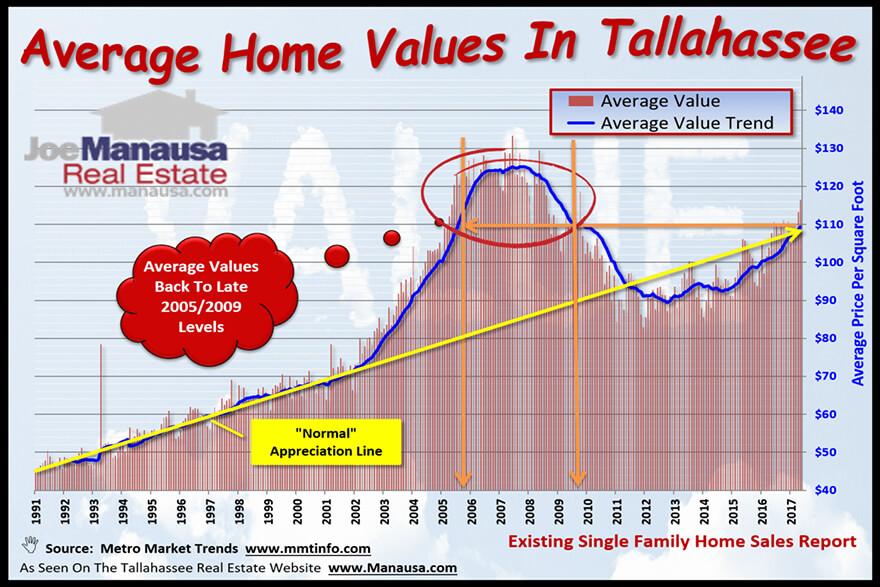
This analytical approach allows investors to anticipate fluctuations and capitalize on lucrative opportunities. A useful strategy includes benchmarking historical data against current conditions. For instance, you can analyze previous year-over-year appreciation rates to forecast future trends. Consider the following simplified table to outline appreciation projections based on local historical data:
| Year | Appreciation Rate (%) |
|---|---|
| 2020 | 5.2 |
| 2021 | 7.8 |
| 2022 | 4.5 |
| 2023 | 6.1 |
By fostering this level of insight, investors can make informed decisions, ensuring their portfolios remain robust and poised for appreciation amidst fluctuating market conditions.
Enhancing Property Value Through Effective Renovations
Investing in strategic renovations can significantly uplift the overall value of a property, transforming it into a lucrative asset for real estate investors. To achieve this, focus on enhancements that not only improve aesthetics but also offer functionality and energy efficiency. Consider prioritizing projects such as:
- Kitchen Upgrades: Modernizing countertops, cabinets, and appliances can dramatically increase a home’s appeal.
- Bathroom Remodels: Luxurious fixtures and updated layouts can make a property stand out to potential buyers.
- Energy-Efficient Improvements: Features like new windows, insulation, and heating systems can reduce utility costs and attract eco-conscious buyers.
- Curb Appeal Enhancements: Landscaping, painting exteriors, and improving entryways can create a lasting first impression.
It’s imperative to consider the local market trends when selecting renovation projects to ensure a positive return on investment. Renovations should not only align with contemporary styles but also resonate with local buyer preferences. A detailed analysis may help identify the most impactful changes. Below is a simple table showcasing common renovations and their average ROI:
| Renovation Type | Average ROI (%) |
|---|---|
| Minor Kitchen Remodel | 80 |
| Bathroom Addition | 60 |
| Roof Replacement | 70 |
| Landscaping | 100 |
Leveraging Location and Community Development for Long-Term Growth
Real estate investment is often driven by the promise of appreciation, but to fully capitalize on your assets, understanding and utilizing the surrounding community is essential. By focusing on amenities and services in the area, investors can position their properties to attract potential buyers and renters alike. Here are a few aspects to consider when leveraging location for growth:
- Proximity to Schools: Properties near reputable educational institutions often experience increased demand.
- Access to Transit: Locations with nearby public transport options tend to appreciate more, appealing to commuters.
- Community Development Plans: Keeping an eye on proposed infrastructure projects can give insights into future growth areas.
Community engagement and development initiatives can also significantly boost real estate value. Collaborating with local organizations, investing in green spaces, or initiating neighborhood events fosters a sense of community and enhances the overall attractiveness of a location. In addition, consider creating a community impact table that outlines how specific developments contribute to long-term growth:
| Development Type | Community Impact | Real Estate Advantage |
|---|---|---|
| Parks and Recreation Centers | Increased recreational options | Higher property values |
| Public Transport Enhancements | Improved accessibility | Increased tenant interest |
| Affordable Housing Projects | Diverse community mix | Stability in property demand |
Utilizing Financial Tools to Optimize Investment Returns
Investors can significantly enhance their returns by strategically leveraging financial tools that streamline and amplify their investment capabilities. By employing cash flow analysis and investment calculators, individuals gain insights into potential profits and optimal timeframes for capital gains. For instance, utilizing an ROI (Return on Investment) calculator allows investors to assess the viability of a property by factoring in purchase price, renovation costs, and projected rental income. Moreover, interest rate approximators can provide clarity on financing options, helping investors decide whether to buy outright, finance, or even consider alternative investment vehicles like REITs (Real Estate Investment Trusts).
Additionally, analyzing market trends with software analytics tools can uncover the hidden potential of emerging neighborhoods. Investors should focus on key indicators such as demographic shifts, infrastructure projects, and employment rates to identify areas poised for growth. Maintaining a watchful eye on the local real estate market can also facilitate profitable timing decisions when selling or holding onto properties. Factors to consider include:
- Neighborhood Growth: Up-and-coming areas with rising home values.
- Market Cycle Awareness: Understanding when to buy low and sell high.
- Tax Advantages: Utilizing tools that optimize deductible expenses and opportunities.
To Conclude
maximizing real estate gains through effective appreciation strategies is both an art and a science. By understanding market dynamics, making informed property improvements, and harnessing the power of location, you can position yourself for significant returns. Remember, the key is to stay informed, be adaptable, and continuously evaluate your investment strategy. Whether you’re a seasoned investor or just starting out, applying these insights will help you navigate the complexities of the real estate market and ultimately secure a prosperous future. Happy investing, and may your real estate journey be filled with successful ventures and prosperous gains!