

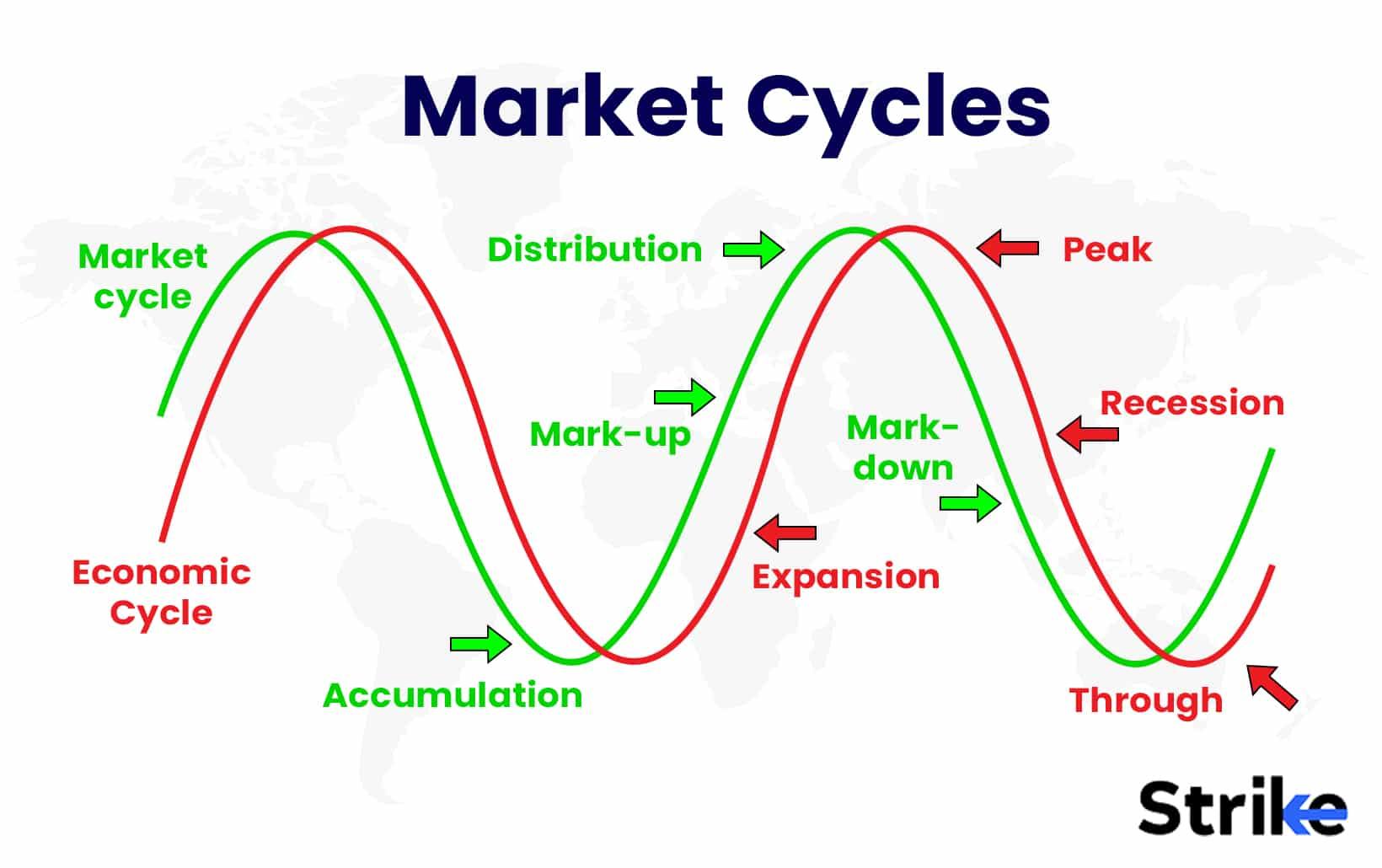
The real estate market is intrinsically tied to the broader economic landscape, characterized by fluctuations that occur in cycles. These market cycles—defined by periods of expansion, peak, contraction, and recovery—play a crucial role in shaping investment strategies and influencing decision-making processes. Understanding these cycles is paramount for real estate investors,as they can considerably affect property values,rental income,and overall investment returns. In this article,we will delve into the nuances of market cycles,exploring how they impact real estate opportunities and risks. By analyzing past trends and current economic indicators, investors can equip themselves with the insights needed to navigate the complexities of the market, capitalize on favorable conditions, and mitigate potential losses during downturns. As we embark on this analysis, we aim to provide a thorough framework that aids both seasoned investors and newcomers in making informed decisions in the dynamic world of real estate investing.
Table of Contents
- Understanding Market Cycles and Their Phases in Real Estate
- Key indicators for Identifying Market Cycle Trends
- Strategic Investment Approaches for Different Market Conditions
- Mitigating Risks Through Adaptive Strategies in Real Estate Investing
- In Conclusion
Understanding Market Cycles and Their Phases in Real Estate
In real estate, market cycles play a crucial role in determining investment strategies and making informed decisions. The typical phases of market cycles include expansion, peak, contraction, and trough. during the expansion phase, demand for properties rises, leading to increased prices and a surge in new construction.Investors frequently enough flood the market, eager to capitalize on rising values. However, this enthusiasm can lead to speculative bubbles, where prices outpace the fundamental growth of the economy.
As the cycle progresses into the peak, signs of overheating become evident, and price growth begins to plateau. Investors may feel an urge to cash out as the market reaches its zenith,signaling the potential for an imminent downturn.The contraction phase sees higher vacancy rates and declining property values, while the trough marks the lowest point in the cycle, presenting unique opportunities for savvy investors.Understanding these phases allows investors to navigate the complexities of the market more effectively, positioning themselves to make strategic buys when values are low and minimizing risks during peak times.
key Indicators for Identifying Market Cycle Trends
Identifying market cycle trends is crucial for real estate investors seeking to optimize their investment strategies. Several key indicators can definitely help reveal the phase of the market, such as:
- Economic Indicators: Metrics like GDP growth, unemployment rates, and consumer confidence provide insights into market health.
- Housing Supply and Demand: Analyzing inventory levels and days on market can reveal whether the market is favoring buyers or sellers.
- Price trends: Monitoring changes in property values helps to gauge whether the market is appreciating or depreciating.
- Interest Rates: Movements in interest rates significantly influence borrowing costs and can lead to changes in market conditions.
In addition to these indicators, certain qualitative factors can also play a meaningful role in determining market trajectory. Consider the following:
- Consumer Sentiment: Public perception regarding economic stability often impacts purchasing decisions in real estate.
- regulatory Changes: Zoning laws, tax incentives, and other legislative shifts can alter the investment landscape.
- Local Economic Development: Initiatives like new infrastructure projects or business expansions can signal growth opportunities in specific areas.
Strategic Investment Approaches for Different Market Conditions
in navigating various market conditions, real estate investors should adopt tailored strategies that address the unique challenges and opportunities that arise. during expansionary periods,where economic growth is robust and property values are on the rise,investors may benefit from strategies such as:
- Acquisition of high-demand residential properties to capitalize on increasing rental income.
- Development opportunities in emerging markets that show signs of economic growth.
- repositioning existing assets to enhance value and appeal to a growing buyer demographic.
Conversely, during contraction phases, characterized by declining property prices and reduced consumer confidence, investors need to shift towards more conservative strategies.In this habitat, investors should focus on:
- Securing distressed properties at discounted rates, allowing for significant upside potential as the market recovers.
- Enhanced due diligence to mitigate risks associated with fluctuating market conditions.
- Long-term leasing agreements to ensure stable cash flow despite rising vacancy rates.
Mitigating Risks Through Adaptive Strategies in Real Estate Investing
In an ever-evolving real estate landscape, implementing adaptive strategies is essential for mitigating risks associated with market fluctuations. By understanding key market cycles—expansion, contraction, recovery, and recession—investors can make informed decisions that align with the prevailing conditions. This knowledge equips them to adjust their investment approaches based on current trends, thus minimizing potential losses. Key adaptive strategies include:
- Diversification: Spreading investments across various sectors and geographic locations to reduce risk.
- market research: Conducting thorough analyses on market indicators, demographic shifts, and economic forecasts.
- Flexible Financing: Utilizing diverse financing options to maintain liquidity and leverage opportunities when they arise.
Additionally, establishing a responsive portfolio management plan is crucial. This plan should encompass regular assessments of market conditions and performance metrics to ensure timely adjustments can be made. Consider using a structured approach to evaluate your portfolio as shown in the table below,which highlights essential metrics to monitor:
| Metric | Importance | Action |
|---|---|---|
| Occupancy Rates | Measures tenant demand and income stability | Increase marketing efforts if low |
| Capitalization rate | Indicates property investment viability | Evaluate properties with declining cap rates |
| Market Trends | Shows direction of real estate cycle | Adjust investment strategies accordingly |
In Conclusion
understanding market cycles is crucial for any real estate investor aiming to make informed decisions and maximize returns. By recognizing the different phases of the market—expansion, peak, contraction, and trough—investors can better assess risks and identify opportunities. Armed with this knowledge, you can strategically time your investments, optimize your portfolio, and navigate the complexities of a dynamic market landscape. Whether you’re a seasoned professional or just beginning your journey in real estate investing, incorporating market cycle analysis into your strategy will empower you to mitigate potential pitfalls and capitalize on favorable conditions. As you move forward, stay vigilant and adaptable, continuously refining your approach to ensure sustained success in the ever-evolving world of real estate.