

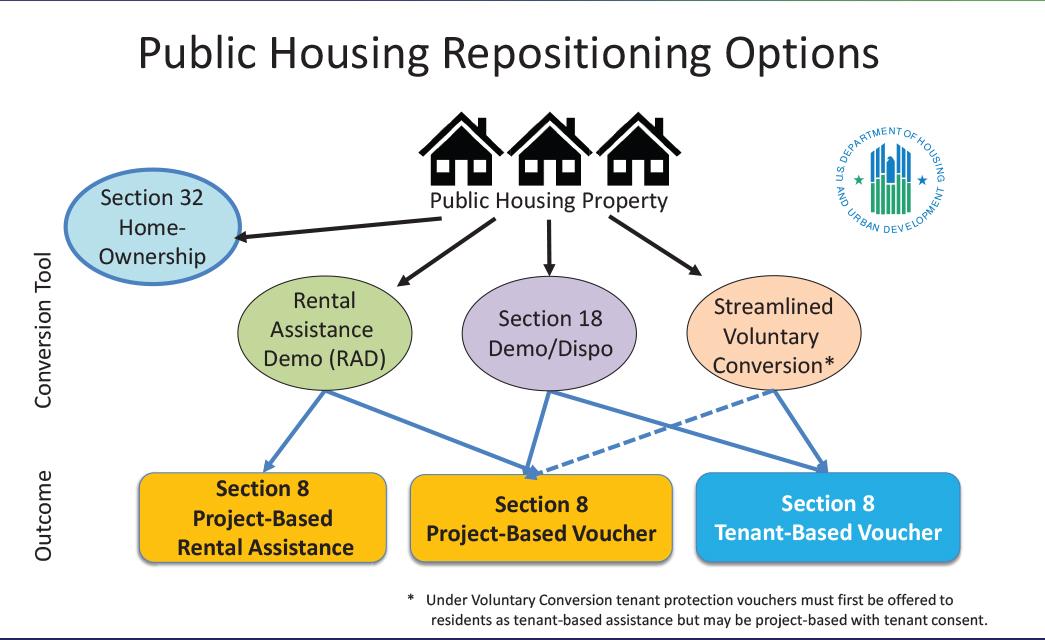
In recent years, government housing programs have undergone significant transformations, catalyzed by evolving socio-economic landscapes, demographic shifts, and the pressing need for affordable housing solutions. As the challenges of housing affordability and accessibility intensify,policymakers have sought innovative approaches to address the diverse needs of various populations,from low-income families to individuals facing homelessness. This article delves into recent developments in government housing initiatives, examining legislative reforms, funding allocations, and strategic partnerships that aim to enhance the effectiveness and responsiveness of housing programs. Through a detailed analysis, we will explore the implications of these developments on community well-being, economic growth, and social equity, while assessing the challenges that lie ahead in fostering sustainable housing solutions. By illuminating these trends, we aim to provide a complete understanding of the current landscape of government housing programs and their potential to shape the future of housing in our society.
Table of Contents
- Evaluating the Impact of Recent Legislative Changes on Affordable Housing Accessibility
- Assessing the Role of Public-Private Partnerships in Expanding Housing Opportunities
- Exploring Innovations in Sustainable Housing practices and Their Implications for Future Policies
- Recommending Strategic Approaches to Enhance Community Engagement in Housing Initiatives
- Future Outlook
Evaluating the Impact of Recent Legislative Changes on affordable Housing Accessibility
The recent wave of legislative changes aimed at bolstering affordable housing initiatives has sparked a significant debate among policymakers, stakeholders, and community members. Key reforms include the implementation of inclusionary zoning laws, expansion of housing vouchers, and increased funding for public housing projects. These measures are designed to address the growing disparities in housing access, particularly for low-income families and marginalized communities.By incentivizing developers to incorporate affordable units into new projects, the legislation seeks to alleviate the pressure of rising housing costs while promoting diversified communities.
However, the effectiveness of these changes is contingent upon rigorous evaluation and sustained commitment from local governments. Success hinges on the following factors: implementation speed, community engagement, and availability of resources. With varying degrees of adaptation across regions, some areas have witnessed significant improvements in housing accessibility, while others struggle to translate policy into practice. For a clearer understanding of these impacts, the table below summarizes recent data on affordable housing availability pre- and post-legislative changes:
| Region | Affordable units Before | Affordable Units After | % Increase |
|---|---|---|---|
| Region A | 1,200 | 1,800 | 50% |
| Region B | 800 | 850 | 6.25% |
| Region C | 2,500 | 3,200 | 28% |
Assessing the Role of Public-Private Partnerships in Expanding Housing Opportunities
Public-Private Partnerships (PPPs) have emerged as a strategic mechanism in addressing housing challenges, leveraging the strengths of both sectors to foster sustainable solutions. These collaborations often facilitate the pooling of financial resources and the sharing of expertise, creating a framework within which innovative housing projects can thrive. A significant aspect of this synergy is the potential for risk-sharing, allowing private entities to take on certain financial responsibilities while the public sector oversees regulatory compliance and community needs. the inclusion of local governments in these partnerships enables a tailored approach, ensuring that housing projects are aligned with regional progress goals and can adapt to evolving community demands.
At the core of accomplished PPPs is the ability to deliver diverse housing options,particularly in areas where traditional public funding may fall short. by integrating private sector efficiency with public oversight, stakeholders can enhance the quality and affordability of housing units. Examples of successful initiatives include:
- mixed-income developments that promote economic diversity.
- Incremental housing solutions that allow for gradual investment.
- Transit-oriented developments that maximize accessibility and convenience.
Moreover, the engagement of private developers often leads to innovations in sustainability and design, driving down long-term costs through energy-efficient technologies and modern construction practices. The adaptability and responsiveness of these partnerships position them as vital contributors to meeting the rising demand for housing in urban and suburban environments.
Exploring Innovations in Sustainable Housing Practices and Their Implications for Future Policies
the rapid evolution of sustainable housing practices is reshaping not only the real estate market but also the foundations of future governmental policies. Innovative materials and construction techniques have emerged, emphasizing energy efficiency and reduced environmental impact. Key strategies being explored include:
- Utilization of renewable materials such as bamboo and recycled metals
- Implementation of solar panels and green roofing systems
- Integration of smart home technologies to optimize energy consumption
These innovations reflect a growing recognition among policymakers of the urgency to address climate change. Future policies may see an increased emphasis on financial incentives for sustainable projects, including tax credits for environmentally-friendly homes, and stricter regulations on traditional building methods that deplete natural resources. To illustrate, the following table outlines proposed policy initiatives and their anticipated benefits:
| Policy Initiative | Anticipated Benefits |
|---|---|
| Subsidies for Energy-Efficient Buildings | Lower construction costs and enhanced affordability |
| Mandatory Green Certifications for New Developments | Increased market value and desirability |
| Investment in Eco-Friendly Infrastructure | Improved community resilience and sustainability |
Recommending Strategic Approaches to Enhance Community Engagement in Housing Initiatives
To foster meaningful community engagement in upcoming housing initiatives, strategic approaches must be implemented that prioritize local voices and active participation. First,creating inclusive forums where residents can express their needs and concerns is paramount. These forums can take the shape of workshops, focus groups, or community events that are not only informative but also collaborative. Additionally, incorporating surveys and feedback mechanisms will empower residents, giving them a sense of ownership over developments that directly affect their lives.By utilizing a variety of communication formats, such as online platforms and in-person interactions, stakeholders can ensure broader participation across different demographics.
Furthermore,establishing partnerships with local organizations can enhance outreach efforts and increase community trust. Engaging with NGOs, schools, and local businesses can provide valuable insights and resources that enrich housing projects.This collaborative approach not only addresses the specific needs of the community but also fosters a sense of shared responsibility.When stakeholders can come together in a structured manner, the likelihood of developing sustainable housing solutions rises significantly. Below is an overview of potential engagement strategies:
| Engagement Strategy | Description |
|---|---|
| Community Workshops | Facilitated sessions for residents to share thoughts and learn about housing projects. |
| Feedback Surveys | Anonymous tools to gather residents’ opinions and preferences. |
| Partnership Programs | Collaboration with local organizations to leverage resources and expertise. |
Future Outlook
the recent developments in government housing programs signal a pivotal shift in both policy and practice, reflecting a growing recognition of the multifaceted challenges facing today’s housing market. Through a diverse array of initiatives—including increases in funding, innovative public-private partnerships, and a renewed focus on sustainability and inclusivity—governments are striving to address housing insecurity and meet the diverse needs of their populations.
As we have analyzed throughout this article, these programs not only aim to provide immediate relief to those most affected by housing shortages but also seek to create long-term solutions that adapt to evolving economic conditions and demographic shifts. The emphasis on affordability, accessibility, and environmental sustainability underscores a holistic approach that is essential for fostering resilient communities.
Though, the effectiveness of these initiatives hinges on continuous evaluation, stakeholder engagement, and responsive policy adjustments. It is imperative for policymakers to remain vigilant in assessing the impact of these programs, ensuring they are meeting their intended goals and adapting to new challenges as they arise.
Ultimately,the trajectory of government housing programs will play a crucial role in shaping the future of housing in our society. By fostering collaboration across sectors and prioritizing the needs of the most vulnerable populations, there is potential not only to alleviate current housing disparities but also to build a foundation for equitable growth and community well-being in the years to come. as we move forward, the intricacies of implementation and the engagement of local communities will be key determinants of success in this ongoing endeavor.