

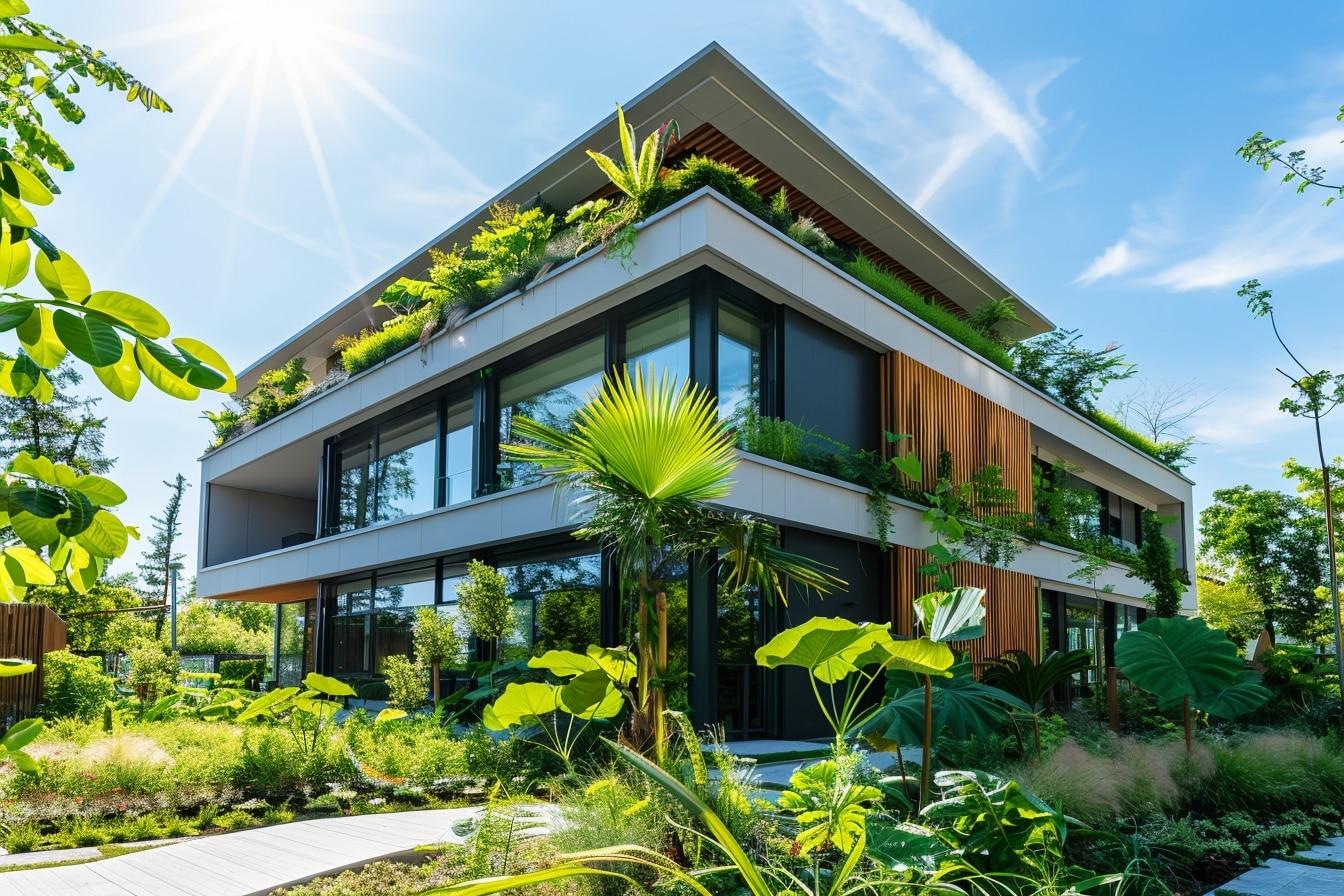
As global awareness of environmental issues continues to rise, the real estate sector is undergoing a significant conversion characterized by a shift towards greener practices and lasting growth. The convergence of innovative technologies, changing consumer preferences, and robust policy frameworks is redefining how properties are developed, constructed, and operated. This article delves into the emerging trends in green and sustainable real estate, exploring key developments such as energy-efficient building practices, the integration of renewable energy sources, and the growing importance of sustainable materials.By examining these trends, we aim to provide a extensive analysis of how the industry is adapting to meet the challenges of climate change while concurrently addressing the evolving expectations of investors, tenants, and regulatory bodies. In doing so, we will illustrate the significant impact of sustainability on property values, market competitiveness, and long-term viability, shedding light on the imperative for stakeholders to engage with these transformative shifts in the real estate landscape.
Table of Contents
- Emerging Technologies Transforming Green Building Practices
- Integrating Renewable Energy Solutions in Sustainable Architecture
- The Shift Towards Circular Economy Principles in Real Estate Development
- Enhancing Community Engagement through Sustainable Urban Planning
- to Conclude
Emerging Technologies Transforming Green Building Practices
As the demand for sustainable construction rises, several innovative technologies are emerging to redefine how green buildings are designed, constructed, and maintained. These advancements engage a variety of disciplines, from engineering to materials science, pushing the boundaries of energy efficiency and environmental stewardship. Building Data Modeling (BIM) has become a critical tool that allows architects and engineers to create digital representations of physical spaces,enhancing collaboration and minimizing waste. Other transformative technologies include smart building systems that optimize energy consumption through real-time data analysis, and 3D printing, enabling the rapid prototyping of sustainable materials which reduces the carbon footprint of conventional construction practices.
Additionally, the integration of renewable energy solutions, such as solar panels and wind turbines, into building designs has proven to be vital for achieving energy self-sufficiency.The utilization of IoT (Internet of things) devices facilitates better management of energy use, connecting various building systems for optimized performance. Significant advancements have also been made in the development of green materials, which are not only sustainable but also enhance the durability of structures. the table below illustrates some of these key technologies and their contributions to sustainable building practices:
| Technology | Contribution to Sustainability |
|---|---|
| Building Information Modeling (BIM) | Minimizes waste and enhances project collaboration. |
| Smart Building Systems | Optimizes energy use and improves comfort levels. |
| 3D Printing | Reduces construction time and material waste. |
| Renewable Energy Solutions | Promotes energy self-sufficiency and reduces carbon footprint. |
| iot Devices | Enables real-time energy management and system integration. |
| Green Materials | Enhances durability while reducing environmental impact. |
Integrating Renewable Energy Solutions in Sustainable Architecture
in the quest for sustainable architecture, the integration of renewable energy solutions has become increasingly vital to minimize the environmental impact of buildings. Architects and developers are now more than ever focusing on creating designs that not only enhance energy efficiency but also contribute positively to their surroundings. This includes using solar panels to harness sunlight, geothermal heating systems to utilize the earth’s stable temperatures, and wind turbines to generate electricity.Moreover, incorporating green roofs and living walls not only aids in insulation but also helps improve air quality and biodiversity in urban environments.
Implementing these renewable systems generally entails meticulous planning and significant investment; however, the long-term benefits are substantial. The most progressive sustainable buildings demonstrate a return on investment (ROI) through lower energy costs,increased property value,and a reduction in carbon footprint. Here’s a brief comparison of some key renewable solutions and their expected benefits:
| Renewable Solution | Expected Benefits |
|---|---|
| Solar Panels | Reduce energy costs and carbon emissions |
| Geothermal Heating | Efficient heating and cooling throughout the year |
| Wind Turbines | generate clean energy and offset dependability on fossil fuels |
| Green roofs | Insulation and enhanced urban biodiversity |
The Shift Towards circular Economy Principles in Real Estate Development
The integration of circular economy principles in real estate development reflects a profound shift in how the industry approaches sustainability. This paradigm encourages the design of buildings and spaces that optimize resource use, extend the life of materials, and minimize waste generation. Developers are increasingly looking to implement strategies such as:
- Adaptive reuse: Revamping existing structures instead of demolishing them.
- Material innovation: Utilizing sustainable materials that have lower lifecycle impacts.
- Modular construction: Designing prefabricated elements that reduce waste and improve efficiency.
Moreover, the adoption of circular economy principles aligns closely with emerging regulatory frameworks and consumer expectations. As stakeholders seek to enhance the resilience and sustainability of their investments,tracking asset performance becomes crucial. This is where digital technologies come into play,facilitating real-time monitoring of resource consumption and waste production. A comparative view of traditional versus circular real estate development can be illustrated as follows:
| Traditional Development | Circular Development |
|---|---|
| focus on new construction | Emphasis on adaptive reuse |
| Linear material use | Closed-loop material systems |
| Short-term occupancy | Long-term lifecycle value |
Enhancing Community Engagement through Sustainable Urban Planning
Modern urban planning must pivot towards inclusivity and sustainability, leveraging green initiatives that foster community involvement. By prioritizing environmentally friendly practices, cities can enhance their residents’ quality of life while addressing pressing issues like climate change and resource scarcity.A few key aspects that contribute to effective community engagement include:
- Participatory Design: Involving community members in the planning process encourages ownership and accountability.
- Green Spaces: Expanding parks and community gardens promotes well-being and provides venues for social interaction.
- Mixed-use Development: Creating spaces where people can live, work, and play reduces the need for long commutes, fostering a stronger community bond.
When sustainable urban planning incorporates these elements, cities can create environments that not only reduce their carbon footprint but also enhance social cohesion. To illustrate this, consider the impact of urban green infrastructure on community engagement. A recent analysis revealed the following:
| Green Infrastructure Type | Community Benefits |
|---|---|
| Community Gardens | Promote local food production and enhance social ties. |
| Green Roofs | Improve air quality and reduce urban heat effects. |
| urban Forests | Increase biodiversity and provide recreation opportunities. |
Through strategic planning and community collaboration, a sustainable urban landscape can emerge—one that not only addresses environmental challenges but also cultivates a vibrant, connected community that thrives together.
To Conclude
the landscape of real estate is undergoing a profound transformation, driven by the imperative for sustainability and environmental responsibility. The emerging trends in green and sustainable real estate are not merely a response to regulatory pressures or consumer demand; they signify a essential shift in how property is developed, valued, and managed. as technologies advance and renewable resources become more accessible, we can anticipate an evolution in building practices that prioritizes energy efficiency, reduces carbon footprints, and enhances overall well-being.
Furthermore, the integration of smart technologies in sustainable design not only optimizes resource usage but also empowers occupants to engage actively with their environments. The movement towards circular economies in construction and real estate demonstrates a growing recognition of the finite nature of resources and the importance of waste reduction.
As industry stakeholders, from investors to developers, adapt to these trends, the potential for long-term economic gains becomes increasingly apparent. Sustainable real estate is positioned not only as a moral imperative but also as a lucrative investment prospect. The demand for green buildings is expected to rise, and those who align with these principles will likely gain a competitive edge.
Ultimately,the dialog surrounding sustainable real estate must continue to evolve,incorporating diverse perspectives and innovative strategies. As we look to the future, it is essential that the real estate sector embraces this momentum toward sustainability—not only for economic viability but for the betterment of society and the environment as a whole. The commitment to green practices is not just a trend; it is the foundation for a resilient and sustainable future in real estate.