

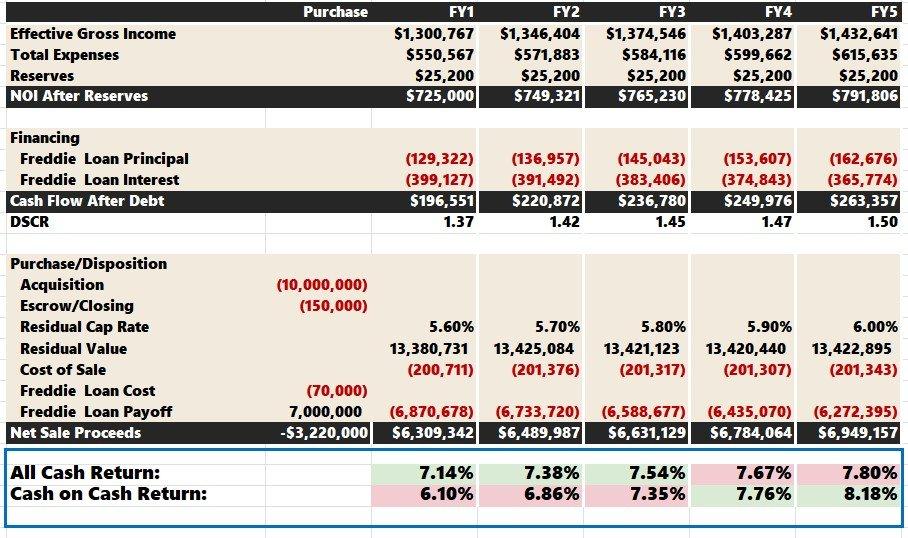
In the ever-evolving landscape of real estate investment, leverage remains one of the most potent tools at an investor’s disposal. When strategically employed, it can amplify returns and enhance portfolio performance, allowing investors to unlock notable value from their assets. Though,leveraging capital also introduces a layer of complexity and risk that must be carefully navigated. In this article, we will explore the multifaceted role of leverage in real estate, examining how astute investors can harness its potential to maximize returns while mitigating associated risks. We will delve into various leverage strategies, assess their implications on cash flow and appreciation, and provide a framework for making informed decisions in today’s dynamic market.Whether you are a seasoned investor or new to the field,understanding the strategic deployment of leverage will empower you to optimize your real estate investments and achieve sustained financial growth.
Table of Contents
- Understanding Leverage: The Foundation of Real Estate Investment
- Assessing Risk Management Strategies for Leveraged Real Estate
- Optimizing Property Acquisition: Best Practices for Leveraged Financing
- Exit Strategies: Ensuring Profitability in Leveraged Transactions
- Future Outlook
Understanding Leverage: The Foundation of Real Estate Investment
Leverage in real estate investment is a powerful tool that allows investors to amplify their returns by using borrowed funds to finance a property purchase. This approach enables individuals to control larger assets without having to commit the full purchase price upfront.Here are some key points to consider when utilizing leverage:
- Increased Purchasing Power: Leverage allows you to acquire properties that may have been out of reach if relying solely on personal capital.
- Tax Benefits: Mortgage interest payments are often tax-deductible, which can enhance overall profitability.
- Equity Growth: As property values appreciate, the equity held in a leveraged property grows, contributing to a higher net worth.
Using leverage strategically requires a thorough understanding of both the potential risks and rewards. It’s crucial to assess your financial situation and the market dynamics before committing to high levels of debt. Consider these factors to navigate leverage successfully:
- Debt Service Coverage Ratio (DSCR): This ratio measures an investment’s ability to cover its debt obligations,ensuring that cash flow remains positive.
- Market Conditions: Economic indicators should be monitored closely, as economic downturns can affect property values and rental income.
- Exit Strategy: A clear plan for how and when to exit an investment can mitigate losses in a volatile market.
Assessing Risk Management Strategies for Leveraged Real Estate
Implementing effective risk management strategies is essential when utilizing leverage in real estate investment, as these strategies directly impact the sustainability of returns. Investors should consider a variety of factors that could influence the performance of leveraged properties. Key strategies include:
- Market Analysis: Regularly assess local real estate trends to stay ahead of potential downturns.
- Diversification: Spread investments across different property types and geographic locations to mitigate risk.
- Cash Flow Management: Maintain strong cash flow to cover mortgage obligations and unexpected expenses.
- Exit Strategies: Develop clear exit plans for various scenarios to minimize losses during unfavorable market conditions.
Another critical aspect of risk management is maintaining a robust financial buffer. Utilizing leverage amplifies both gains and losses, making it vital to have contingency funds to weather potential financial storms. Consider the following financial safeguards:
- Debt Service Coverage Ratio: Aim for a ratio of at least 1.2 to ensure rental income sufficiently covers debt obligations.
- Reserve Funds: Set aside at least 3-6 months’ worth of operating costs to address unforeseen expenses or emergencies.
- Regular Financial Reviews: Continuously monitor and adjust financial strategies in response to market changes and personal investment performance.
| Strategy | Purpose | Benefit |
|---|---|---|
| Market Analysis | Identify trends and make informed investment decisions | Increased likelihood of high returns |
| Diversification | Reduce exposure to any single market | Lower overall portfolio risk |
| Cash Flow Management | Ensure stability in income generation | Ability to meet financial obligations |
Optimizing Property Acquisition: Best Practices for Leveraged Financing
When considering leveraged financing for property acquisition, employing a strategic approach can significantly enhance your investment returns.One of the key practices is to conduct thorough market research before making any decisions. Understanding the local market dynamics, including property demand trends and pricing fluctuations, can guide you in identifying lucrative deals. Additionally, maintaining a detailed financial analysis will allow you to calculate the expected cash flow, evaluate various financing options, and assess the potential returns against the risks involved. Utilizing tools like ROI calculators and financing comparison charts can provide clarity in your decision-making process.
Another crucial aspect of optimizing property acquisition is forming strong relationships with financial institutions and real estate professionals. Creating a network of reliable lenders can facilitate access to favorable financing terms and options,making it easier to capitalize on opportunities as they arise. Moreover, collaborating with experienced real estate agents can offer insights into off-market deals and help negotiate better purchase prices. Implementing a checklist for deal evaluation can streamline your acquisition process:
- Location Analysis: Assess the area’s growth potential and amenities.
- Property Valuation: Ensure the price aligns with market standards.
- Financing term Comparison: Analyze interest rates,terms,and lender fees.
- Exit Strategy: Define clear goals for short-term or long-term gains.
Exit Strategies: Ensuring Profitability in Leveraged Transactions
Exit strategies play a crucial role in maximizing the profitability of leveraged transactions within the real estate market. Effective planning allows investors to mitigate risks and secure gains, ensuring that their financial commitments yield favorable outcomes. Consider the following approaches when formulating your exit strategy:
- Market Timing: Assess the local real estate trends to identify the optimal time for selling.
- value Additions: Invest in renovations and improvements that significantly increase property value before exiting.
- Lease Until Sale: Generate income through leasing while waiting for market conditions to improve.
- 1031 Exchange: Utilize this tax-deferred exchange to reinvest your profits into similar properties, maintaining your position while minimizing tax liabilities.
Additionally, it’s essential to evaluate various exit scenarios to prepare for different market conditions. A well-structured plan can include:
| Scenario | Action Plan | Projected Outcome |
|---|---|---|
| Rapid Market Growth | List for sale at a competitive price | Significant profit margin |
| Market Stagnation | Consider rent-to-own options | Consistent cash flow |
| Market Decline | Stay invested,improve property | Significant long-term value increase |
By assessing these exit strategies and preparing for varying market dynamics,investors can safeguard their investments and enhance their return on leveraged real estate transactions.
Future Outlook
the strategic use of leverage in real estate investment can significantly amplify returns, provided it is approached with careful consideration and robust risk management. By understanding the dynamics of debt financing and market conditions, investors positioned themselves to harness the potential of leverage effectively. It is essential to cultivate a disciplined investment strategy, factoring in not only the promised returns but also the inherent risks associated with leveraging. As the landscape of real estate continues to evolve, maintaining an agile and informed approach will enable investors to navigate challenges and seize opportunities. Ultimately, employing leverage judiciously can fortify your investment portfolio, turning strategic insights into lasting financial success. As you embark on this journey, remember that knowledge and foresight will serve as your greatest allies in achieving sustainable growth in the competitive realm of real estate.