

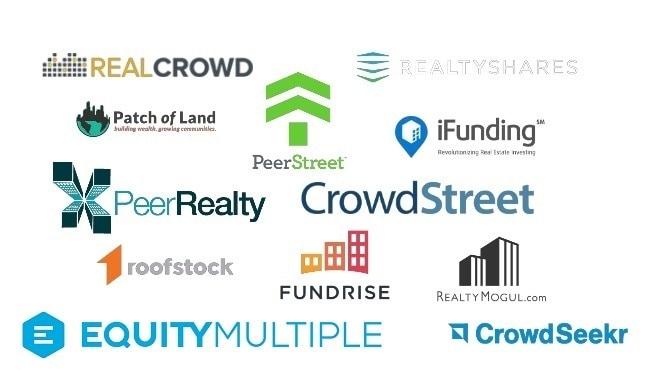
: A thorough Overview
In recent years, the real estate sector has witnessed a revolutionary shift in investment paradigms, largely propelled by the advent of crowdfunding platforms. This transformative approach has democratized access to property investments, allowing a diverse array of investors—ranging from seasoned professionals to everyday individuals—to engage in the market landscape traditionally dominated by high-net-worth individuals and institutional players. As the momentum of real estate crowdfunding continues to accelerate, a thorough analysis of emerging trends becomes imperative for stakeholders aiming to navigate this evolving terrain effectively.This article delves into the nuances of real estate crowdfunding, offering a detailed examination of the prevailing trends shaping the investment landscape. By exploring shifts in investor demographics,preference for asset types,geographical considerations,and regulatory influences,we aim to provide a comprehensive understanding of how these factors are redefining the dynamics of real estate investments. Moreover, we will scrutinize the implications of technological advancements and market volatility on crowdfunding strategies, equipping readers with the insights necessary to make informed decisions in a rapidly changing habitat. As we embark on this analytical journey, it is essential to consider not only the opportunities presented by real estate crowdfunding but also the challenges that accompany this burgeoning investment avenue.
Table of Contents
- Understanding the Growth Drivers of Real Estate Crowdfunding Markets
- Evaluating Risk Factors and Return Potential in Crowdfunding Investments
- Identifying Emerging Market Trends and Their Implications for Investors
- Strategic Recommendations for Optimizing Real Estate Crowdfunding Portfolios
- Concluding Remarks
Understanding the Growth Drivers of Real Estate Crowdfunding Markets
The real estate crowdfunding market has gained significant traction in recent years, influenced by a variety of factors that have contributed to its rapid growth. First and foremost, technological advancements have made it easier for both developers and investors to connect, allowing for a more streamlined process in capital raising and participation. The adoption of user-kind platforms has not only made investing more accessible to the general public but has also fostered transparency and trust within the industry. Additionally, the evolving landscape of financial regulations has started to favor this investment model, encouraging more players to enter the space, thus broadening its appeal and potential investor base.
Another crucial driver is the changing investor demographics. A younger generation of investors, who are more familiar with online investment opportunities and seek choice avenues for wealth generation, is increasingly drawn to real estate crowdfunding. This shift is further supported by the low minimum investment thresholds that many platforms offer, allowing investors to diversify their portfolios without committing substantial capital. Moreover, the promise of appealing returns in a historically stable asset class compared to customary equities amplifies this trend. a combination of technological innovation, regulatory support, evolving investor profiles, and attractive investment conditions continuously fuels the expansion of real estate crowdfunding markets.
Evaluating Risk Factors and Return Potential in Crowdfunding Investments
Investing in crowdfunding initiatives, particularly in real estate, necessitates a thorough analysis of risk factors that can substantially impact returns. These risks often include:
- Market Volatility: Fluctuations in real estate markets can lead to unexpected changes in property values.
- Regulatory Changes: New laws or policies can affect property management and investment returns.
- Project-Specific Risks: factors related to the specific development, such as construction delays or budgeting issues.
- Liquidity Challenges: Real estate investments are less liquid than stocks or bonds, posing risks if cash is needed quickly.
Despite these risks, it’s essential to consider the potential for significant returns that real estate crowdfunding can offer. Key elements influencing return potential include:
- Location: Properties in high-demand areas typically yield better returns.
- Property Type: Different real estate sectors, such as residential or commercial, have varying return prospects.
- Investment Structure: The terms of crowdfunding deals, such as equity or debt investments, can impact return velocity.
| Factor | Impact on Returns |
|---|---|
| Market conditions | High volatility may result in lower returns. |
| Location Quality | Prime areas enhance appreciation prospects. |
| Economic Trends | Strong economies boost property demand and prices. |
Identifying Emerging Market trends and Their Implications for Investors
As real estate crowdfunding continues to gain traction, several emerging trends are beginning to shape the investment landscape. Investors are increasingly drawn to this innovative sector due to its potential for high returns and accessibility.Key trends include:
- Increased Accessibility: Crowdfunding platforms are enabling smaller investors to participate in real estate ventures that were previously reserved for institutional players, democratizing access to lucrative markets.
- Diverse Investment Options: With the rise of specialized crowdfunding platforms, investors can choose from a wider range of property types, including commercial, residential, and mixed-use developments.
- Technological Integration: The use of blockchain technology and artificial intelligence in crowdfunding platforms is enhancing transparency and streamlining transactions, attracting a tech-savvy investor demographic.
These trends are not only changing how investments are made but also influencing the overall market dynamics. Investors need to consider the potential implications of these shifts,such as shifts in regulatory frameworks and market risks. understanding these factors helps in making informed decisions and optimizing returns. A summary of these implications can be found below:
| Trend | Implication |
|---|---|
| Increased Accessibility | Broader participation may lead to increased competition for prime assets. |
| Diverse Investment Options | Investors can tailor portfolios to their risk appetite and return expectations. |
| Technological Integration | Enhanced security and efficiency may improve investor confidence. |
Strategic Recommendations for Optimizing Real Estate Crowdfunding Portfolios
To maximize the potential of real estate crowdfunding investments, it is crucial to adopt a diversified strategy that minimizes risk while enhancing returns. Investors should consider allocating funds across various property types such as residential, commercial, and industrial real estate. This allocation helps mitigate the impact of market fluctuations in any single sector. Additionally, calibrating investments across different geographical locations can further stabilize returns, as certain markets may outperform others based on economic conditions and regional demand. Implementing a risk assessment framework can also guide investors in selecting projects that align with their financial goals and risk tolerance.
Furthermore, proactive monitoring and analysis of portfolio performance are essential for achieving optimal outcomes. Investors should regularly review key performance indicators (KPIs), including cash flow, capital appreciation, and exit strategies. This ongoing evaluation enables timely adjustments to the portfolio, ensuring alignment with market trends and emerging opportunities. Utilizing data-driven insights to identify potential high-yield investments can enhance overall portfolio performance. The following table outlines critical KPIs for effective portfolio management:
| Key Performance Indicator | Description |
|---|---|
| Cash Flow | Net income generated from investments after expenses. |
| Capital Appreciation | Increase in property value over time. |
| Return on Investment (ROI) | Profit relative to the investment amount. |
| Occupancy Rate | Percentage of rented units compared to total units. |
Concluding Remarks
the landscape of real estate crowdfunding investments presents a dynamic and evolving opportunity for investors looking to diversify their portfolios.Through our analysis, we have identified key trends that highlight the increasing sophistication of this market, including the rise of technology platforms, a greater focus on sustainability, and shifts in investor demographics. As regulatory frameworks continue to adapt and investor education improves, we anticipate that real estate crowdfunding will become an integral component of the broader investment ecosystem.
Investors should remain vigilant, continually assessing market conditions and emerging trends to make informed decisions. The potential for attractive returns is noteworthy, but it must be balanced with an understanding of the inherent risks. as we move forward, both individual and institutional investors will need to leverage analytics and strategic insights to navigate this complex landscape effectively.
real estate crowdfunding not only democratizes access to real estate investment but also catalyzes innovation within the industry. By keeping abreast of these trends, investors will be better positioned to capitalize on new opportunities while contributing to a more inclusive investment paradigm. The future of real estate investing is here, and it beckons those ready to engage with its evolving narrative.