

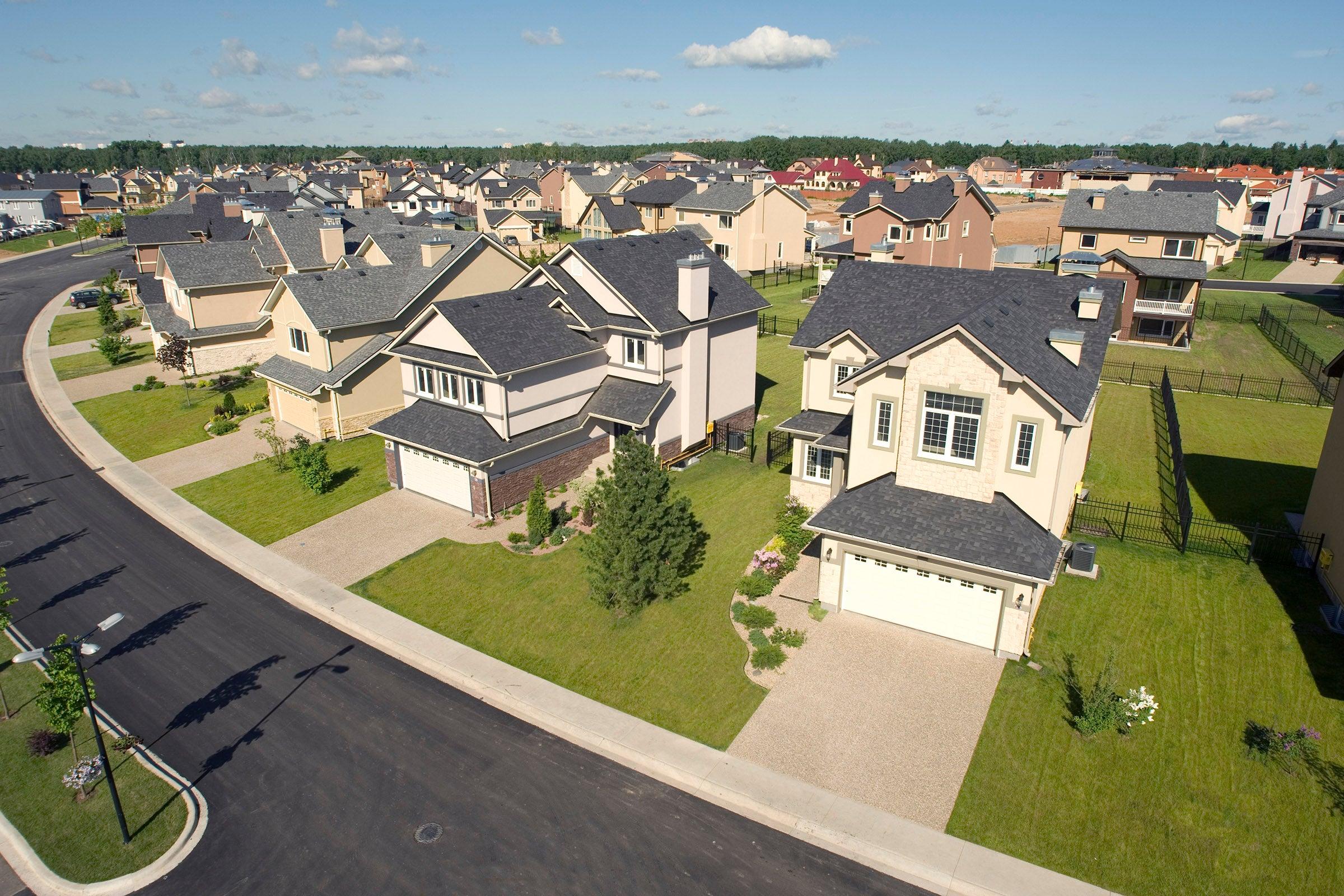
in recent years, the landscape of American housing has undergone a remarkable conversion, with suburban areas experiencing a renaissance that has taken both industry experts and homeowners by surprise. Once viewed as a sleepy choice to urban living, suburbs are now bustling with activity and attracting a diverse demographic seeking both space and community. From millennials eager to put down roots to families looking for larger homes and a balance between work and play, the appeal of suburban life has never been stronger. In this article, we will explore the factors driving this surge in suburban housing, delving into shifts in lifestyle preferences, economic influences, and the lasting impact of recent global events. Join us as we uncover the reasons behind this thriving trend and what it means for the future of housing in America.
Table of Contents
- Understanding the Demand drivers Behind Suburban Housing Growth
- Analyzing the Impact of Remote Work on Housing Preferences
- Navigating Suburban Development Trends for Investors
- Creating Sustainable Communities: Enhancing suburban Living Experiences
- Insights and Conclusions
Understanding the Demand Drivers Behind Suburban Housing Growth
The resurgence of interest in suburban living is driven by a combination of social, economic, and cultural factors that are reshaping housing preferences. Urban flight, accelerated by the recent global health crisis, has motivated individuals and families to seek out the spaciousness and perceived safety of suburban areas. Many are drawn to the allure of larger homes with outdoor spaces,which provide a healthier and more conducive habitat for remote work and recreational activities. Additionally, the rise of flexible work arrangements allows employees to prioritize lifestyle choices over proximity to urban job centers. This shift has contributed to the increased demand for single-family homes, which cater to a desire for personal space and enhanced quality of life.
Another notable driver is the affordability factor. In many metropolitan areas, housing prices have skyrocketed, pushing buyers to look for more wallet-friendly options. Suburbs frequently enough offer a better value for square footage compared to urban counterparts,making them attractive for first-time homebuyers and families looking to upgrade without breaking the bank. Moreover, enhanced infrastructure, including improved schools, shopping options, and access to recreational facilities, has made suburban living increasingly appealing. With these combined factors,the suburban housing market sits at the intersection of opportunity and demand,propelling its unprecedented growth.
Analyzing the impact of Remote Work on housing Preferences
The transition to remote work has catalyzed a significant shift in housing preferences across the country.Many individuals and families are opting for homes in suburban areas as they seek a balance between a comfortable living space and accessibility to urban amenities. Key factors influencing this trend include:
- Increased Space: With remote work blurring the lines between personal and professional spaces, many are looking for larger homes that can accommodate home offices.
- Affordability: Suburbs ofen offer more competitive pricing compared to urban centers, making it easier for buyers and renters to find suitable options.
- Quality of Life: Many suburban areas provide access to parks, schools, and quieter neighborhoods, appealing to families and those seeking a more tranquil lifestyle.
This newfound preference for suburban living is reshaping the real estate market, leading to heightened demand in these regions. A recent survey of homebuyers revealed several motivating factors behind the move, as illustrated in the table below:
| Motivating Factor | Percentage of Respondents |
|---|---|
| Desire for More Space | 68% |
| Affordability Concerns | 55% |
| Family-Friendly Environments | 62% |
| Access to Nature | 47% |
| Better School Districts | 50% |
Navigating Suburban Development Trends for Investors
The landscape of suburban development is evolving, making it a focal point for savvy investors looking to capitalize on housing trends.Rising demand in these areas can be attributed to several factors: a shift in lifestyle preferences, increased remote work opportunities, and a desire for more spacious living environments. As families seek to escape the hustle and bustle of urban centers, developers are responding by creating communities that offer affordable housing options paired with access to nature, quality schools, and local amenities. Investors should pay attention to emerging suburbs that are transforming into vibrant hubs,as these locations are likely to experience ample appreciation in property values.
ItS essential for investors to analyze key indicators when navigating these burgeoning markets.Focus on regions with a growing population and a strong job market,as these factors correlate closely with housing demand. Consider the following criteria to identify promising investment opportunities:
- Demographic shifts: Look for areas with a surge in young families and
Creating Sustainable communities: Enhancing Suburban Living Experiences
As suburban areas experience a renaissance, the focus on creating sustainable communities has never been more crucial.By integrating green spaces,efficient public transportation,and eco-friendly building practices,suburban dwellers can enjoy an enhanced quality of life while minimizing their ecological footprint.This holistic approach not only fosters a sense of community but also aligns with modern values that prioritize sustainability. Local governments and developers are increasingly partnering to promote eco-conscious initiatives, including:
- Community gardens: Providing residents with fresh produce and a place to connect.
- Renewable energy projects: Such as solar panels on homes and communal spaces.
- Walkable neighborhoods: Encouraging physical activity and reducing reliance on cars.
Moreover, the importance of collaboration within these communities cannot be overstated. Residents, local businesses, and government agencies all play a vital role in crafting an environment that supports sustainable living.By investing in infrastructure upgrades and social programs,towns can enhance the suburban living experience. This can be achieved through initiatives like:
Initiative Description Local Art Programs Showcasing regional artists in public spaces to foster community pride. Recycling Workshops educating residents on effective recycling practices to reduce waste. Senior Engagement events Creating activities aimed at building connections among older residents. Insights and Conclusions
As we conclude our exploration of the phenomenon surrounding the booming suburban housing market, it’s evident that a confluence of factors is propelling this trend forward. from the allure of more spacious homes to the growing appeal of remote work versatility, today’s homebuyers are making conscious choices that prioritize comfort, community, and convenience.
However, it’s essential to recognize that this surge in suburban living is not merely a fleeting trend; it represents a fundamental shift in how we perceive our living environments.As urban centers evolve and adapt, so too do the needs and desires of those looking for their perfect home.
For prospective buyers and investors alike, understanding these dynamics offers valuable insights into making informed decisions. Whether you’re searching for a new place to settle down, considering a move, or eyeing investment opportunities, the suburbs are more than just a side note in the housing narrative—they’re increasingly taking centre stage.
Thank you for joining us as we unpacked the multifaceted reasons behind this suburban renaissance. Stay tuned for more insights into the changing landscape of real estate, and remember: home is where your journey begins.