

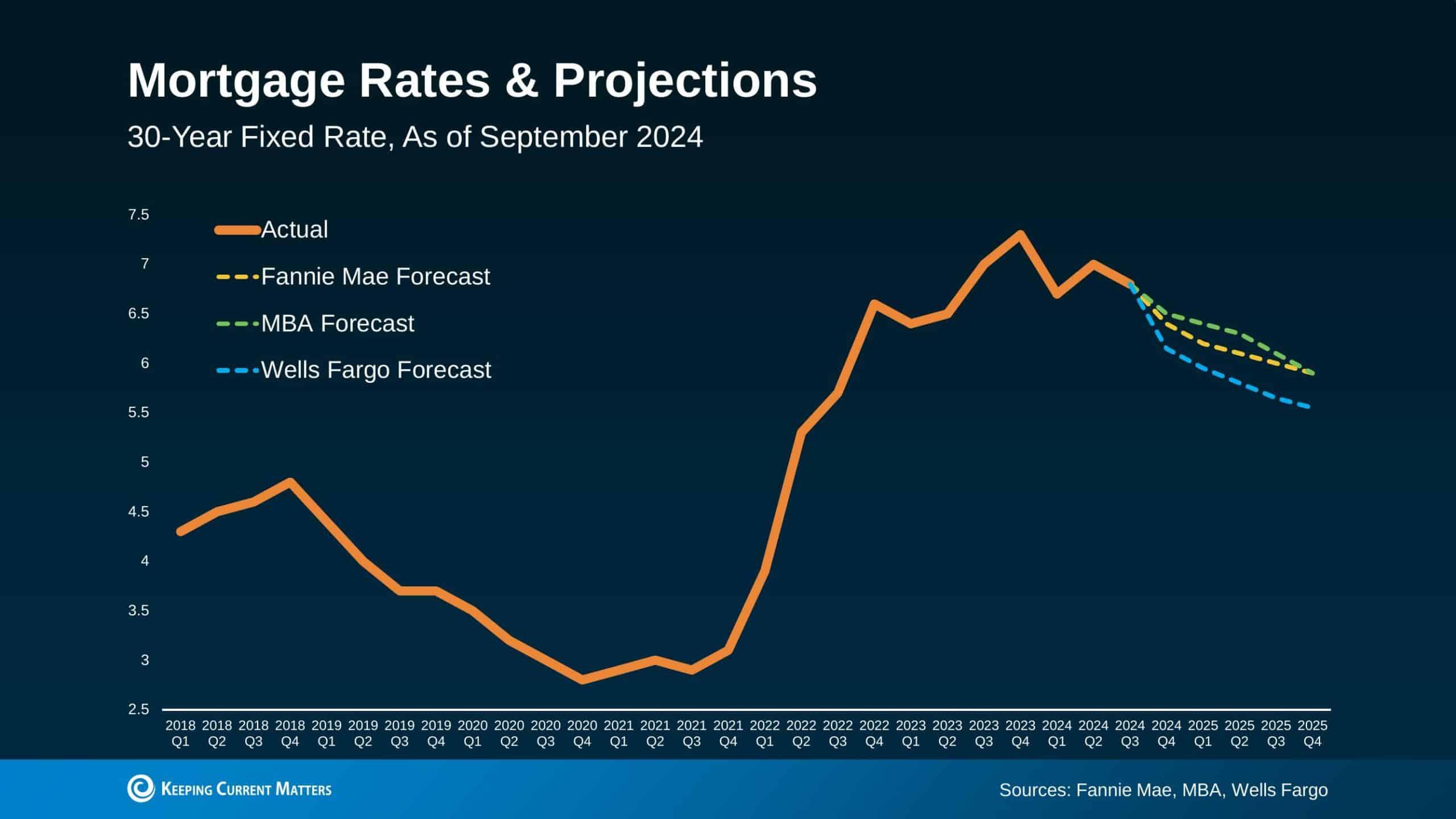
As we stand on the precipice of 2024, the housing market is poised for a transformative year marked by an intricate tapestry of socio-economic factors, shifts in consumer behavior, and evolving governmental policies. Understanding the complexities that underpin these dynamics is crucial for homeowners, investors, and real estate professionals alike. This article delves into the key trends and insights that are expected to shape the housing landscape in the coming year. From interest rate fluctuations and thier impact on mortgage affordability to demographic shifts and the ongoing digitalization of property transactions, we will analyze the data and forecasts that inform our understanding of the market’s trajectory. By examining these elements, we aim to equip our readers with a nuanced perspective on what 2024 may hold for the housing sector, enabling informed decisions in an ever-evolving marketplace.
Table of Contents
- Impact of Economic Indicators on Housing Prices
- Emerging Demographics and Their Influence on Homebuying Preferences
- Technological Innovations shaping Real Estate Transactions
- Strategies for Investors in a Shifting Market Landscape
- In Conclusion
Impact of Economic Indicators on Housing Prices
The relationship between economic indicators and housing prices is complex, yet critical for understanding market dynamics. Key indicators include interest rates, which have a direct influence on mortgage costs. When interest rates rise, borrowing becomes more expensive, leading to a potential decrease in housing demand. Conversely, lower interest rates typically encourage buyers to enter the market, thus driving prices up. Alongside interest rates, employment figures and wage growth can substantially impact housing demand. Higher employment rates and increased wages tend to boost consumer confidence, resulting in more individuals seeking home purchases, which can increase prices further.
Another vital economic indicator is the Gross Domestic Product (GDP), reflecting the overall economic health. A growing GDP frequently enough correlates with rising housing prices, as it implies a thriving economy with increased consumer spending and investment.Likewise, inflation rates also play a notable role; as inflation rises, the purchasing power of consumers declines, which could lead to stagnant or declining housing prices if income growth does not keep pace. Understanding these relationships can provide valuable insights for potential buyers and investors navigating the housing market.
Emerging Demographics and Their Influence on Homebuying Preferences
The changing landscape of homebuying is greatly influenced by emerging demographic groups, particularly millennials and Gen Z buyers. These younger generations showcase distinct preferences that diverge from traditional homebuying norms. Some of the key characteristics observed include:
- Desire for Sustainability: A significant focus on eco-kind homes with energy-efficient designs.
- Urban versus Suburban Living: While millennials often lean towards vibrant urban areas, Gen Z shows a preference for suburban environments that offer both affordability and space.
- Technology Integration: Smart home features and high-speed internet access are high on the wishlist, reflecting their tech-savvy lifestyle.
Moreover, with shifting household compositions, such as an increase in single-person households and multi-generational living arrangements, the demand for flexible spaces is on the rise. In response to these dynamics, builders and developers are adapting by offering:
| Home Features | Target Demographic |
|---|---|
| Flexible living spaces | Multi-generational families |
| Outdoor living areas | Young families |
| Smart home integrations | Tech-savvy individuals |
This evolving buyer behavior indicates a movement towards homes that meet diverse needs and reflect personal values, ultimately shaping the future of the housing market.
technological Innovations Shaping Real Estate Transactions
The landscape of real estate transactions is dramatically evolving,driven by technological advancements that streamline processes and enhance transparency. One of the most notable innovations is the integration of blockchain technology, which provides a secure and decentralized method for property transactions. By using smart contracts,stakeholders can automate the transfer of ownership,reduce fraud,and eliminate the need for intermediaries,making transactions faster and more cost-effective. Additionally,virtual reality (VR) and augmented reality (AR) tools are transforming property viewing experiences,allowing potential buyers to explore listings from the comfort of their homes and visualize changes in real-time.
Beyond blockchain and immersive technologies,artificial intelligence (AI) is playing a pivotal role in market analysis and personalization. AI algorithms can analyze vast datasets to identify trends and predict property values, enabling investors and homebuyers to make informed decisions.Furthermore, chatbots and virtual assistants improve customer service by providing instant responses to inquiries and facilitating communication throughout the buying or selling process. The combination of these innovations is not only changing how real estate transactions are conducted but also reshaping buyer and seller expectations in an increasingly competitive market.
Strategies for Investors in a Shifting Market Landscape
As the housing market continues to navigate through fluctuations in 2024, investors must adopt a proactive approach to succeed. A cornerstone strategy lies in diversifying property portfolios to mitigate risks associated with market volatility.By considering various types of real estate—such as residential, commercial, or multi-family units—investors can balance potential returns with underlying risk factors. Additionally, keeping an eye on emerging markets may unlock opportunities in areas that are experiencing revitalization, ensuring that capital is allocated effectively. consistently revisiting and revising your investment criteria will enable you to stay ahead in a dynamic environment.
Another essential tactic is to invest in data-driven decision making. This means leveraging advanced analytics and market research tools to better understand trends that influence housing demand and pricing. By analyzing factors like interest rates, demographic shifts, and employment rates, investors can identify potential hotspots that may yield higher returns. Moreover,creating a timeline for your investments that accounts for both short-term opportunities and long-term stability can provide clarity and direction. To illustrate potential shifts, consider the following table that outlines key metrics influencing housing investments in 2024:
| Metric | 2023 Status | 2024 Prediction |
|---|---|---|
| Interest Rates | 4.5% | 5.0% – 5.5% |
| Median Home Price | $350,000 | $360,000 – $375,000 |
| Rental Growth Rate | 3.2% | 3.5% – 4.0% |
| Supply of Homes | Low | Moderate |
to sum up
the 2024 housing market presents a complex landscape characterized by evolving trends and shifting consumer priorities. as we have explored, various factors—from economic indicators to demographic shifts—will play critical roles in shaping the housing sector in the coming year. Buyers and investors shoudl remain vigilant, closely monitoring interest rates, inventory levels, and regional variances that could influence opportunities and challenges alike.
Understanding these dynamics will be essential for stakeholders aiming to navigate the intricacies of the market effectively. As the landscape continues to change, informed decision-making based on extensive insights will prove crucial for success. By staying attuned to emerging patterns and adapting strategies accordingly,participants in the housing market can position themselves advantageously for the unfolding trends of 2024.
as we move forward, ongoing research and analysis will be paramount in keeping pace with this ever-evolving space.The insights outlined in this article serve as a foundational frame of reference,not just for the near future,but also as a guide for the broader implications these trends may have on long-term housing strategies. The year ahead promises to be pivotal; therefore, engaging with the data and maintaining a proactive stance will be key for any successful endeavor in the housing market.