

Navigating the intricacies of property taxes is a fundamental aspect of real estate ownership and investment. whether you’re a first-time homeowner,a seasoned investor,or a property management professional,a thorough understanding of how property taxes are calculated,assessed,and utilized can empower you to make informed decisions. This extensive guide delves into the essential components of property taxes, deciphering the complex terminology and processes that govern them. From understanding local tax rates and assessment methods to exploring strategies for tax reduction and compliance, this article aims to equip you with the knowledge necessary to navigate the frequently enough-overlooked yet critical domain of property taxation. By fostering a clearer understanding of property tax dynamics, we hope to enhance your ability to effectively manage your real estate investments and uphold your fiscal responsibilities.
Table of Contents
- Understanding the Fundamentals of Property Tax Assessment
- Strategies for Navigating Local Tax Regulations and Guidelines
- Analyzing the Impact of Property Taxes on Investment Decisions
- Maximizing property Tax Benefits Through Effective Planning Techniques
- Key Takeaways
Understanding the Fundamentals of Property Tax Assessment
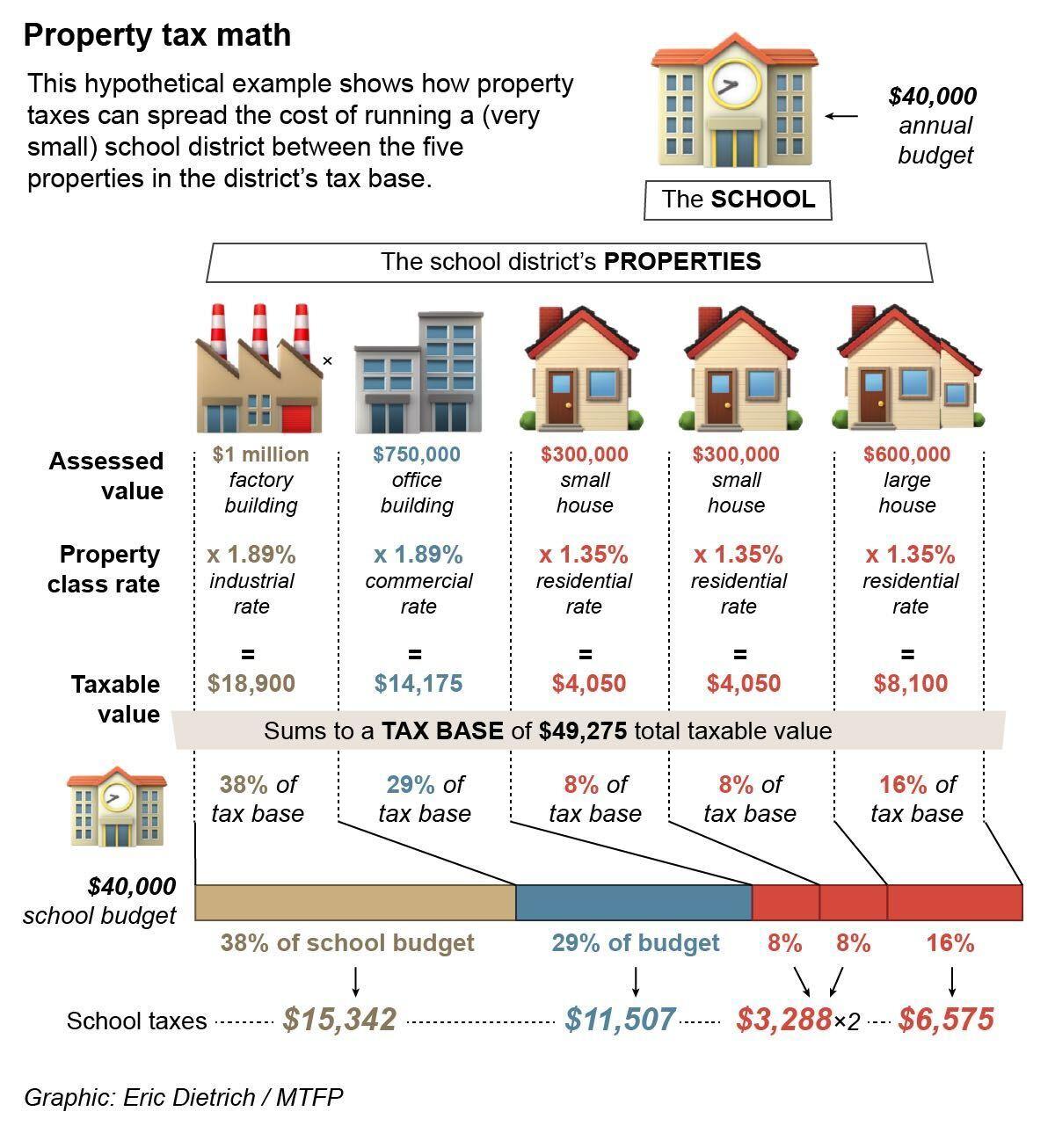
Property tax assessments are crucial for determining how much a property owner owes in taxes each year. These assessments are typically conducted at the local level, usually by county assessors or municipal tax authorities. Understanding the fundamental elements involved in property tax assessment is essential for property owners to navigate possible discrepancies and to become informed participants in local governance. The assessment process generally involves a few key factors: the property’s market value, the assessment ratio set by the local jurisdiction, and any applicable exemptions or deductions that the property may qualify for.
Market value is persistent based on various criteria, such as location, property type, condition, and comparable sales in the area. Local jurisdictions then apply an assessment ratio to the market value to establish the taxable value. This ratio can vary substantially depending on the locality’s regulations and can lead to differences in the final tax owed. Property owners might also be eligible for exemptions, such as homestead exemptions or senior citizen discounts, which can further reduce their tax burden. Understanding these elements not only empowers homeowners to better manage their financial responsibilities but also equips them to challenge assessments they may find unfair.
| Assessment Factor | Description |
|---|---|
| Market Value | Estimation of a property’s worth based on various factors. |
| Assessment Ratio | Percentage of market value considered taxable. |
| Exemptions | Reductions available to qualifying property owners. |
Strategies for Navigating Local Tax regulations and Guidelines
Navigating local tax regulations can be daunting, yet understanding your area’s specific guidelines is essential to remain compliant and optimize your tax obligations. Start by regularly consulting your local tax authority’s official website, where you’ll find resources such as tax forms, deadlines, and potential exemptions. Building a strong relationship with a local tax advisor,who is well-versed in these regulations,can provide tailored insights that align with your unique situation. Additionally, consider the following strategies:
- Stay Informed: Subscribe to newsletters or webinars from tax departments.
- Attend Local Workshops: Engage in community events focused on tax education.
- Join Local Real Estate Associations: Network to share knowledge and experiences.
Moreover, maintaining meticulous records of all property-related documents is crucial for both compliance and potential deductions. Utilize a cloud-based storage system to securely archive documents such as purchase agreements, property tax bills, and enhancement receipts. For a better grasp on local regulations, consider creating a simplified table to track any relevant changes in tax rates or exemptions. Here’s an example of how you might organise your findings:
| Year | Property Tax Rate (%) | Available Exemptions |
|---|---|---|
| 2023 | 1.25 | Homestead, senior Citizen |
| 2022 | 1.20 | Homestead |
| 2021 | 1.15 | Senior Citizen |
Analyzing the Impact of Property Taxes on Investment Decisions
Understanding the nuances of property taxes is crucial for investors considering their next venture. Property taxes can significantly influence the viability and profitability of a real estate investment, as they directly affect cash flow and overall returns.For potential investors, it is indeed essential to evaluate how these taxes will impact their financial projections. Factors to consider include:
- local Tax Rates: Varying tax rates across different municipalities can lead to significant differences in total tax liabilities.
- Property Valuations: Assessments that determine property values can fluctuate based on market conditions, impacting tax amounts year over year.
- Tax Exemptions and Deductions: Certain properties may qualify for exemptions or reductions, which can enhance the potential for higher net returns.
Investors should also keep an eye on trends in tax policies and local government budgets, as these can signal potential increases in tax rates or changes in tax structures. To illustrate the potential impact, the following table summarizes the effect of varying property tax rates on a hypothetical investment:
| Property Value | Tax rate (1%) | Tax Rate (2%) | Total Tax Liability |
|---|---|---|---|
| $300,000 | $3,000 | $6,000 | $3,000 – $6,000 |
| $500,000 | $5,000 | $10,000 | $5,000 – $10,000 |
| $1,000,000 | $10,000 | $20,000 | $10,000 – $20,000 |
as is evident, even small changes in the property tax rate can significantly impact profits, underlining the importance of incorporating these variables into investment strategies. Diligent financial planning and regular analysis of potential tax liabilities are vital to making informed investment decisions in real estate.
Maximizing Property Tax Benefits Through Effective planning Techniques
Effective planning is essential for taxpayers aiming to maximize their property tax benefits. One of the primary techniques involves understanding local tax laws and exemptions available to homeowners and investors. By leveraging deductions and credits, individuals can significantly reduce their overall tax burden. Consider implementing the following strategies:
- Familiarize Yourself with Local Legislation: Different jurisdictions offer varying exemptions, such as senior citizen discounts or veteran exemptions.
- Regularly Review Property Valuations: Ensure your property’s assessed value accurately reflects its market worth,as discrepancies can lead to inflated tax bills.
- Consult Professionals: Engaging with tax advisors or property assessors can provide insights into potential savings you may not be aware of.
Additionally, proactive management of property records and documentation is vital. Keeping precise records of purchases, improvements, and expenditures related to the property can support claims for depreciation and maintenance deductions. Utilize a table to track key elements such as:
| Expense Type | Date Incurred | Amount | deductibility status |
|---|---|---|---|
| Renovations | 01/15/2023 | $15,000 | Yes |
| Property Taxes Paid | 12/30/2022 | $2,500 | Yes |
| Maintenance expenses | 03/10/2023 | $1,200 | Yes |
Key Takeaways
navigating the complexities of property taxes requires a thorough understanding of local regulations, assessment processes, and potential exemptions. By equipping yourself with the insights provided in this comprehensive guide, you are better positioned to make informed decisions that can significantly impact your financial well-being. Whether you are a property owner, an investor, or a finance professional, staying abreast of the latest developments in property tax legislation and best practices is crucial. We encourage you to take proactive steps in managing your property tax obligations, engage with local tax authorities, and seek expert advice when necessary. With diligence and awareness, you can ensure that your property tax responsibilities are handled effectively, ultimately contributing to your overall financial strategy. thank you for taking the time to enhance your knowledge in this vital area.