

In the complex world of real estate, securing a property involves more than just the exchange of funds and the signing of contracts. Among the essential components that safeguard both buyers and lenders is title insurance, a topic ofen shrouded in misunderstanding. As the backbone of real estate transactions, title insurance provides crucial protection against potential disputes and claims related to property ownership. This comprehensive guide aims to demystify title insurance, exploring its purpose, the types available, and the common misconceptions that may deter buyers from fully appreciating its importance. By equipping readers with a clear understanding of this vital aspect of real estate transactions,we hope to empower informed decisions that support a smooth and secure property acquisition process.
Table of Contents
- Understanding the Role and Importance of Title Insurance in Real Estate Transactions
- Key Components of Title Insurance Policies and Their Implications for Buyers
- Navigating Common Exclusions and Limitations in Title Insurance Coverage
- Best Practices for Selecting a Title Insurance Provider and Ensuring Adequate Protection
- Insights and Conclusions
Understanding the Role and Importance of Title Insurance in Real Estate Transactions
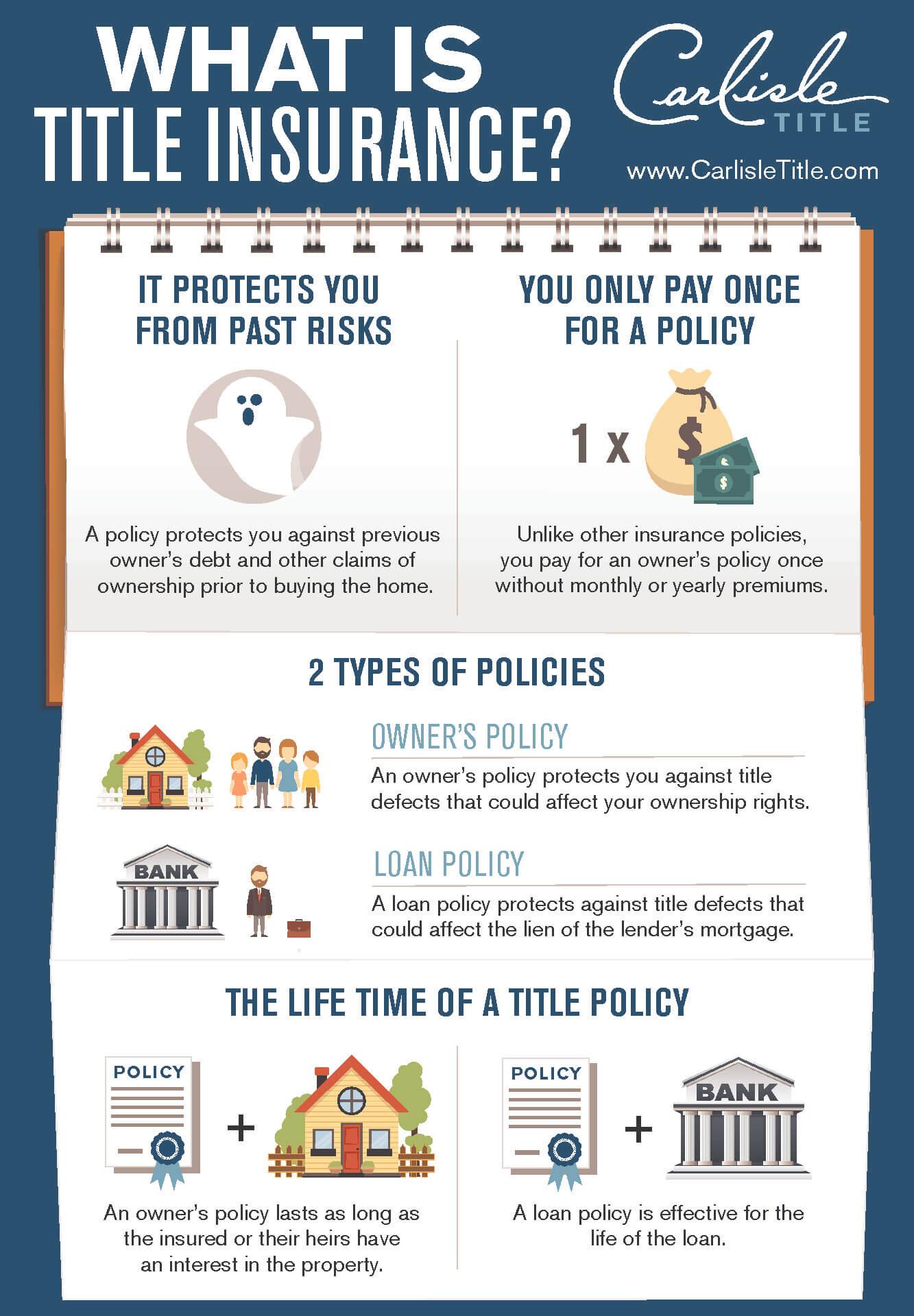
Title insurance serves as a protective shield for buyers and lenders against potential legal claims related to property ownership. Unlike other insurance forms, which guard against future events, title insurance primarily addresses past occurrences that may affect property title.It provides peace of mind by ensuring that the title is free and clear from claims, liens, or encumbrances that were not previously disclosed.This coverage:
- Protects against fraud: Ensures that previous owners did not misrepresent their ownership.
- Covers unknown defects: Safeguards against errors in public records that could affect ownership.
- Addresses unpaid liens: Offers protection from claims arising from unpaid property taxes or mortgages.
Additionally,title insurance is essential for lenders,as it helps prevent losses in case of a dispute over property ownership. In the event of a claim,the insurance company will defend the title and bear the costs related to litigation,thereby protecting the financial interests of all parties involved. The cost of title insurance is a small percentage of the property’s purchase price and is often a one-time fee, making it a worthwhile investment. The following table illustrates key distinctions between traditional insurance and title insurance:
| Traditional Insurance | Title Insurance |
|---|---|
| Covers future events | Covers past events |
| Regular premiums required | One-time premium payment |
| Claims made by policyholders | Claims made by third parties |
Key Components of Title Insurance Policies and Their Implications for Buyers
Understanding the essential elements of title insurance policies is crucial for homebuyers looking to protect their investment. Title insurance primarily defends against potential disputes over property ownership,and the policy can be categorized into two main types: owner’s title insurance and lender’s title insurance. Each serves different purposes for the buyer and the lender. furthermore, common components of thes policies include coverage for legal fees, forged signatures, liens, and errors in public records. Buyers should carefully assess these components to understand their extent and implications.
Each coverage element presented in a title insurance policy plays a meaningful role in protecting buyers from possible future claims. For instance,while legal fee coverage ensures that the policyholder isn’t financially liable for disputes regarding property boundaries,coverage for liens protects against claims stemming from unpaid debts associated with the property. The following table summarizes these key components and their implications:
| Coverage Component | Implications for Buyers |
|---|---|
| Legal Fees | Covers costs associated with defending against disputes over ownership. |
| Forged Signatures | Protects against unauthorized claims due to fraudulent actions. |
| Liens | Safeguards against claims from creditors seeking owed money. |
| Errors in Public Records | Ensures coverage for issues arising from mistakes in official documentation. |
Navigating Common Exclusions and Limitations in Title Insurance Coverage
Title insurance is a pivotal aspect of real estate transactions, yet it comes with a set of common exclusions and limitations that buyers should be wary of. Typically,these exclusions mean that certain issues may not be covered once the policy is in effect. It’s crucial to understand that common exceptions may include:
- Pre-existing liens or encumbrances that arise before the policy is issued.
- Issues related to zoning laws that may affect property use.
- Properties acquired thru eminent domain or those affected by restrictive covenants.
- Fraud or acts of dishonesty committed by the insured.
Moreover, buyers should be aware that limitations in coverage can arise from specific circumstances under which the insurer cannot provide protection. These limitations could involve:
- Unrecorded documents that affect the title.
- Legal actions started but not reported to the title company before closing.
- Property condition issues that are evident but not disclosed.
- Matters that arise after the closing date, such as disputes over boundaries.
Consequently, prospective buyers should thoroughly review the title policy and consult with their real estate attorney to ensure they grasp what is and isn’t covered. Understanding these exclusions and limitations can significantly affect one’s ability to navigate any disputes down the line.
Best Practices for Selecting a Title Insurance Provider and Ensuring Adequate Protection
When selecting a title insurance provider, it’s essential to conduct thorough research to ensure you choose a company that meets your specific needs. Start by checking the provider’s reputation through customer reviews and professional ratings. Look for companies with a long-standing history in the industry and a solid financial standing. Make sure to ask about their coverage options to understand what is included in the policy and whether it aligns with your unique circumstances. Consider factors such as customer service responsiveness and the ease of making claims, as these can significantly impact your experience.
Additionally, obtaining multiple quotes is a prudent step. This allows you to compare costs, but don’t make your decision based solely on price.Evaluate the policy terms and conditions associated with each quote to ensure that you are receiving adequate protection. Inquire about any exclusions or limitations that may apply. It’s beneficial to consult with a real estate attorney or a trusted agent who can provide insights specific to your area. Keep in mind that the cheapest option isn’t always the best; investing in a reputable provider can save you time and money in the long run.
Insights and Conclusions
understanding real estate title insurance is an essential aspect for anyone navigating the complexities of property transactions.This comprehensive guide has shed light on the critical functions and benefits of title insurance, and also the intricate process of obtaining coverage. By ensuring that a property’s title is clear of encumbrances, title insurance not only protects buyers and lenders but also provides peace of mind in what can often be a daunting process.As you move forward in your real estate endeavors, we encourage you to conduct thorough research and consult with professionals in the field. By doing so, you can make informed decisions that safeguard your investment and contribute to a smoother transaction experience. thank you for taking the time to explore this vital topic with us. We wish you success in your real estate ventures and a clear path to home ownership or investment.