

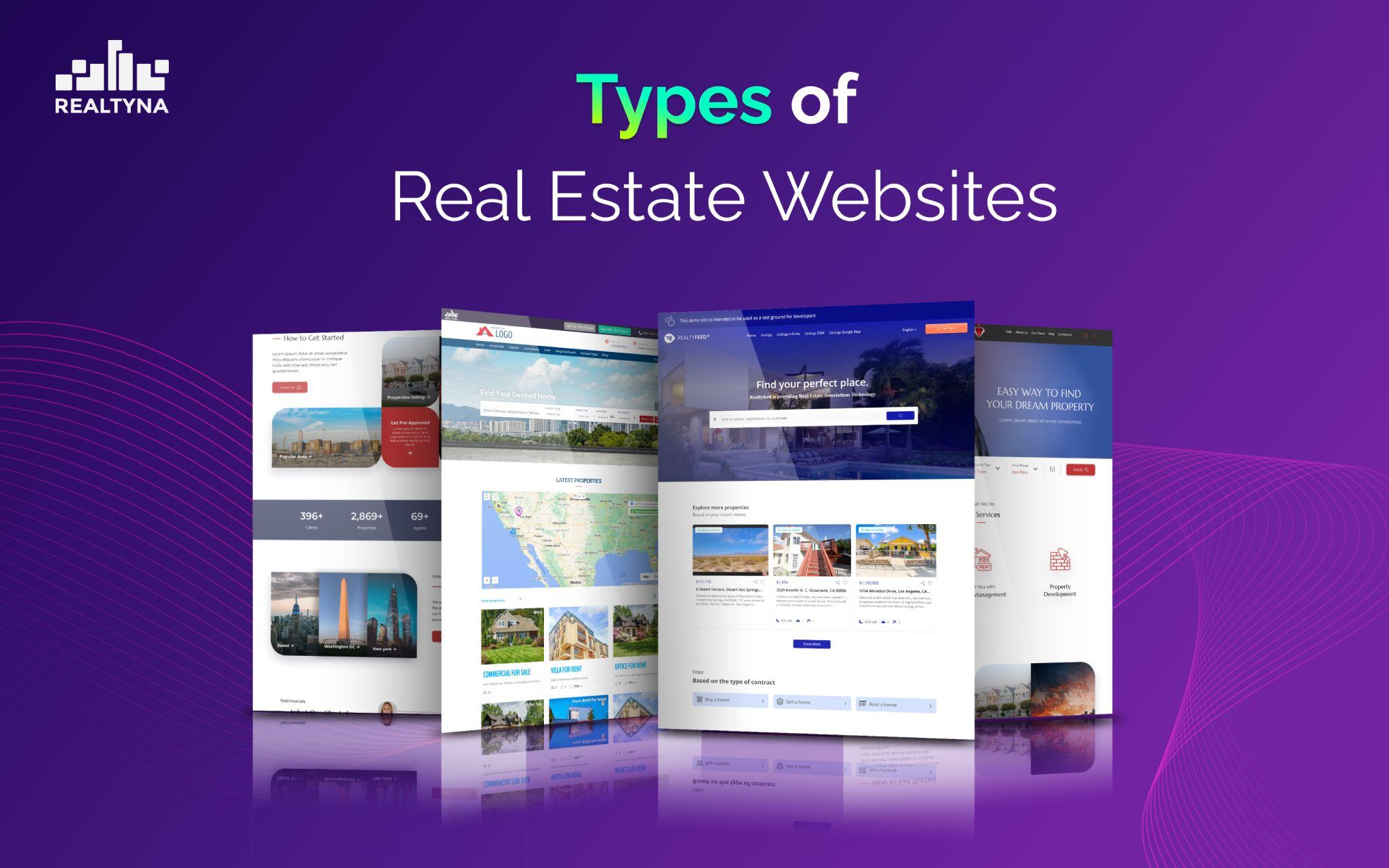
In the competitive landscape of real estate, having a robust online presence is no longer a luxury—it’s a necessity. A well-designed real estate website serves as the cornerstone of any successful marketing strategy, enabling agents and agencies to connect with potential buyers and sellers in a meaningful way. however, creating a website that not only attracts visitors but also converts them into clients requires careful planning and execution. This article outlines the essential steps to developing a successful real estate website, covering critical aspects such as user experience, search engine optimization, content strategy, and lead generation tactics. Whether you are an industry veteran or just starting your journey in real estate, these foundational principles will equip you with the tools needed to establish a powerful online platform that drives business growth and enhances client engagement.
Table of Contents
- Identifying Your Target audience and Their Needs
- Designing a User-Centric interface for Optimal Engagement
- Integrating Advanced Search Features and Interactive Maps
- Implementing Effective SEO Strategies to Enhance Online Visibility
- In Summary
Identifying Your Target Audience and Their Needs
Understanding the specific characteristics of your audience is crucial for crafting a website that resonates with them. Begin by gathering demographic data such as age, location, and income level. This facts helps in creating a user persona that reflects the potential clients you’re trying to attract. Additionally, consider their interests, lifestyle habits, and online behavior. This insight allows you to design a website that not only speaks their language but also addresses their unique needs and pain points.
To effectively address these needs, it’s vital to collect qualitative feedback through surveys or direct interactions. This can guide you in identifying what features or content your audience values most. Key considerations may include:
- Accessibility of property listings
- Mobile-amiable design
- Informative blog content about local markets
- Integrative tools for mortgage calculations
- User-friendly navigation for seamless browsing
Understanding these elements allows you to create a tailored experience that meets the expectations of your target market, fostering trust and enhancing engagement.
Designing a User-Centric Interface for Optimal Engagement
To foster an engaging user experience on your real estate website, it’s crucial to prioritize a design that is intuitive and user-friendly. begin by establishing a clear navigation structure that allows users to move seamlessly through various sections of the site. Consider incorporating the following elements to enhance usability:
- Descriptive Menu Items: Use clearly labeled categories such as “Buy,” “Sell,” “Rent,” and “Our Services.”
- Search Functionality: Implement a robust search feature with advanced filters (e.g., location, price range, number of bedrooms).
- Mobile Responsiveness: Ensure your design is adaptable to different screen sizes, creating an optimal experience for mobile users.
Another key aspect of user-centric design is delivering content that resonates with potential clients. Utilize high-quality visuals and compelling property descriptions to captivate visitors’ attention. In addition, consider these strategies:
- High-Resolution Images: Showcase properties with stunning imagery to create an emotional connection.
- Interactive Elements: Add features such as virtual tours or 360-degree views to enhance engagement.
- Client testimonials: Display reviews and ratings prominently to build trust and credibility.
Integrating Advanced Search features and Interactive Maps
Advanced search features enhance user experience by allowing potential buyers to quickly find properties that meet their specific criteria. Incorporating these features should involve:
- Custom Filters: Enable users to filter listings based on various parameters, such as price range, number of bedrooms, or property type.
- Saved Searches: allow users to save their search criteria and receive notifications when new listings go live.
- Comparison Tools: Provide a feature to compare multiple properties side-by-side for informed decision-making.
Integrating interactive maps into your website can substantially enhance the browsing experience, offering a visual context to property locations. Key elements to consider include:
- Dynamic Map Updates: Ensure that the map updates in real-time with property listings and nearby amenities.
- Geolocation: Implement geolocation features to show users properties near their current location.
- Neighborhood Insights: Include data layers that display schools, parks, public transport, and other amenities in relation to the property listings.
Implementing Effective SEO Strategies to Enhance Online Visibility
To boost your real estate website’s online presence, start by focusing on keyword optimization. Conduct thorough keyword research to identify terms potential clients use when searching for properties or services you provide. Integrate these keywords naturally into your website content,including property descriptions,blog posts,and FAQs. Additionally, consider creating meta titles and descriptions that not only incorporate these keywords but also engage users and entice them to click through. Using long-tail keywords can further enhance your SEO efforts, as they tend to have less competition and higher conversion rates.
Another crucial aspect of an effective SEO strategy is optimizing your website’s structure and technical elements. Ensure that your site is mobile-friendly, as most users now search for real estate on their smartphones. implement fast-loading pages to reduce bounce rates and enhance user experience.Utilize schema markup to help search engines understand your content better, as this can lead to richer search results. Here’s a simple table outlining key technical SEO factors to consider:
| SEO Factor | Description |
|---|---|
| Mobile Optimization | Ensure responsive design for all devices |
| Page Speed | Aim for load times under 3 seconds |
| Schema Markup | Integrate structured data for better indexing |
| SSL Certificate | Implement HTTPS for secure connections |
In Summary
establishing a successful real estate website is a multifaceted endeavor that requires careful planning,execution,and ongoing optimization. By focusing on essential elements such as user-friendly design, high-quality content, effective SEO strategies, and robust mobile compatibility, you can create a platform that not only attracts potential buyers and sellers but also enhances your brand’s credibility in the competitive real estate market.
Don’t forget the importance of analytics; tracking user behavior and adjusting your strategies accordingly will keep your website aligned with market trends and consumer preferences. As the digital landscape continually evolves, staying informed about technological advancements and emerging best practices will ensure that your website remains relevant and effective.Investing the necessary time and resources into your real estate website can yield notable returns by enhancing client engagement and driving conversions. With a well-crafted online presence, you will be well-positioned to seize opportunities and thrive in the dynamic world of real estate.