

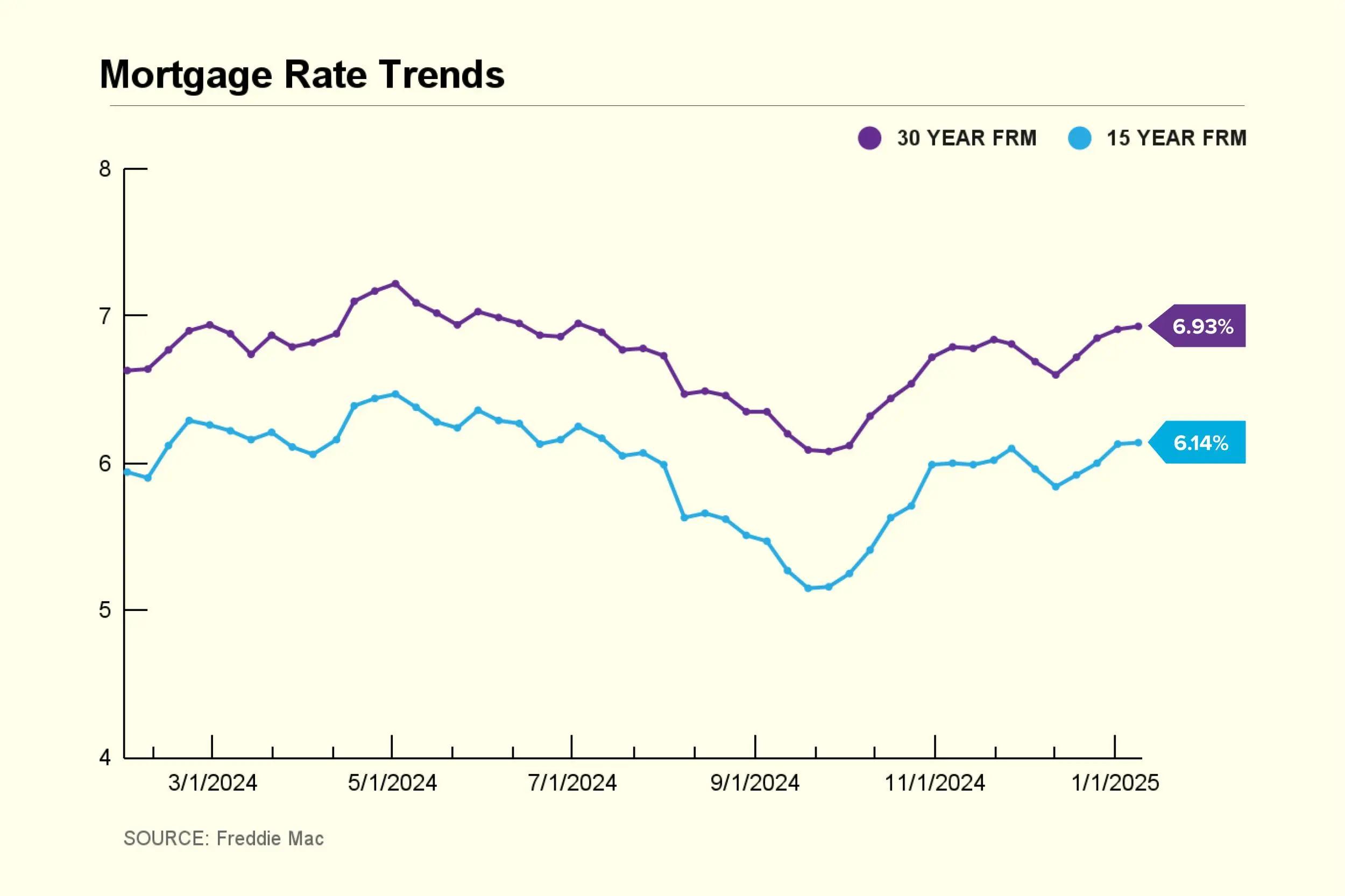
In the ever-evolving landscape of the housing market,mortgage rates play a pivotal role in shaping the financial decisions of homebuyers and property investors alike.As these rates fluctuate due to a myriad of factors, including economic indicators, central bank policies, and global events, understanding the intricacies behind these changes becomes essential for anyone considering a home purchase or refinancing an existing mortgage. This article aims to demystify the complex dynamics that govern mortgage rate fluctuations, exploring the factors that influence these rates and their subsequent impact on affordability, purchasing power, and overall market conditions. By gaining insight into these elements, prospective homeowners and real estate stakeholders can better navigate the challenges and opportunities presented by varying mortgage rates, empowering them to make informed decisions in their real estate endeavors.
Table of Contents
- Understanding the Factors Influencing Mortgage Rate Changes
- The Effects of Mortgage Rate Fluctuations on Home Affordability
- strategies for Navigating mortgage Rate Variability
- Long-Term Investment Considerations in a Changing Rate Environment
- Future Outlook
Understanding the Factors Influencing Mortgage Rate Changes
Mortgage rates are influenced by a myriad of factors that reflect both the broader economic climate and individual borrower profiles. Among the primary elements are inflation rates, which ultimately dictate how much lenders charge for borrowing. As inflation rises, lenders increase interest rates to maintain their profit margins, thus impacting mortgage rates. Additionally, the Federal Reserve’s monetary policy plays a notable role. When the Fed adjusts the federal funds rate, it subtly affects the cost of borrowing across the board, including mortgages. Other considerations include economic indicators such as unemployment rates and GDP growth, as these factors help lenders assess the risk associated with lending to borrowers at any given time.
Furthermore, the individual circumstances of each borrower can also sway mortgage rates. Factors such as credit scores, loan amount, and down payment sizes directly impact the interest rate offered. borrowers with higher credit scores can typically secure lower rates due to perceived lower risk. Here’s a swift overview of how various credit score ranges generally correlate with interest rates:
| Credit Score Range | Typical Interest Rate |
|---|---|
| 300 – 579 | 8% – 9% |
| 580 – 669 | 6% – 8% |
| 670 – 739 | 5% – 6% |
| 740 – 800 | 3% – 5% |
| 800+ | 2% – 3% |
the Effects of mortgage Rate Fluctuations on Home Affordability
The volatility of mortgage rates can substantially influence home affordability, impacting both potential homebuyers and the broader real estate market.When mortgage rates rise, the cost of borrowing increases, necessitating larger monthly payments for home loans. This can lead to a decrease in the number of homes buyers can afford, pushing them to consider smaller properties or broader geographical areas. Conversely, when rates drop, purchasing power increases, allowing buyers to access more expensive homes or to put down larger deposits without substantially increasing their financial burden.
To illustrate the impact of varying mortgage rates on home affordability, consider the following simplified table showing how monthly payments change with different home prices and fixed interest rates:
| Home Price | Interest Rate (3%) | Interest Rate (4%) | Interest Rate (5%) |
|---|---|---|---|
| $200,000 | $843 | $955 | $1,073 |
| $300,000 | $1,265 | $1,432 | $1,609 |
| $400,000 | $1,686 | $1,909 | $2,145 |
As illustrated in the table, even a small increase in the interest rate can significantly affect monthly mortgage payments. Higher payments mean less flexibility in budget, pushing buyers to adjust their expectations and potentially leading to a slowdown in home sales. Additionally, the psychological aspect of fluctuating rates can deter buyers from making commitments, as uncertainty looms regarding future market conditions and economic stability. In this environment, understanding how these fluctuations influence purchasing decisions becomes essential for anyone considering a home purchase.
Strategies for Navigating Mortgage Rate Variability
navigating the landscape of mortgage rates requires a strategic approach, especially for those looking to secure a loan.To start, monitoring market trends is essential. Various financial news outlets and websites provide real-time data on mortgage rate changes, allowing prospective homeowners to stay informed. Additionally, you might consider locking in rates at opportune moments. A rate lock can protect you from fluctuations while you finalize your loan, offering peace of mind during the often-stressful home-buying process.
Furthermore, diversifying your mortgage options can provide flexibility in the face of variable rates. Consider the following strategies:
- Adjustable-Rate Mortgages (ARMs): These can offer lower initial rates but come with the risk of future increases.
- Fixed-Rate Loans: While generally higher initially, they provide stability over the loan’s lifespan.
- Shorter Loan Terms: Opting for a 15-year mortgage can sometimes yield lower rates compared to 30-year terms.
By implementing a well-rounded approach that combines research,timely actions,and careful consideration of loan types,you can better navigate the uncertainties of mortgage rate fluctuations. Below is a table summarizing key factors to consider when choosing between fixed and variable rate mortgages:
| Factor | Fixed Rate Mortgage | Variable Rate Mortgage |
|---|---|---|
| Stability | High | Low |
| Initial Rates | Typically higher | often lower |
| Long-term Costs | Predictable | Variable |
| best for: | Long-term homeowners | Short-term borrowers |
Long-Term Investment Considerations in a Changing Rate Environment
When navigating a shifting rate landscape, long-term investors must adopt a strategic approach to manage their mortgage investment effectively. This involves understanding the potential ramifications of interest rate changes, including impacts on cash flow, property values, and overall portfolio performance. Key considerations include:
- Interest Rate Cycles: Investors should recognize that rates frequently enough fluctuate in cycles dictated by broader economic factors such as inflation, unemployment, and central bank policies.
- Property location: The attractiveness and resilience of a property in various rate environments can significantly affect its value and rental yield.
- Loan Structure: Evaluating fixed versus variable-rate loans is essential. Fixed rates offer stability in payments, while variable rates may provide lower initial costs but increase risk over time.
Proactive planning is essential in a changing interest rate climate. Investors are encouraged to monitor indicators like economic growth forecasts and monetary policy shifts, allowing them to anticipate market movements and make informed decisions.An effective strategy might involve:
| Strategy | Potential Benefit |
|---|---|
| Diversifying Investments | Mitigates risk exposure across different markets and asset classes. |
| Locking in Rates | Secures lower borrowing costs before potential rate increases. |
| Utilizing Interest Rate Hedging | Protects against significant shifts in mortgage rates over the investment period. |
Future Outlook
understanding mortgage rate fluctuations is crucial for homeowners, prospective buyers, and investors alike. These rates are influenced by a myriad of factors, including economic indicators, central bank policies, and market dynamics, creating a complex landscape that can impact financial decisions significantly. By staying informed about these changes and their underlying causes, individuals can better navigate the mortgage process, make more informed decisions, and potentially secure more favorable loan terms. As the market continues to evolve, remaining vigilant and proactive can enhance your financial well-being in the dynamic world of real estate and mortgage finance.