

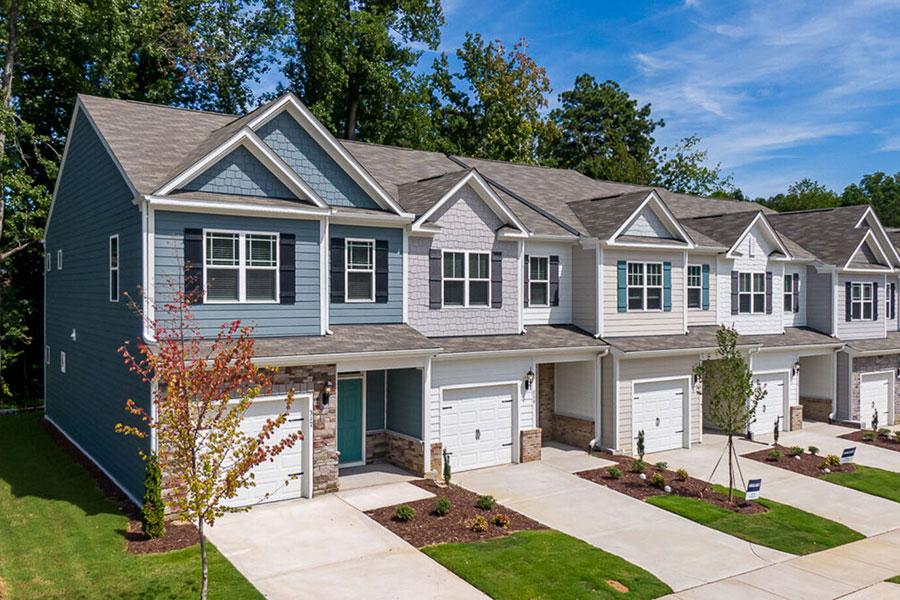
In recent years, the landscape of real estate has witnessed a remarkable change, with rental properties emerging as a hot commodity in many markets across the globe. This surge in demand has sparked discussions among investors, homeowners, and urban planners alike, raising questions about the underlying factors driving this trend. Is it the shift in lifestyle preferences spurred by the pandemic, the rising costs of homeownership, or a combination of various economic elements? In this article, we delve into the reasons behind the growing interest in rental properties, exploring how demographic shifts, financial considerations, and changing social norms are influencing this dynamic market. Whether you’re a seasoned investor or simply curious about the current real estate climate, join us as we unpack the intricacies of this phenomenon and its implications for the future of housing.
Table of Contents
- Identifying the Factors Behind the Increased Demand for Rental Properties
- Analyzing Demographic Shifts and Their Impact on Rental Markets
- exploring Economic Trends and Their Influence on Rental Property Investments
- Strategies for Landlords to Meet Growing Tenant expectations
- To Wrap It Up
Identifying the Factors Behind the Increased Demand for Rental Properties
The surge in demand for rental properties can be attributed to several interrelated factors that reflect the evolving circumstances in the housing market and lifestyle changes among potential renters. Economic shifts have played a critically important role, with many individuals opting for versatility over the long-term commitment of homeownership. The economic uncertainty brought on by various global events has prompted many to prioritize renting,allowing them to adapt to changing job opportunities and living situations without the burden of a mortgage. Additionally, the rise of remote work has enabled people to move away from traditionally expensive urban centers, leading to increased interest in rental properties in suburban and rural areas.
Moreover, a generational shift towards renting is becoming more pronounced, notably among millennials and Gen Z, who often value experiences, mobility, and access over ownership. These younger demographics are more inclined to spend on travel, education, and leisure, leaving less room in their budgets for traditional homebuying. Furthermore, the increased availability of rental options, ranging from luxury apartments to affordable housing, has made it easier for individuals and families to find suitable accommodations. The integration of technology in property management and leasing processes has also streamlined the rental experience, making it more appealing. To illustrate this trend, consider the following table summarizing key factors influencing rental demand:
| Factor | Impact on Rental Demand |
|---|---|
| Economic Uncertainty | Increased preference for renting over buying due to financial instability. |
| Remote Work Trends | Migration to less expensive areas boosts demand for rentals outside of urban centers. |
| Generational Preferences | Millennials and Gen Z favor flexible living arrangements and experiences over homeownership. |
| Technology advancements | Enhanced convenience in renting through digital platforms attracts more renters. |
Analyzing Demographic shifts and Their Impact on Rental Markets
The dynamics of rental markets are increasingly influenced by shifting demographic patterns. As millennials and Gen Z continue to enter adulthood, there is a noticeable transition in preferences regarding housing. Many younger individuals are prioritizing flexibility and experiences over homeownership, leading to an uptick in demand for rental properties in urban areas. moreover, factors such as economic uncertainty, the evolving job market, and lifestyle choices are contributing to this trend. The following factors are particularly noteworthy:
- Urbanization: A growing number of people are flocking to cities, seeking employment opportunities and lifestyle amenities.
- Remote Work: The rise of telecommuting allows many professionals to seek rental options outside traditional job hubs.
- Changing Family Structures: An increase in single-person households and non-traditional family units drive varied rental needs.
This surge in demand is significantly reshaping the rental landscape, often leading to increased competition and rental rates in sought-after areas. Property owners and investors must adapt to these changes by re-evaluating their offerings and strategies.To provide a clearer picture of this evolving landscape, consider the following table comparing demand trends in different demographics:
| Demographic Group | Preferred Rental Features | Projected Growth (%) |
|---|---|---|
| Millennials | Pet-kind, outdoor space, proximity to public transport | 15% |
| Gen Z | Affordable units, co-living spaces, smart home technology | 20% |
| Empty Nesters | Single-level living, community amenities, lower maintenance | 10% |
Exploring Economic Trends and their influence on rental Property Investments
The recent surge in rental property demand has been largely influenced by shifting economic trends that redefine the housing landscape. Urbanization continues to drive populations toward city centers, increasing the need for accessible housing options. Contributing factors such as a growing remote work culture have enabled a more flexible lifestyle, pushing individuals to seek rental accommodations that cater to their shifting professional and personal needs. As individuals prioritize proximity to employment hubs, amenities, and social activities, the local rental markets are witnessing increased inquiries and competition, leading to special interest among investors.
Moreover, rising home prices and fluctuating mortgage rates have made homeownership less attainable for many. Consequently,an increasing cohort of potential buyers is pivoting toward renting as a viable housing solution. This has added to a sense of urgency within the rental market, compelling landlords to adapt by enhancing their properties and providing value-added services. Key economic indicators highlight the following trends impacting rental properties:
| Trend | impact on Rental Market |
|---|---|
| Increase in Remote Work | Higher demand for flexible rental arrangements. |
| Rising Home Prices | More individuals opt to rent rather than buy. |
| Urban Migration | Increased rental prices in urban centers. |
strategies for Landlords to Meet Growing Tenant Expectations
As the demand for rental properties continues to grow, landlords must adapt to the ever-evolving expectations of their tenants. Creating a agreeable living surroundings is essential, and this can be achieved through various strategies.Landlords should consider investing in modernizing their properties, ensuring amenities are up-to-date and appealing. This could include:
- Upgrading kitchen appliances to energy-efficient models
- Enhancing internet connectivity with high-speed options
- Implementing smart home technology for convenience and security
Additionally, effective interaction and exceptional customer service can set landlords apart from competitors. Establishing a responsive maintenance system is key, as tenants appreciate timely resolutions to their issues. Landlords can implement:
- Online platforms for submitting maintenance requests
- Regular check-ins to gauge tenant satisfaction
- Organizing community events to foster a sense of belonging
| Tenant Expectations | Landlord Strategies |
|---|---|
| Modern Amenities | Invest in upgrades and appliances |
| Fast Maintenance | Offer an efficient online request system |
| Community Engagement | Host events to build relationships |
To Wrap It Up
As we conclude our exploration of the surge in demand for rental properties, it’s clear that this trend is more than just a fleeting phenomenon—it’s a significant shift in the landscape of real estate. with the factors influencing this demand, such as urbanization, changing lifestyle preferences, and economic dynamics, it’s evident that both renters and investors alike must be agile and informed to navigate this evolving market.
For potential renters, understanding these market dynamics can empower smarter choices when seeking a new home. meanwhile, property investors can leverage this knowledge to align their strategies with current trends, maximizing opportunities in an increasingly competitive environment.
as we move forward, keeping a pulse on these developments will be essential. Whether you’re a renter or a property owner, staying informed can make all the difference. Thank you for joining us in this analysis. we look forward to seeing how this vibrant rental market continues to unfold in the months and years to come. Be sure to subscribe to our blog for more insights on real estate trends and tips to help you thrive in today’s market!