

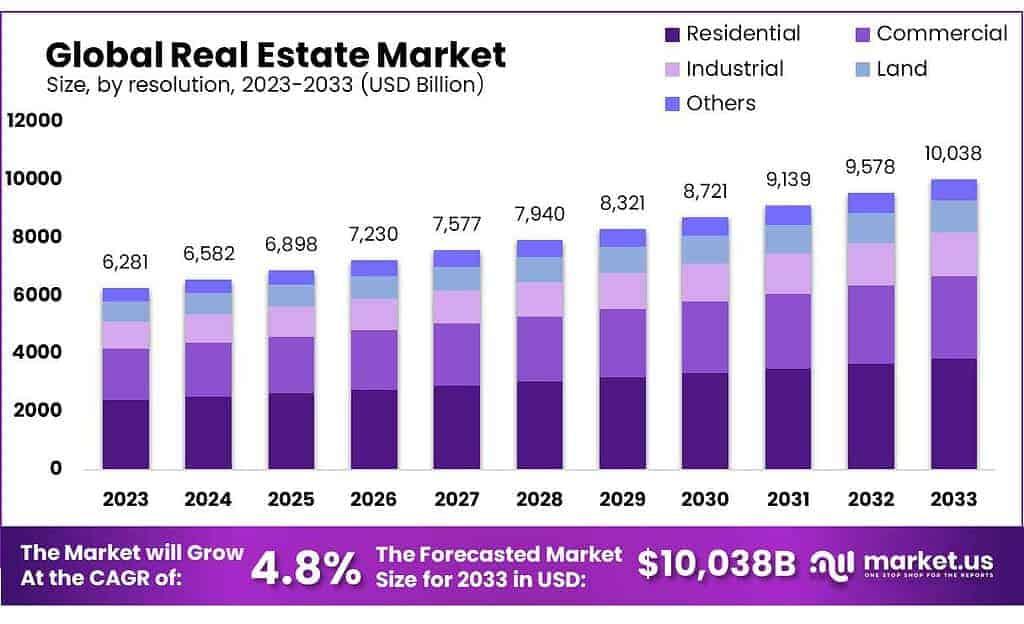
the U.S. real estate market stands at a crossroads as it navigates a complex landscape shaped by shifting economic conditions, demographic trends, and evolving consumer preferences.Major cities across the nation are witnessing distinct patterns, influenced by factors such as rising interest rates, remote work dynamics, and a growing emphasis on sustainability. In this article, we will explore current trends in the real estate markets of key urban areas, highlighting developments in residential and commercial sectors, investment hotspots, and the impact of goverment policies. As we delve into this multifaceted industry, understanding these trends is essential for investors, homeowners, and policymakers alike, who seek to stay informed and adapt to the ever-changing market conditions.
Table of contents
- Current Demand Dynamics Shaping Urban Real Estate Markets
- Investment Strategies for Navigating Market Volatility
- Emerging Neighborhoods Redefining affordability and Lifestyle
- Sustainability Initiatives Impacting future Developments in Major Cities
- Wrapping Up
Current Demand Dynamics Shaping Urban Real Estate Markets
The urban real estate landscape is currently experiencing shifts driven by both societal trends and economic factors. As remote work retains its foothold, demand for transitional living spaces—particularly those that offer proximity to urban amenities while providing a quieter, more spacious habitat—has surged. Millennials and Gen Z homebuyers are increasingly favoring properties that accommodate flexible living arrangements, leading to a spike in interest for multi-functional spaces. Additionally, cities with diverse employment opportunities are witnessing a notable uptick in relocations, as individuals prioritize access to a healthy job market and vibrant community life.
Moreover, sustainability is at the forefront of consumer preferences, shaping choices in new developments and renovations alike. Real estate investors are more inclined towards properties that incorporate green building practices,energy-efficient systems,and eco-amiable materials. The demand for smart home features—ranging from advanced security systems to energy management technologies—continues to grow as homeowners seek convenience and efficiency. To illustrate these trends, the table below highlights recent growth in urban real estate markets across major cities, showcasing average property price changes alongside notable features attracting buyers.
| City | Average Price Change (%) | Key Features Driving Demand |
|---|---|---|
| New York | 5.4 | Smart homes, proximity to parks |
| San Francisco | 7.2 | Flexible living,walkability |
| Chicago | 4.9 | Green certifications, public transport access |
| Austin | 6.3 | Community engagement, work-from-home spaces |
Investment Strategies for navigating Market Volatility
As we navigate the ever-shifting landscape of U.S. real estate, strategic investment becomes crucial in times of uncertainty. Investors are increasingly turning to diversification to shield their portfolios from volatility, seeking opportunities in various asset classes such as multi-family homes, commercial properties, and REITs (Real Estate Investment Trusts). By spreading investments across different sectors, investors can mitigate risks associated with market fluctuations.Additionally, opportunistic buying during downturns can lead to significant gains, particularly in markets showing signs of recovery. Investors are advised to focus on properties positioned in economically resilient regions, where employment growth and population influx can bolster demand.
another effective tactic is utilizing cash reserves to leverage property acquisitions, especially in competitive markets. Holding liquidity allows investors to quickly seize opportunities, particularly distressed assets or properties in emerging neighborhoods. It’s also essential to conduct thorough market research and analysis, paying close attention to local trends, price dynamics, and regulatory changes. Here are some key metrics investors should consider:
| City | Median Home Price | Yearly Recognition Rate | Market Type |
|---|---|---|---|
| New York | $1,200,000 | 3.1% | Stable |
| Los Angeles | $950,000 | 4.5% | Growing |
| Miami | $550,000 | 6.2% | Hot |
| Chicago | $350,000 | 2.8% | Stable |
By keeping a finger on the pulse of these indicators, investors can better position themselves to make informed decisions, ultimately helping them thrive in challenging environments.It’s essential to stay flexible and adaptable, as real estate markets can shift rapidly based on economic conditions, consumer behaviour, and policy changes, making active monitoring and strategic planning indispensable.
Emerging Neighborhoods Redefining Affordability and lifestyle
Across the United States, innovative neighborhoods are rising to prominence, offering a fresh take on affordability and lifestyle. Cities that were once marginalized are now becoming beacons of opportunity, providing a mix of urban conveniences and community-oriented amenities. These emerging areas often feature a variety of housing options, reflecting diverse designs and price points that challenge conventional norms. Prominent characteristics include:
- Revitalized Historic Districts: Communities that are reimagining older buildings to maintain their charm while providing modern living spaces.
- Access to Public Transport: Increased investments in transit options that connect residents to job centers and commercial hubs.
- Local Business Fortification: Support for small businesses thru favorable zoning laws and community partnerships that foster economic resilience.
These neighborhoods are magnetizing an eclectic mix of residents, from young professionals to families, leading to a dynamic cultural exchange that enriches the local lifestyle. As the demand for affordable living spaces rises, innovative housing solutions, including co-living arrangements and mixed-use developments, are becoming standard. the surge in interest is evident, as indicated by the following table showcasing the most attractive emerging neighborhoods in major cities:
| city | Neighborhood | Average Home Price | Monthly Rent (1-Bedroom) |
|---|---|---|---|
| Atlanta | Kirkwood | $350,000 | $1,500 |
| Los Angeles | Highland Park | $800,000 | $2,200 |
| Philadelphia | Fishtown | $400,000 | $1,800 |
| Detroit | Midtown | $250,000 | $1,200 |
Sustainability Initiatives Impacting Future Developments in Major Cities
Across major U.S. cities, sustainability initiatives are becoming a cornerstone for future urban development, influencing the direction of real estate markets. Cities like San francisco and New York are leading the charge by integrating green building practices and enduring zoning laws.These initiatives not only aim to reduce the carbon footprint but also attract eco-conscious investors and residents. As an example, cities are now mandating energy-efficient designs in new builds, pushing developers to incorporate features such as solar panels, rainwater harvesting systems, and reflective roofing materials. This shift is not just about compliance; it’s enhancing property values and making urban living more appealing.
In an effort to promote eco-friendly lifestyles, cities are also emphasizing the importance of public transit infrastructure. By investing in electric bus systems and bike-sharing programs, municipalities are making it easier for residents to choose sustainable travel options over traditional car use. Additionally, policies encouraging urban farming and green spaces contribute to the quality of life, making neighborhoods more desirable. The following table highlights major sustainability initiatives across select cities:
| City | Initiative | Impact |
|---|---|---|
| San Francisco | Zero Waste Program | Reduces landfill use and promotes recycling |
| New York | NYC coolroofs | Lowers energy costs and urban temperature |
| Los Angeles | green building Code | Standards for energy-efficient construction |
| Chicago | Green Roof Incentives | Enhances urban biodiversity and air quality |
Wrapping Up
the current trends in U.S. real estate markets across major cities reveal a dynamic landscape influenced by evolving economic conditions, demographic shifts, and changing consumer preferences. As urban centers continue to adapt to post-pandemic realities, the interplay between remote work versatility, affordability challenges, and sustainability initiatives plays a crucial role in shaping housing demand and development strategies.
Real estate professionals, investors, and policymakers must stay attuned to these trends to navigate the complexities of the market effectively. Whether it’s the resurgence of suburban living, the rising popularity of mixed-use developments, or the growing emphasis on eco-friendly construction, understanding these factors will be essential for making informed decisions in the ever-evolving real estate landscape.
As we move forward, it will be imperative to monitor these developments closely, as thay will inevitably influence the industry for years to come. whether you are looking to buy, sell, or invest, adapting to these current trends will be key in capitalizing on opportunities that arise in this vibrant sector.